
นักบินพาณิชย์ทุกคนจะได้รับอนุญาตให้บินได้ ทีละหนึ่งแบบ (Aircraft Type Rating) ยกเว้นในกรณีที่เครื่องบินรุ่นนั้น ๆ อยู่ใน ตระกูลเดียวกัน (Common Type Rating) หรือมีระบบที่คล้ายคลึงกันจนสามารถใช้ความรู้และทักษะร่วมกันได้
1. ทำไมนักบินไม่สามารถบินได้หลายแบบพร้อมกัน?
นักบินที่บิน Boeing 747-400 ไม่สามารถสลับไปบิน Airbus A380 ได้ทันที เพราะทั้งสองรุ่นใช้ระบบและหลักการทำงานที่แตกต่างกันโดยสิ้นเชิง แต่หากเป็น B747 กับ B777 หรือ A330 กับ A350 นักบินสามารถได้รับอนุญาตให้บินทั้งสองแบบได้ หากผ่านการฝึกอบรมและการสอบตามที่หน่วยงานกำกับดูแลกำหนด

2. Common Type Rating คืออะไร?
ผู้ผลิตเครื่องบินพยายามออกแบบ ห้องนักบิน (Cockpit Layout) ให้มีความใกล้เคียงกัน เช่น ตำแหน่งปุ่ม การทำงานของระบบ และตรรกะของการควบคุม เพื่อให้เกิดสิ่งที่เรียกว่า Common Type Rating หรือ Mixed Fleet Flying (MFF) ซึ่งทำให้นักบินกลุ่มเดียวกันสามารถบินได้หลายรุ่น
ตัวอย่าง:
- Boeing: B747-400, B777, B787
- Airbus: A320, A330, A340, A350, A380
แต่การอนุมัติต้องผ่านการตรวจสอบและรับรองจากหน่วยงานกำกับดูแล เช่น FAA (อเมริกา), EASA (ยุโรป) หรือ กพท. (ไทย) เสมอ
3. ทำไมสายการบินไม่นิยมให้บินหลายแบบ?
แม้กฎจะอนุญาต แต่ในทางปฏิบัติ สายการบินส่วนใหญ่มักเลือกให้นักบินบินเพียงแบบเดียว เนื่องจาก:
- ต้องฝึกและสอบบ่อยขึ้น (Training & Checking Burden)
- ต้องรักษาความต่อเนื่องการบินของแต่ละแบบ (License Recency)
- การคุ้นเคยกับระบบอาจลดลงหากต้องสลับไปมา
ดังนั้น หากมีนักบินเพียงพอ การจัดให้นักบินบินเครื่องแบบเดียวจะช่วยให้เกิดความชำนาญมากกว่า
4. ปัจจัยความปลอดภัยที่แท้จริง
แม้การเปลี่ยนแบบเครื่องบินจะเป็นเรื่องสำคัญ แต่ ความปลอดภัยของการบิน ไม่ได้ขึ้นอยู่กับว่าเครื่องบินใหม่หรือเก่าเพียงอย่างเดียว เครื่องบินเก่าก็มีการซ่อมบำรุงตามมาตรฐานสากล ขณะที่เครื่องบินใหม่อาจมีความน่าเชื่อถือสูงขึ้น แต่สิ่งที่สำคัญที่สุดคือ:
- Basic Flying Skills (ทักษะการบินพื้นฐาน)
- Aircraft Performance & Limitations
- Weight & Balance
- การจัดการเหตุผิดปกติ (Abnormal & Emergency Situations)
เพราะหากนักบินพึ่งพาระบบอัตโนมัติมากเกินไปโดยไม่เข้าใจหลักการบินจริง ๆ จะเกิดสิ่งที่เรียกว่า Automation Syndrome ซึ่งอาจทำให้ไม่รู้ทันเมื่อระบบทำงานผิดพลาด และนำไปสู่เหตุการณ์ร้ายแรงได้
✅ สรุป
การเปลี่ยนแบบเครื่องบิน (Type Transition) เป็นขั้นตอนที่ซับซ้อนและต้องอาศัยทั้งการฝึกอบรม การตรวจสอบ และการรับรองจากหน่วยงานกำกับดูแล แต่ไม่ว่าจะบินเครื่องรุ่นไหน สิ่งสำคัญที่สุดที่ทำให้เที่ยวบินปลอดภัยคือ นักบินที่มีความรู้ ความเข้าใจ และทักษะการตัดสินใจที่ถูกต้องในทุกสถานการณ์
Aircraft Type Transition for Commercial Pilots
Commercial pilots are certified to fly one aircraft type at a time (Type Rating). The exception is when two or more aircraft types belong to the same family or share a high degree of similarity in systems and cockpit design. In such cases, pilots may be authorized to fly multiple types, provided they undergo additional training and meet regulatory requirements.
1. Why can’t pilots fly multiple types simultaneously?
A pilot certified on the Boeing 747-400 cannot simply switch to the Airbus A380 because the systems, cockpit layout, and operating philosophy are entirely different.
However, a pilot qualified on the B747 may transition to the B777, or from the A330 to the A350, after completing supplementary training and obtaining approval from the aviation authority.
2. What is a Common Type Rating?
Aircraft manufacturers, such as Boeing and Airbus, design their cockpit layouts with a high level of commonality—similar switch positions, system logic, and operating procedures. This allows for Common Type Ratings or Mixed Fleet Flying (MFF), where the same group of pilots can operate multiple aircraft models.
Examples include:
- Boeing: B747-400, B777, B787
- Airbus: A320, A330, A340, A350, A380
Nevertheless, this requires regulatory approval from authorities such as the FAA, EASA, or CAAT (Thailand) to ensure safety standards are met.
3. Why do airlines rarely allow pilots to fly multiple types?
Although regulations permit it, most airlines prefer pilots to operate a single aircraft type. The reasons include:
- Additional training and checking requirements
- Maintaining license recency for each type
- Reduced familiarity when switching between aircraft
For these reasons, airlines often assign one type per pilot group to maintain maximum proficiency and operational safety.
หนังสือ A Pilot Books ในรูปแบบ eBook ที่ MebMarket
สร้างแรงบันดาลใจ…..เริ่มเมื่อไหร่


|
|
|
|

|
|
|
|

|
|
4. The real factor behind flight safety
While type transitions are important, flight safety does not depend solely on whether the aircraft is new or old. Older aircraft undergo strict maintenance schedules, while newer aircraft may offer greater reliability. Ultimately, the decisive factor is the pilot’s knowledge, skills, and judgment.
Key competencies include:
- Basic Flying Skills
- Aircraft Performance & Limitations
- Weight & Balance
- Handling Abnormal and Emergency Situations
Overreliance on automation can create what is known as the Automation Syndrome—when pilots fail to recognize system malfunctions because they trust automation blindly. This can lead to critical safety risks if not properly managed.
✅ Conclusion
Aircraft type transition is a structured process that involves training, checking, and regulatory approval. However, regardless of the aircraft model, the foundation of flight safety lies in the pilot’s knowledge, skills, and experience. Technology can support, but only well-prepared pilots can ensure that every flight reaches its destination safely.
-
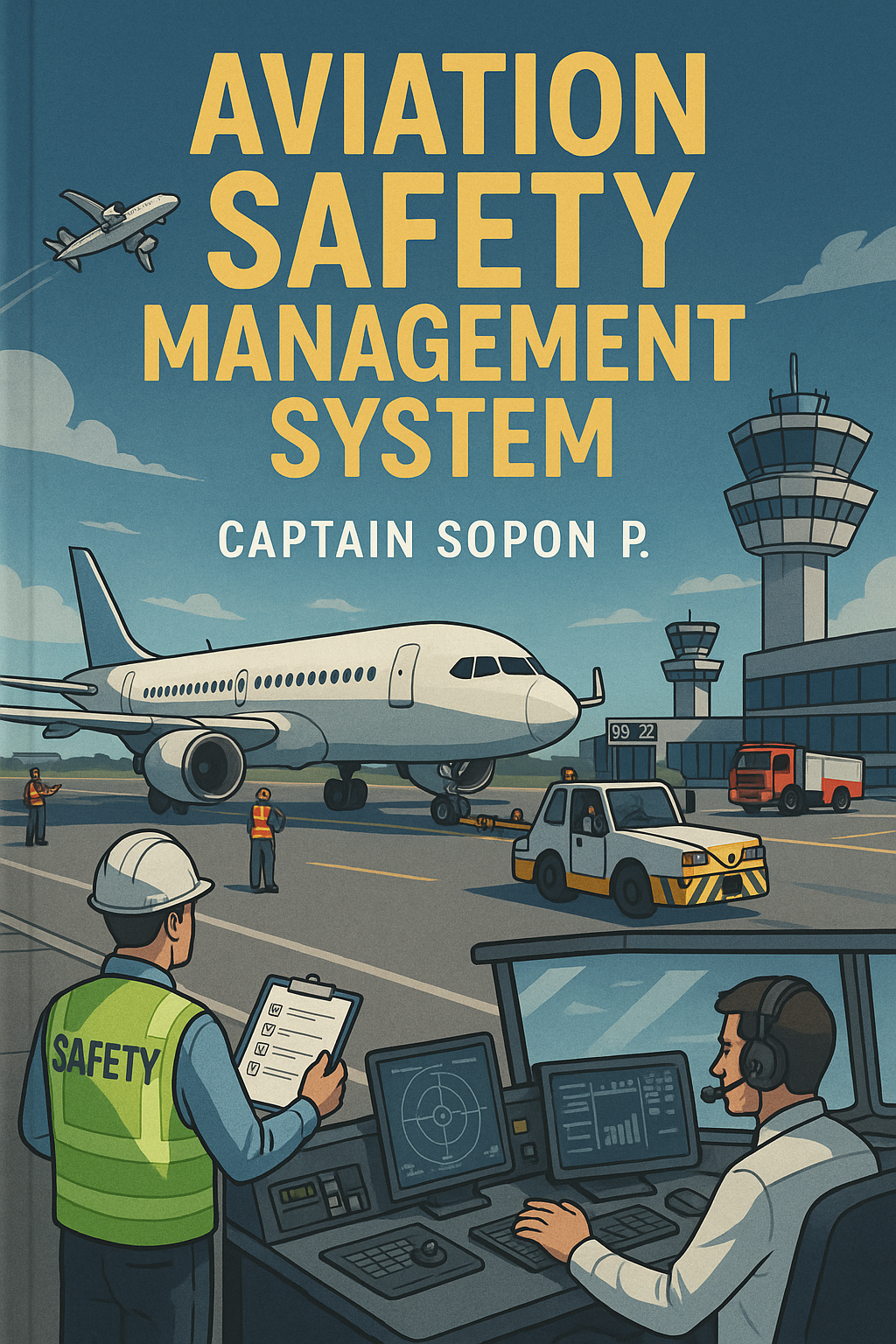
The Four Pillars of the Safety Management System
The Components of SMS (ENG Version Click Here)เสาหลักของระบบการจัดการด้านความปลอดภัย หัวใจสำคัญของ SMS คือแนวคิดที่ว่า “ความปลอดภัยไม่ใช่เรื่องของฝ่ายใดฝ่ายหนึ่ง แต่เป็นความรับผิดชอบของทั้งองค์กร” ดังนั้น SMS จึงไม่ได้เป็นเพียงข้อกำหนดด้านเอกสาร แต่เป็นวิธีคิด วิธีบริหาร และวิธีทำงานที่บูรณาการทุกภาคส่วนเข้าด้วยกัน ตั้งแต่ระดับนโยบายจนถึงระดับปฏิบัติการ เพื่อให้องค์กรสามารถดำเนินการ SMS ได้อย่างครบถ้วนและมีประสิทธิภาพ ICAO จึงแบ่งระบบออกเป็น 4 components ในหนังสือเล่มนี้จะเรียกว่า 4 เสาหลัก (4 Pillars) ซึ่งครอบคลุมทั้งด้านนโยบาย การวิเคราะห์ความเสี่ยง การติดตามความปลอดภัย และการสร้างวัฒนธรรมความปลอดภัยที่ยั่งยืน เสาหลักทั้งสี่นี้ทำหน้าที่เกื้อหนุนกันและกัน เปรียบเหมือนโครงสร้างพื้นฐานที่รองรับการบริหารความปลอดภัยขององค์กรให้มั่นคงและมีทิศทาง จากนี้เราจะเข้าสู่รายละเอียดของแต่ละเสาหลัก เพื่อทำความเข้าใจว่า ทำไมต้องมีเสานี้, หน้าที่ของมันคืออะไร, และ แต่ละองค์ประกอบทำให้ SMS ทำงานได้อย่างไร ซึ่งจะช่วยให้เห็นภาพรวมของระบบ และสามารถนำไปประยุกต์ใช้ในบริบทขององค์กรการบินได้อย่างมีประสิทธิผล Pillar ที่ 1. นโยบายและวัตถุประสงค์ด้านความปลอดภัย (Safety Policy &…
-
MCC คืออะไร? ทำไมนักบินแอร์ไลน์ทุกคนต้องผ่านการฝึกนี้
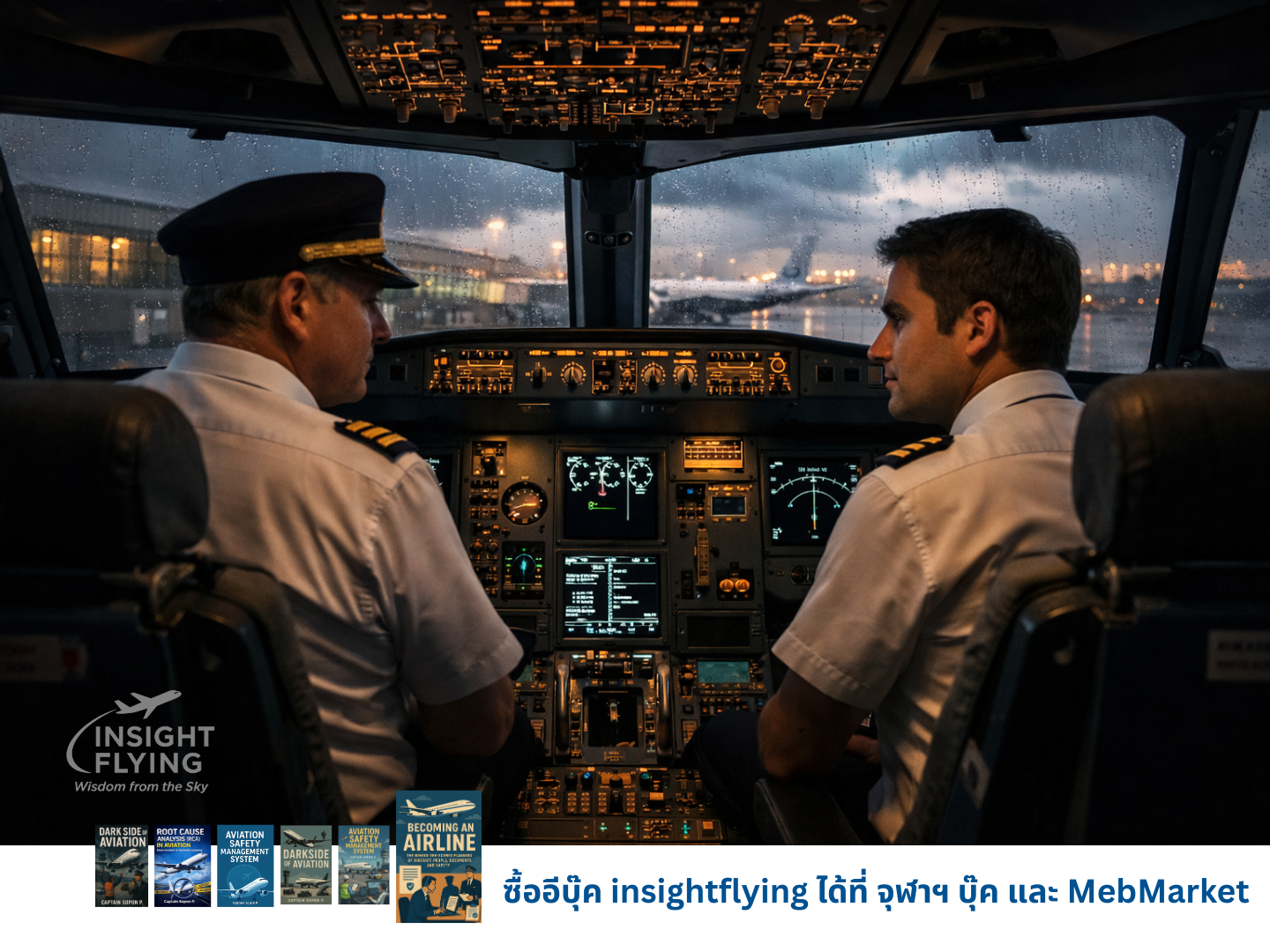
✈️ MCC คืออะไร? ทำไมนักบินแอร์ไลน์ทุกคนต้องผ่านการฝึกนี้ เมื่อเรานั่งเครื่องบินโดยสาร หลายคนอาจสังเกตว่าบนห้องนักบินมีนักบินอย่างน้อยสองคน ได้แก่ กัปตัน (Captain) และ นักบินผู้ช่วย (First Officer) แต่สิ่งที่ทำให้ทั้งสองคนสามารถทำงานร่วมกันได้อย่างมีประสิทธิภาพและปลอดภัยนั้น ไม่ได้เกิดขึ้นโดยบังเอิญ หากแต่เป็นผลมาจากการฝึกอบรมที่เรียกว่า Multi Crew Cooperation (MCC) 🧭 MCC คืออะไร? Multi Crew Cooperation (MCC) คือการฝึกอบรมที่มุ่งเน้นการทำงานร่วมกันของนักบินมากกว่าหนึ่งคนในห้องนักบิน โดยเน้นทักษะที่สำคัญ เช่น การฝึก MCC เป็นรากฐานสำคัญของแนวคิด Crew Resource Management (CRM) ซึ่งมีบทบาทสำคัญในการเพิ่มระดับความปลอดภัยของการบินพาณิชย์ทั่วโลก ❓ ทำไมนักบินแอร์ไลน์ต้องผ่าน MCC? 1. ✈️ การบินพาณิชย์เป็นการทำงานแบบ “ทีม” เครื่องบินโดยสารสมัยใหม่มีความซับซ้อนสูง การทำงานเพียงลำพังไม่เพียงพออีกต่อไป นักบินต้องทำงานเป็นทีมเพื่อให้การปฏิบัติการบินเป็นไปอย่างปลอดภัยและมีประสิทธิภาพ 2. 🛡️ เพิ่มระดับความปลอดภัย สถิติด้านความปลอดภัยของการบินแสดงให้เห็นว่า “ความผิดพลาดของมนุษย์” (Human Factors)…
-
Clear Air Turbulence
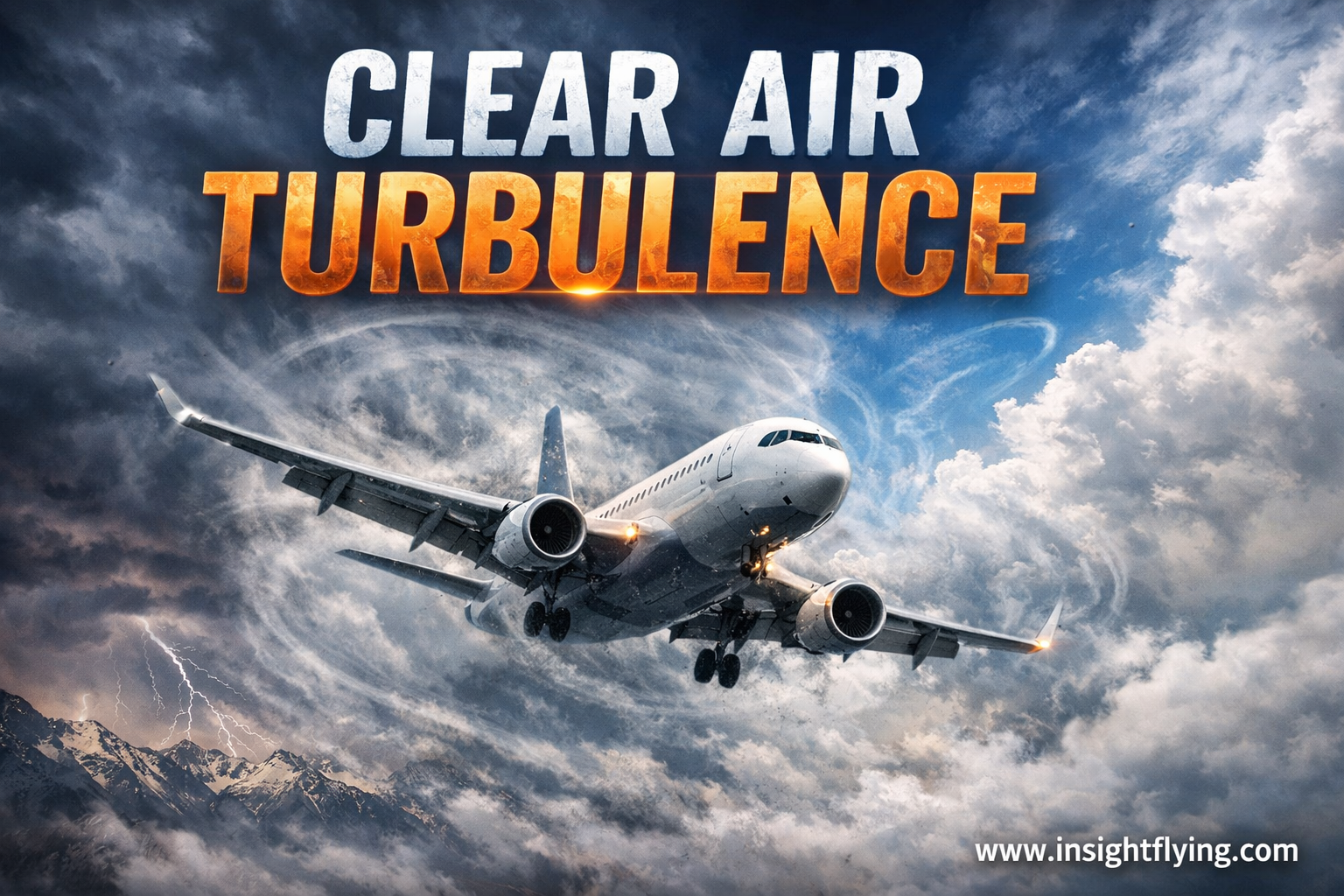
ทำไมผู้โดยสารจึงบาดเจ็บ ลองนึกภาพตามนะครับ ลองใส่เหรียญบาทในขวดแก้วใส ๆ จับวางนอนด้วยสองมือ เสร็จแล้วลองเขย่าครับ เหรียญบาทก็จะกระทบขวดแก้วเด้งไปมา ผู้โดยสารที่ไม่ได้รัดเข็มขัด มันก็คล้าย ๆ กับเหรียญบาทนั่นแหละครับ ทีนี้ลองใหม่ ถ้าเราติดกาวที่เหรียญบาทไว้ภายในขวด เขย่ายังไง เหรียญก็ไม่กระแทกขวดใช่ไหมครับ ขึ้นเครื่องบินเวลานั่งอยู่กับที่ ให้รัดเข็มขัดนิรภัยเสมอ โดยเฉพาะเวลานอนก็ต้องรัดเข็มขัดไว้ครับ ปลอดภัยกว่า กรณีของ Air Canada นั้นมีผู้บาดเจ็บถึง 37 คน และมีถึง 9 คนที่บาดเจ็บสาหัส https://apnews.com/49db2788d04d4e11bcbb1a63dbae4199 แต่ไม่ใช่ Air Canada ที่เคยเจอเหตุการณ์แบบนี้เป็นสายการบินแรก มีสายการบินอื่น ๆ ที่เคยประสบเหตุทำนองนี้มาแล้วหลายราย สายการบินแห่งชาติของเราเองก็เคยเจอหนัก ๆ เมื่อสมัยที่เครื่องบิน MD-11 ยังบินอยู่ ตอนนั้นกำลังลดระดับลงสนามบินไคตั้ก (สนามบินเก่า) ที่ฮ่องกง บาดเจ็บไปหลายสิบคนเหมือนกัน แต่ไม่ได้เป็นข่าวคึกโครมเหมือนสมัยนี้ เพราะ20 ปีที่แล้ว facebook, instagram, twitter ยังไม่เกิดและเทคโนโลยีการข่าวยังไม่มีประสิทธิภาพเท่าปัจจุบัน เรามาดูสถิติที่เคยเกิดเหตุทำนองนี้กัน -4 May…