
Effective Communication, The Art of Safety Skill (ไม่เกี่ยวกับดราม่า และผมไม่ได้ไล่อ่านข้อมูลสิ่งที่เกิดขึ้น ขอบอกว่าบทความนี้ต้องการสร้างความตระหนักให้กับคนที่เป็นนักบิน และอนาคตอยากเป็นนักบิน โดยเฉพาะคนที่เป็นนักบินแล้วอนาคตจะเป็นกัปตันควรทำความเข้าใจให้ลึกซึ้งครับ ขอร้องว่า ไม่เอาไปดราม่านะครับ ผมไม่ชอบกล่าวโทษหรือตำหนิใคร อยากให้บทความเป็นความบริสุทธิ์ใจที่เจตนาเผยแพร่ความรู้ ก่อนที่ผมจะตายจากโลกนี้ไป ผมเชียนบทความนี้ได้อย่างไม่ลังเล เพราะประสบการณ์กว่า 30 ปีในการบินที่ประสบเหตุการณ์มากมายในระหว่างเที่ยวบิน ศิลปะการให้ข้อมูลอย่างเหมาะสม ทำให้ทุกอย่างผ่านไปด้วยดีเสมอมา)
Effective Communication, The Art of Safety Skill
ในโลกของการบินพาณิชย์ หลายคนมักคิดว่าหน้าที่สำคัญที่สุดของนักบินคือ “การบังคับเครื่องบิน” แต่ในความเป็นจริงแล้ว อีกหนึ่งทักษะที่สำคัญไม่แพ้กัน และบางครั้งอาจสำคัญยิ่งกว่าในสถานการณ์วิกฤต คือ “การสื่อสาร” หรือ Effective Communication
นักบินอาจควบคุมเครื่องบินได้อย่างยอดเยี่ยม แต่หากไม่สามารถสื่อสารได้อย่างเหมาะสม สถานการณ์ที่ควบคุมได้ อาจกลายเป็นความตื่นตระหนก ความสับสน หรือแม้แต่การสูญเสียความเชื่อมั่นจากผู้โดยสารและทีมงานได้ในเวลาอันรวดเร็ว
การสื่อสารของนักบินพาณิชย์จึงไม่ใช่เพียงการ “พูดให้ข้อมูล” แต่เป็นศาสตร์ของการควบคุมสถานการณ์ผ่านถ้อยคำ น้ำเสียง จังหวะเวลา และการเลือกสิ่งที่จะพูด — รวมถึงสิ่งที่ “ไม่ควรพูด”
—
## นักบินไม่ได้สื่อสารกับแค่ผู้โดยสาร
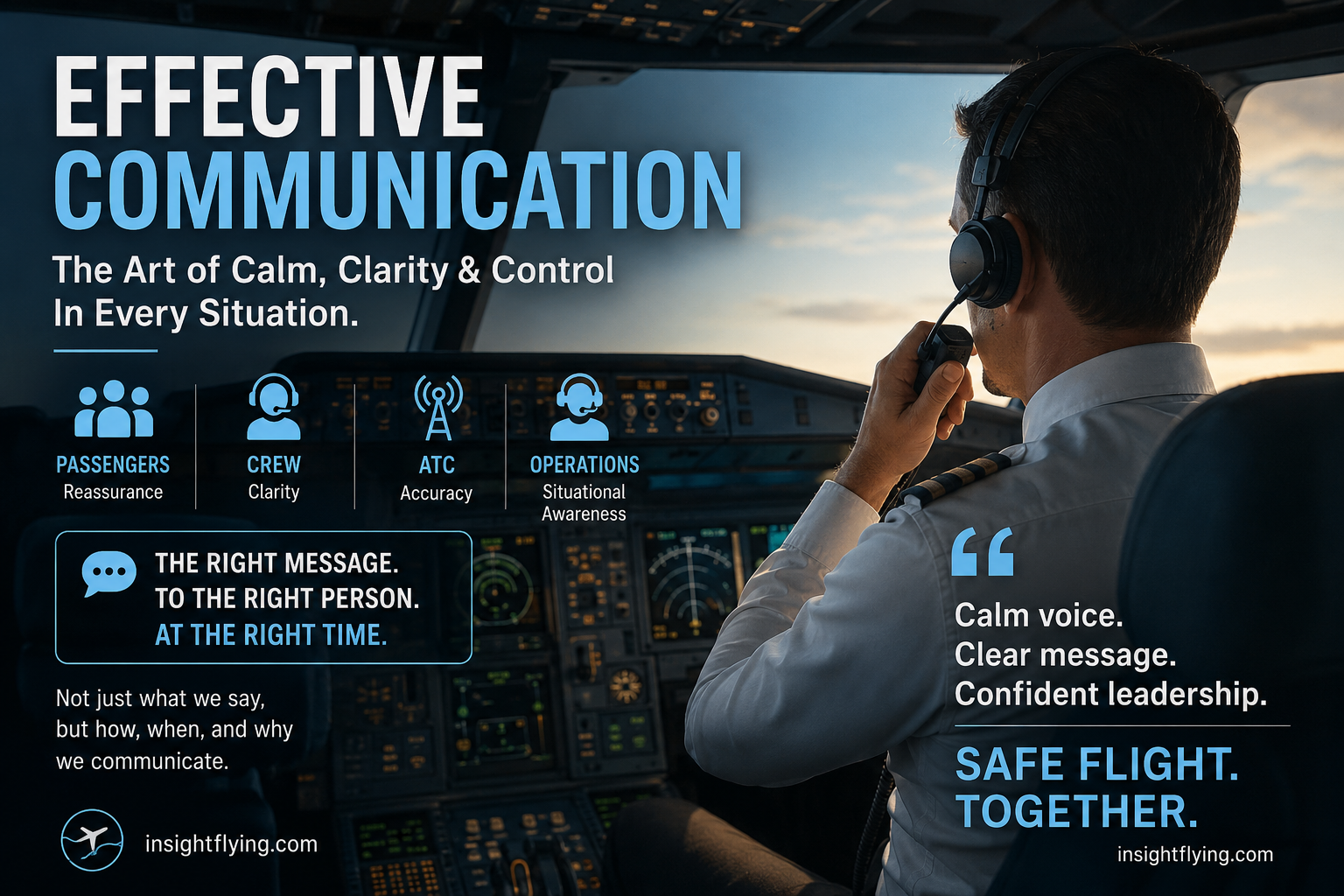
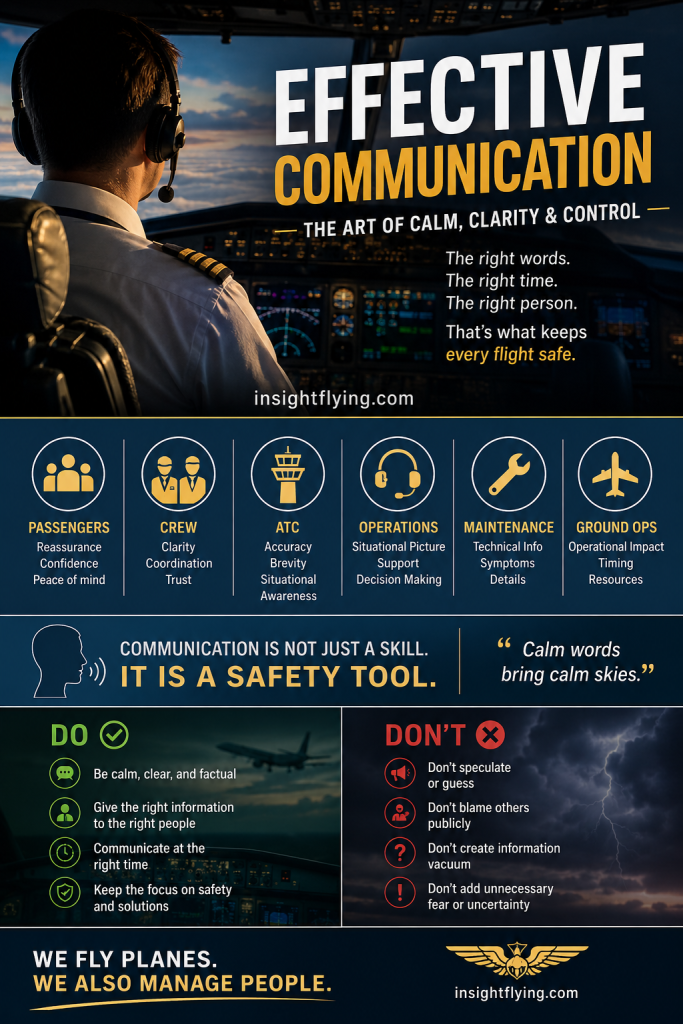
ในหนึ่งเที่ยวบิน นักบินต้องสื่อสารกับหลายฝ่ายพร้อมกัน และแต่ละฝ่ายต้องการ “ข้อมูลคนละแบบ”
เช่น
* ผู้โดยสาร ต้องการ “ความมั่นใจ”
* ลูกเรือ ต้องการ “ความชัดเจน”
* ATC ต้องการ “ข้อมูลที่แม่นยำและรวดเร็ว”
* Operations Control Center ต้องการ “ภาพรวมเพื่อสนับสนุนการตัดสินใจ”
* Maintenance ต้องการ “Technical Symptoms”
* Ground Operations ต้องการ “Operational Impact”
นี่คือเหตุผลว่าทำไม นักบินมืออาชีพต้องรู้ว่า
> “ใครควรได้รับข้อมูลอะไร และเมื่อใด”
การพูดทุกอย่างกับทุกคน ไม่ได้แปลว่าโปร่งใสเสมอไป
บางครั้งกลับสร้างความสับสน หรือทำให้สถานการณ์บานปลายโดยไม่จำเป็น
—
## การควบคุมความตื่นตระหนก เริ่มจากการควบคุมการสื่อสาร
ในสถานการณ์ผิดปกติ ผู้โดยสารมักไม่ได้กลัว “ปัญหา” เท่ากับกลัว “สิ่งที่ตัวเองไม่เข้าใจ”
เสียงสั่น
การประกาศที่รีบร้อน
คำพูดกำกวม
หรือการเงียบหายไปนานเกินไป
ทั้งหมดสามารถทำให้ความวิตกกังวลเพิ่มขึ้นได้อย่างรวดเร็ว
นักบินที่มีประสบการณ์จะเข้าใจว่า
การประกาศเพียงไม่กี่ประโยค สามารถควบคุมอารมณ์ของผู้โดยสารทั้งลำได้
ตัวอย่างเช่น
แทนที่จะพูดว่า
> “เครื่องมีปัญหาทางเทคนิค”
ซึ่งฟังดูรุนแรงและคลุมเครือ
นักบินอาจเลือกใช้ว่า
> “เราตรวจพบ indication บางอย่างที่ต้องการการตรวจสอบเพิ่มเติม เพื่อความปลอดภัย เราจะดำเนินการตามขั้นตอนมาตรฐาน”
เนื้อหาทั้งสองอาจหมายถึงเรื่องเดียวกัน
แต่ผลกระทบทางจิตวิทยาต่างกันอย่างสิ้นเชิง
—
## ความสงบของกัปตัน คือความสงบของทั้งเที่ยวบิน
ผู้โดยสารส่วนใหญ่ไม่สามารถประเมินสถานการณ์ทางเทคนิคได้
สิ่งที่พวกเขาประเมินคือ “น้ำเสียง” ของนักบิน
ถ้าน้ำเสียงมั่นคง
การสื่อสารชัดเจน
ไม่ตื่นตระหนก
ผู้โดยสารส่วนใหญ่จะรู้สึกว่า
> “สถานการณ์ยังอยู่ในการควบคุม”
นี่คือหนึ่งในเหตุผลที่ CRM (Crew Resource Management) ให้ความสำคัญกับ Communication Skills อย่างมาก
เพราะใน Cockpit จริง
นักบินไม่ได้ทำงานเพียงกับระบบเครื่องบิน
แต่กำลังบริหาร “มนุษย์” พร้อมกันหลายกลุ่มในเวลาเดียวกัน
—
## นักบินมืออาชีพ ไม่โยนความผิดผ่าน PA
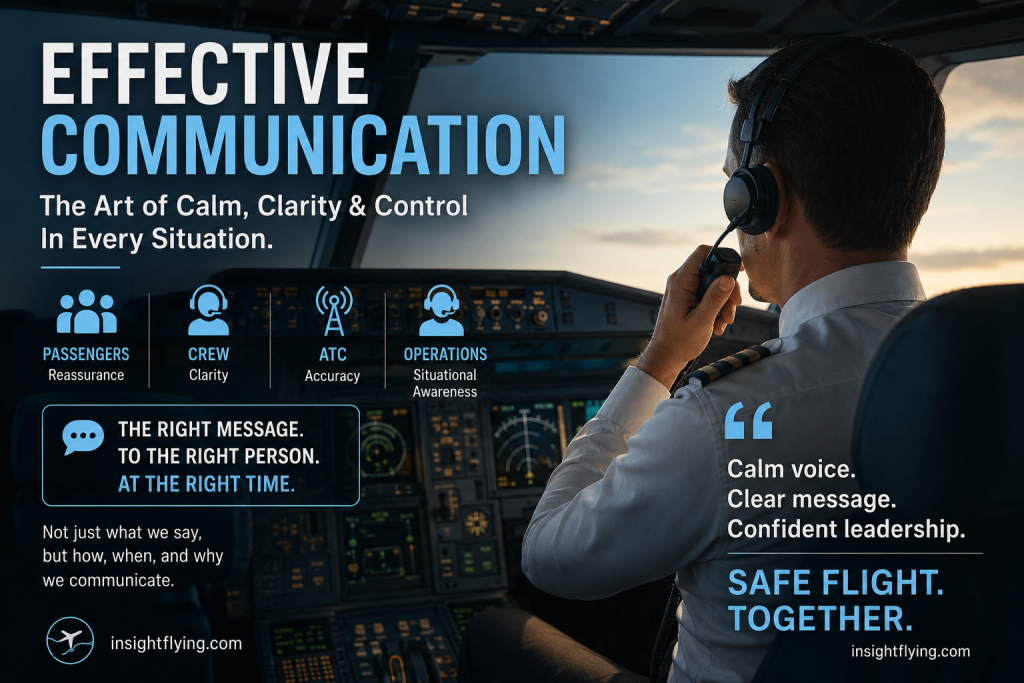
อีกประเด็นสำคัญที่สะท้อนความเป็นมืออาชีพ คือการหลีกเลี่ยงการกล่าวโทษบุคคลหรือหน่วยงานอื่นผ่านการประกาศสาธารณะ
เช่น
* โทษ ATC
* โทษช่าง
* โทษ Ground Handling
* โทษบริษัท
* โทษสภาพอากาศแบบประชดประชัน
* หรือแม้แต่ตำหนิลูกเรือผ่าน PA
แม้ว่าบางครั้งต้นเหตุอาจมาจากฝ่ายอื่นจริง
แต่นักบินมืออาชีพจะเข้าใจว่า
1. ผู้โดยสารไม่สามารถตรวจสอบข้อเท็จจริงได้
2. คู่กรณีไม่มีโอกาสตอบโต้
3. การกล่าวโทษไม่ได้ช่วยแก้ปัญหาเฉพาะหน้า
4. สิ่งเหล่านี้มักทำลายความเชื่อมั่นมากกว่าสร้างความเข้าใจ
หน้าที่ของกัปตัน คือ “บริหารสถานการณ์” ไม่ใช่ “ระบายอารมณ์”
—
## Information Management สำคัญพอ ๆ กับ Aircraft Management
ในหลายเหตุการณ์ ความผิดพลาดไม่ได้เกิดจากตัวเหตุการณ์เอง
แต่เกิดจาก “การจัดการข้อมูล”
เช่น
* ให้ข้อมูลเร็วเกินไป ทั้งที่ยังไม่ยืนยัน
* ให้รายละเอียดมากเกินจำเป็น
* พูดเชิงคาดเดา
* สื่อสารไม่ตรงกันระหว่าง Cockpit กับ Cabin Crew
* หรือปล่อยให้เกิด Information Vacuum
เมื่อไม่มีข้อมูล
มนุษย์จะเริ่ม “จินตนาการ”
และในยุค Social Media
ความตื่นตระหนกสามารถแพร่กระจายเร็วกว่าตัวเหตุการณ์จริงเสียอีก
—
## Effective Communication ไม่ใช่ Soft Skill แต่คือ Safety Skill
หลายคนมองว่าการสื่อสารเป็นเพียงบุคลิกภาพหรือทักษะเสริม
แต่ในความเป็นจริง สำหรับการบินพาณิชย์
Communication คือส่วนหนึ่งของ Safety Management
เพราะการสื่อสารที่ดีช่วยให้
* ลูกเรือทำงานประสานกัน
* ลด Human Error
* ลด Passenger Panic
* สนับสนุนการตัดสินใจ
* รักษาความเชื่อมั่น
* และช่วยควบคุม Operational Stability
นักบินที่เก่งจริง จึงไม่ใช่แค่คนที่บินเก่ง
แต่คือคนที่สามารถ “ควบคุมสถานการณ์” ได้ทั้งในเชิงเทคนิคและเชิงมนุษย์
—
## สุดท้ายแล้ว ผู้โดยสารอาจจำรายละเอียดทางเทคนิคไม่ได้
แต่พวกเขาจะจำได้ว่า
* กัปตันพูดอย่างไร
* น้ำเสียงเป็นอย่างไร
* ทำให้รู้สึกปลอดภัยหรือไม่
* และทำให้สถานการณ์สงบลงได้หรือเปล่า
ในวันที่ทุกอย่างปกติ
Communication อาจดูเป็นเรื่องเล็ก
แต่ในวันที่เกิดความผิดปกติ
คำพูดเพียงไม่กี่ประโยค อาจเป็นสิ่งที่กำหนดทั้งบรรยากาศของเที่ยวบิน
และนั่นคือเหตุผลที่
Effective Communication คือหนึ่งในศิลปะสำคัญที่สุดของการเป็นนักบินพาณิชย์มืออาชีพ
Effective Communication
The Art of Communication in Commercial Aviation
In commercial aviation, many people assume that a pilot’s most important responsibility is flying the aircraft. In reality, however, another skill is equally critical — and in some situations, even more important:
Effective Communication.
A pilot may be technically proficient and fully capable of handling the aircraft, but poor communication can quickly turn a manageable situation into confusion, panic, or a loss of confidence among passengers and crew.
Communication in airline operations is not merely about “providing information.”
It is the art of controlling situations through words, tone, timing, judgment, and the careful selection of what should — and should not — be said.
Pilots Do Not Communicate with Passengers Alone
During a single flight, pilots communicate with multiple parties simultaneously, and each group requires different types of information.
For example:
- Passengers need reassurance.
- Cabin crew need clarity and coordination.
- ATC requires accurate and concise operational information.
- Operations Control Center needs situational awareness for decision-making.
- Maintenance personnel need technical symptoms and system indications.
- Ground operations need operational impact information.
This is why professional pilots must understand:
“Who needs what information — and when.”
Providing every detail to everyone does not necessarily mean transparency.
In many cases, it creates confusion, misunderstanding, or unnecessary escalation.
Controlling Panic Begins with Controlling Communication
In abnormal situations, passengers are often not afraid of the actual problem itself.
They are afraid of what they do not understand.
A shaky voice.
A rushed announcement.
Vague wording.
Or prolonged silence.
All of these can rapidly increase anxiety inside the cabin.
Experienced pilots understand that just a few carefully chosen sentences can stabilize the emotional atmosphere of an entire aircraft.
For example, instead of saying:
“The aircraft has a technical problem.”
—which sounds alarming and undefined—
a professional pilot may say:
“We have identified an indication that requires further evaluation. As a precaution, we will be following our standard safety procedures.”
Both statements may describe the same event.
But psychologically, the impact is entirely different.
The Calmness of the Captain Becomes the Calmness of the Flight
Most passengers cannot assess technical situations.
What they assess is the captain’s composure.
If the voice is calm,
the communication is clear,
and the situation appears organized,
most passengers will naturally feel that:
“The situation is under control.”
This is one reason why CRM (Crew Resource Management) places such strong emphasis on communication skills.
Inside a cockpit, pilots are not only managing aircraft systems.
They are simultaneously managing people, emotions, coordination, and decision-making under pressure.
Professional Pilots Do Not Assign Blame Through Public Announcements
Another hallmark of professionalism is the ability to avoid blaming others through passenger announcements.
Examples include:
- Criticizing ATC
- Blaming maintenance personnel
- Complaining about ground handling
- Publicly criticizing the company
- Making sarcastic remarks about weather or delays
- Correcting or embarrassing cabin crew over the PA system
Even when another party may genuinely be involved, professional captains understand several important realities:
- Passengers cannot verify operational facts.
- The other party has no opportunity to respond.
- Blame does not solve the immediate situation.
- Public criticism often damages confidence more than it improves understanding.
The role of a captain is to manage the situation — not to vent frustration.
Information Management Is as Important as Aircraft Management
In many operational events, the real problem is not the event itself, but the management of information surrounding it.
Common communication mistakes include:
- Providing information before confirmation
- Giving excessive technical details
- Speculating instead of reporting facts
- Inconsistent communication between cockpit and cabin crew
- Creating an information vacuum through silence
When people receive no information, they begin to imagine possibilities on their own.
And in the age of social media, anxiety and misinformation can spread faster than the actual event itself.
Effective Communication Is Not a Soft Skill — It Is a Safety Skill
Communication is often categorized as a personality trait or a secondary ability.
In commercial aviation, however, communication is fundamentally a component of safety management.
Effective communication helps:
- Improve crew coordination
- Reduce human error
- Minimize passenger panic
- Support sound decision-making
- Maintain operational stability
- Preserve passenger confidence
A truly skilled pilot is therefore not only someone who can fly well technically, but someone who can manage the entire operational environment — both technically and psychologically.
In the End, Passengers May Forget the Technical Details
But they will remember:
- How the captain communicated
- The tone of voice they heard
- Whether they felt reassured
- And whether the situation appeared calm and controlled
On normal days, communication may seem ordinary.
But on difficult days, a few carefully chosen words can shape the atmosphere of an entire flight.
And that is why Effective Communication remains one of the most important arts of being a professional airline pilot.