
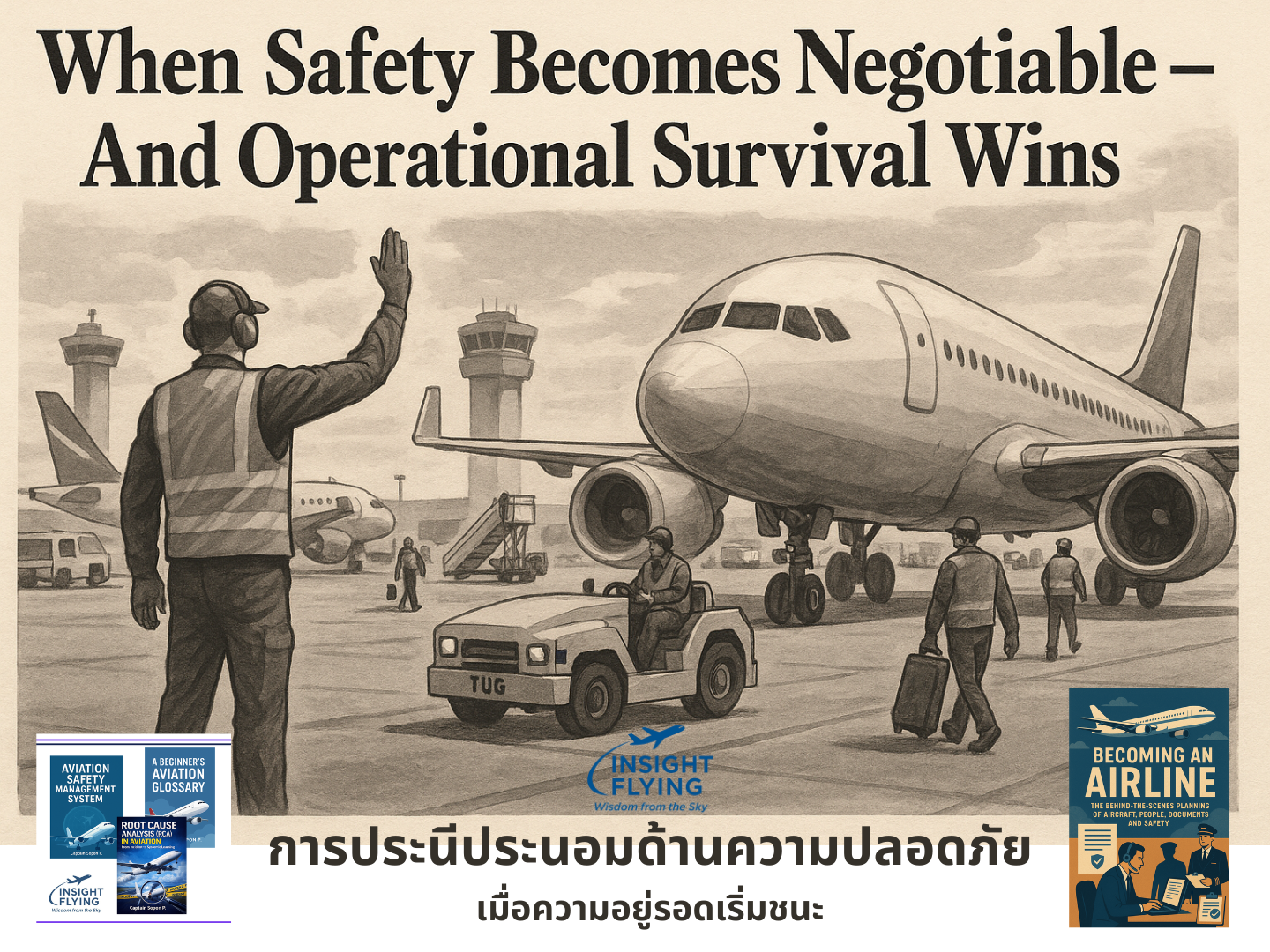
When Safety Becomes Negotiable — And Operational Survival Wins
เมื่อความอยู่รอดเริ่มชนะความถูกต้อง
by Captain Sopon Phikanesuan
Business email: admin@insightflying.com
Support this website

Read an ENGLISH version click here
ในตำราการบิน บทแรกมักเริ่มต้นด้วยประโยคคลาสสิกที่ว่า
“Safety is our first priority.”
ในห้องประชุมของสายการบินทุกแห่งประโยคนี้ถูกพูดซ้ำครั้งแล้วครั้งเล่า จนกลายเป็นคำประกาศที่ทุกองค์กรภาคภูมิใจ แต่ในความเป็นจริงของสนามบินยามเช้า ในศูนย์ควบคุมปฏิบัติการที่เต็มไปด้วยไฟลต์ดีเลย์ ในโรงซ่อมที่ช่างซ่อมต้องแข่งกับเวลา หรือในตารางบินที่แน่นจนเกินมนุษย์จะพักผ่อนได้เต็มที่… คำว่า “ความปลอดภัยมาก่อน” มักถูกแปลความหมายใหม่อย่างเงียบ ๆ
ในอุดมคติ ความปลอดภัยไม่ควรถูกต่อรอง
แต่ในโลกธุรกิจของการบิน ทุกสิ่งมีต้นทุน—เวลามีต้นทุน การดีเลย์มีต้นทุน การซ่อมมากเกินจำเป็นก็มีต้นทุน และที่สำคัญที่สุดคือ ความไว้วางใจของผู้โดยสารมีต้นทุนสูงจนสายการบินจำนวนมากเลือกวิธี “ทำให้ดูปลอดภัย” แทนการทำให้ “ปลอดภัยจริง”
และช่องว่างเล็ก ๆ นี้เองที่การประนีประนอมเริ่มก่อตัว
เมื่อการประนีประนอมเกิดแบบไม่ตั้งใจ
ความประนีประนอมด้านความปลอดภัยส่วนใหญ่ไม่ได้เกิดจากคนไม่ดี ไม่ได้เกิดจากคนอยากโกง หรืออยากข้ามกฎ แต่เกิดจากสภาพแวดล้อมที่บังคับให้คนต้อง “เลือกสิ่งที่พอรับได้” แทนที่จะเลือก “สิ่งที่ถูกต้องที่สุด”
ลองนึกภาพเหตุการณ์ง่าย ๆ ที่เกิดขึ้นทุกวันในอุตสาหกรรมนี้:
• เครื่องบินกลับมาช้า 45 นาที
ช่างมีเวลาตรวจจำกัด นักบินมีเวลาตรวจรอบลำเหลือไม่ถึง 10 นาที และไฟลต์ถัดไปมีผู้โดยสารรอ 180 คน
คำถามที่เกิดขึ้นในหัวทุกคนคือ “จะขอดีเลย์เพิ่มไหม?”
แต่คำตอบที่ได้กลับกลายเป็น “คงไม่เป็นไรหรอก”
• ระบบบางอย่างทำงานได้ แต่ “ไม่เต็มร้อย”
อยู่ในข่าย MEL ที่อนุญาตให้บินได้ แต่ความจริงคือระบบนั้นควรได้รับความสนใจมากกว่านี้
แต่หากซ่อมทันที เครื่องจะออกไม่ได้ทั้งวัน
อีกครั้ง คำตอบที่ชนะคือ “วันนี้ยังไหว”
• ลูกเรือเหนื่อยล้าอย่างเห็นได้ชัด
แต่รายงาน fatigue แล้วจะโดนเพ่งเล็ง
ผลลัพธ์คือการฝืนด้วยความหวังว่า “ไฟลต์นี้คงไม่มีอะไรเกิดขึ้น”
• โครงการฝึกอบรมถูกลดชั่วโมงลงเล็กน้อยเพราะงบจำกัด
ไม่มีใครอยากลด แต่ถ้าไม่ลด โครงการอื่นจะดำเนินไม่ได้
บางครั้ง “ความปลอดภัย” ก็ต้องแบ่งพื้นที่ให้ “ความอยู่รอด”
ไม่มีเหตุการณ์ไหนผิดชัดเจน
ไม่มีใครตั้งใจละเมิด
แต่การตัดสินใจเล็ก ๆ เหล่านี้รวมกัน
ค่อย ๆ กดมาตรฐานลงทีละมิลลิเมตร
เหมือนการปรับค่า safety margin ให้แคบลงโดยที่ไม่มีใครรู้ตัว
|
|
การประนีประนอมไม่ใช่จุดระเบิด แต่คือเชื้อเพลิง
อุตสาหกรรมการบินแทบทุกอุบัติเหตุใหญ่ในประวัติศาสตร์มีสิ่งหนึ่งเหมือนกัน:
มันไม่เคยเกิดจากความผิดพลาดเพียงจุดเดียว
แต่เกิดจากความผิดเล็ก ๆ หลายอย่าง
เกิดจากขั้นตอนที่ “อนุโลม” ค้างอยู่นานเกินไป
เกิดจากการไม่กล้าหยุดเครื่องบินเพราะต้นทุนมันแพง
เกิดจากความเหนื่อยล้าที่ไม่มีใครรายงาน
เกิดจากเอกสารที่ดูสวยงามแต่ไม่ได้สะท้อนชีวิตจริง
การประนีประนอมด้านความปลอดภัยจึงเปรียบเหมือนเชื้อเพลิง
มันไม่ทำให้เกิดอุบัติเหตุทันที แต่จะสะสมไปเรื่อย ๆ
จนถึงวันที่ความผิดพลาดหนึ่งครั้งมาเจอกับ
ความเหนื่อยล้าหนึ่งระดับ
มาตรฐานที่หย่อนลงเล็กน้อย
ระบบที่ไม่ได้ทวนสอบจริง
และการตัดสินใจที่ถูกเร่งด้วยความกดดันจากเวลา
ในวันนั้น แค่สกรูตัวหนึ่งหลวม ก็อาจไม่ใช่แค่สกรู
แต่เป็นจุดเริ่มต้นของห่วงโซ่เหตุการณ์ที่ไม่มีใครหยุดได้ทัน
สายการบินไม่ได้ตั้งใจประนีประนอม แต่ระบบบังคับให้ต้องเลือก
หลายคนเข้าใจผิดว่าองค์กรที่ประนีประนอมด้านความปลอดภัยคือองค์กรไม่ดี
ความจริงซับซ้อนกว่านั้นมาก
โลกธุรกิจของการบินเป็นสนามรบ
ราคาน้ำมันสูงขึ้นทุกปี
การแข่งขันตัดราคาทำให้กำไรต่ำกว่าที่คนส่วนใหญ่คิด
กฎระเบียบเพิ่มขึ้นเรื่อย ๆ แต่รายได้กลับเพิ่มไม่ทัน
ความคาดหวังของผู้โดยสารสูงขึ้น
แต่ความพร้อมของทรัพยากรกลับลดลง
เมื่อทุกอย่างรอบตัวกดทับ
ความปลอดภัยก็เริ่มถูกมองเป็น “ต้นทุน” แทนที่จะเป็น “การลงทุน”
และนั่นคือจุดที่องค์กรเริ่มเชื่อว่า
ถ้าลดความปลอดภัยลงนิดเดียว คงไม่เป็นไร
ถ้าฝืนไปสักครั้งหนึ่ง คงไม่เกิดอะไร
ถ้าไม่ซ่อมตอนนี้ คงยังบินได้อีกเที่ยวหนึ่ง
ทุกครั้งที่ความคิดแบบนี้เกิดขึ้นหนึ่งครั้ง
ความเสี่ยงก็เพิ่มขึ้นหนึ่งหน่วย
โดยที่ไม่มีใครเห็นค่าบนเครื่องชี้วัดใด ๆ
ด้านมืดของความปลอดภัยที่ถูกต่อรอง
มันไม่ได้เกิดขึ้นในโรงซ่อมที่มืดทึบ
ไม่ได้เกิดขึ้นในห้องประชุมลับ
ไม่ได้เกิดเพราะคนไม่ดี
แต่มันเกิดขึ้นในความตั้งใจดีของทุกคน
ที่ต้องทำงานให้ทันเวลา ตามทรัพยากรที่มีให้ใช้จริง
มันเกิดขึ้นเพราะคนอยาก “ช่วยองค์กร”
อยากให้ไฟลต์ “ออกตามเวลา”
อยากให้ผู้โดยสาร “ไม่ต้องรอ”
อยากให้ต้นทุน “ไม่พุ่งเกินไป”
และเพราะเหตุผลทั้งหมดนี้
ความปลอดภัยจึงเริ่มถูกเจรจาต่อรองทีละนิด
จนกลายเป็นความปกติใหม่โดยไม่รู้ตัว
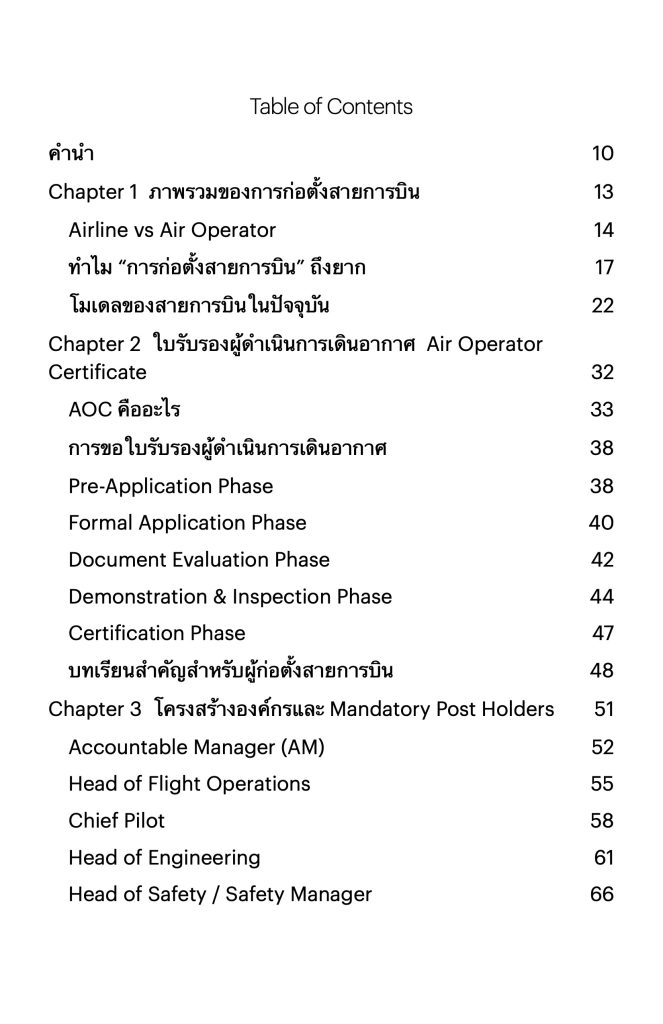
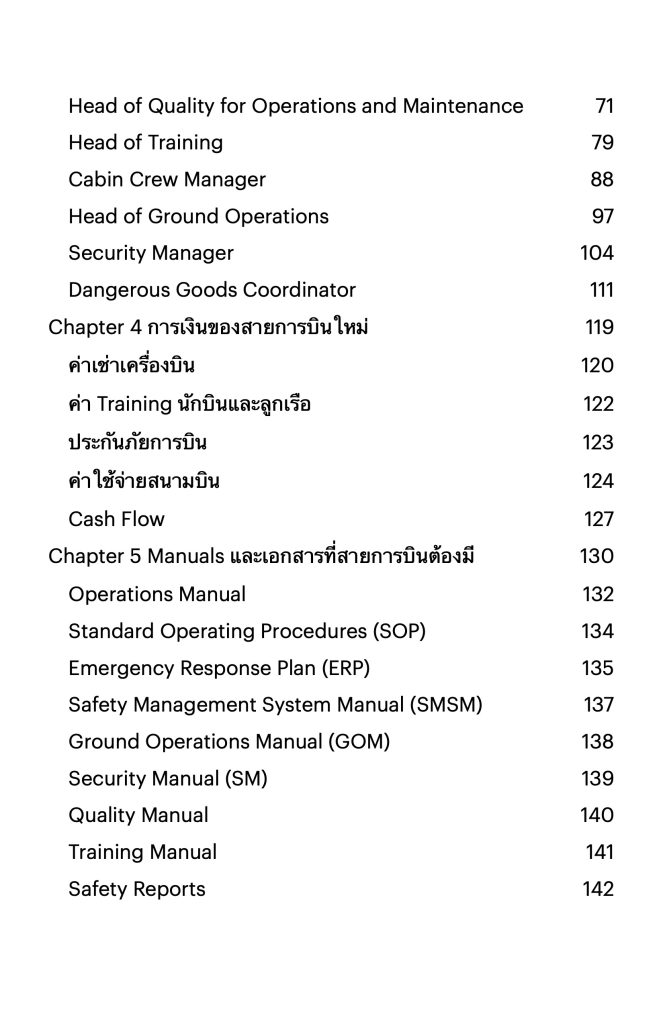
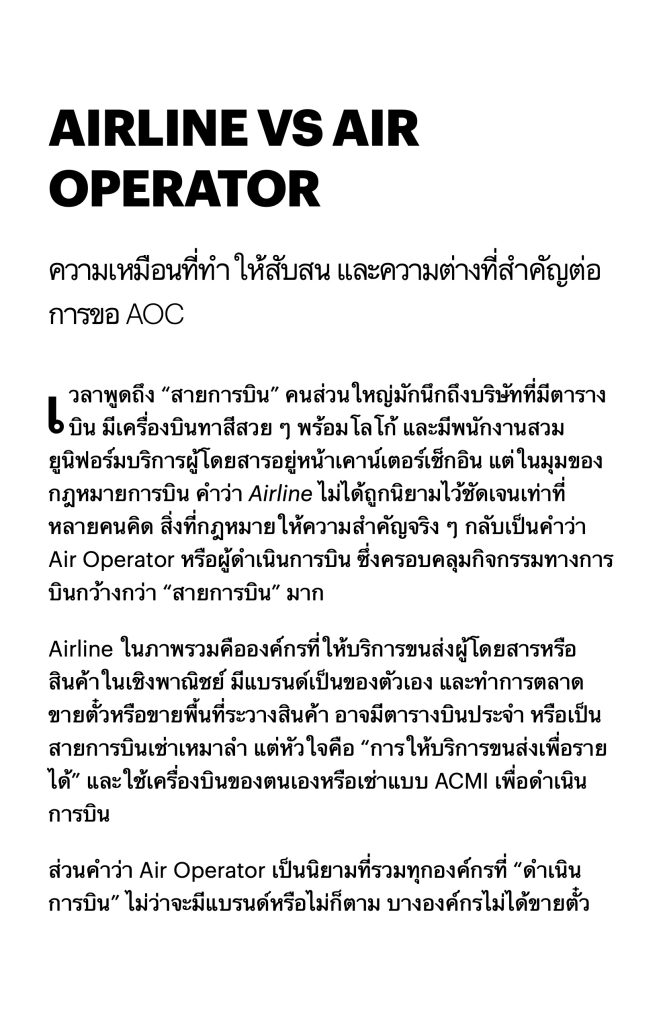
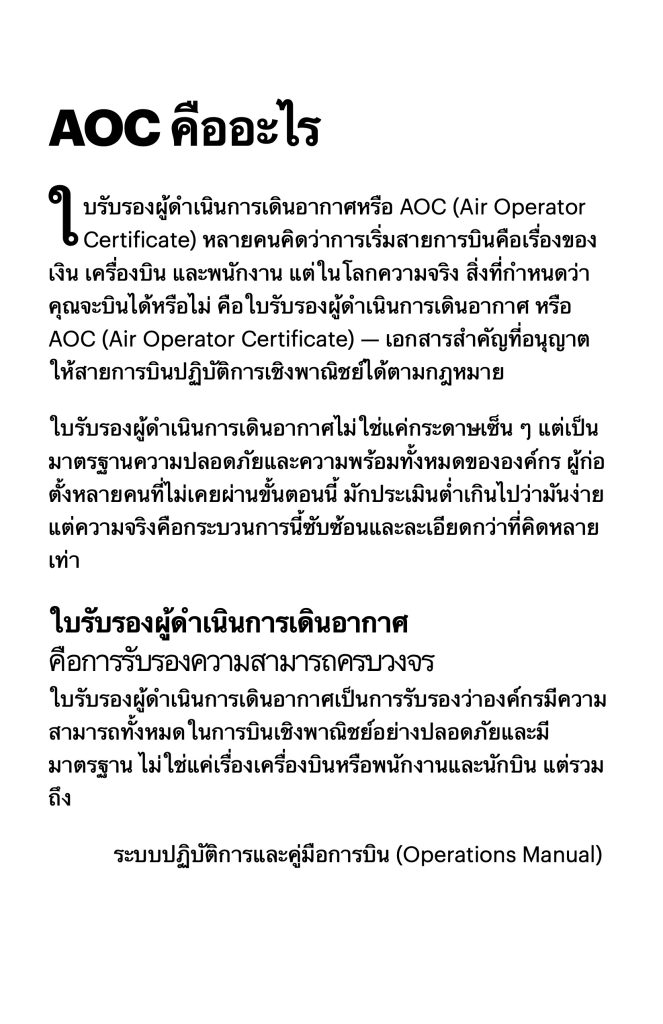
ซื้ออีบุ๊ค “Becoming an Airline” “กว่าจะเป็นสายการบิน” คลิ๊กที่นี่
|
|
ร่วมสนับสนุนเว็บไซต์
We need your support

|
|
|
|
|

|
|
ท้อปเปอร์รองนอน นุ่มสบาย ถูกชัวร์ โดย Shopee


A350 accident Airbus aircraft airline airmanship airworthiness aviation Aviation SMS become a captain become a pilot Boeing captain CAT cloud cloud type Crisis Crisis Management emergency engine fatigue flight safety go-around Indigo interview management OM pilot qualified pilot safety Safety Management System SMS student pilot technology training travel tips turbulence weather การจัดการความปลอดภัย การบิน การสอบสัมภาษณ์ ความปลอดภัย นักบิน สอบนักบิน เมฆ
When Safety Becomes Negotiable — And Operational Survival Wins
In every aviation textbook, the first chapter often begins with a classic line:
“Safety is our first priority.”
In every airline meeting room, this sentence is repeated over and over, until it becomes a statement every organization proudly displays. But in the reality of a busy morning at the airport, in operations centers overwhelmed by delays, in maintenance hangars where engineers race against the clock, or in flight schedules packed beyond what human rest can truly sustain… the phrase “safety first” is quietly reinterpreted.
In an ideal world, safety should never be negotiated.
But in commercial aviation, everything has a cost—time has a cost, delays have a cost, over-maintenance has a cost, and most importantly, passenger confidence carries a cost so high that many airlines choose to “appear safe” rather than to be truly safe.
And it is in this narrow gap that compromise begins to take shape.
When compromise happens unintentionally
Most safety compromises do not come from bad people.
They don’t arise from dishonesty or a desire to break rules.
They arise from environments that force people to choose “what is acceptable” instead of “what is unquestionably correct.”
Consider the everyday scenarios that unfold across the industry:
• An aircraft arrives 45 minutes late.
Maintenance has limited inspection time.
The pilots have less than ten minutes for a walk-around.
And 180 passengers are waiting for the next flight.
The question in everyone’s mind: “Should we ask for more delay?”
But the answer that prevails is: “It should be fine.”
• A system is functioning — but not perfectly.
It’s within the MEL, technically legal to fly.
But in reality, it deserves more attention.
Fixing it immediately would keep the aircraft grounded for the whole day.
Once again, the winning response is: “It’ll get through today.”
• A fatigued crew member clearly needs rest.
But reporting fatigue may invite unwanted scrutiny.
And so they push through, hoping “nothing will happen on this flight.”
• A training program quietly loses a few hours due to budget limits.
No one wants to cut it — but without the cut, another program cannot continue.
And suddenly “safety” must share its space with “financial survival.”
None of these decisions appear explicitly wrong.
No one intentionally violates rules.
But these small choices, accumulated over time, slowly press the standards downward — millimeter by millimeter — narrowing the safety margin without anyone noticing.
|
|
|
Compromise is rarely the spark — but it is always the fuel
Nearly every major aviation accident in history shares one truth:
It was never caused by a single mistake.
It was caused by a chain of small deviations.
By procedures that were “temporarily” relaxed for too long.
By aircraft that weren’t stopped because the cost of grounding was too high.
By fatigue that went unreported.
By documents that looked perfect but reflected nothing of real-world operations.
Safety compromise is like fuel.
It does not ignite the moment it appears.
It accumulates quietly, day after day—
until a single mistake meets a single layer of fatigue,
a slightly weakened standard,
a system that wasn’t verified properly,
and a decision taken under time pressure.
On that day, a single loose screw is no longer just a screw.
It becomes the first link in a chain no one can stop in time.
Airlines do not intend to compromise — but the system forces choices
It’s a misconception to assume that organizations who compromise on safety are “bad organizations.”
The truth is far more complicated.
The business landscape of aviation is a battlefield.
Fuel prices rise every year.
Competition drives fares lower than anyone imagines.
Regulations increase, but revenue does not keep pace.
Passenger expectations grow, while available resources shrink.
As the pressure builds from every direction,
safety begins to be viewed as a “cost” rather than an “investment.”
And that’s when organizations start to believe:
Reducing safety slightly may be acceptable.
Pushing just once may cause no harm.
Postponing a repair may be harmless for one more flight.
Each time such thinking occurs once,
risk increases by one unit —
even though no metric shows it,
no dashboard warns about it,
and no report highlights it.
The dark side of negotiated safety
It does not emerge in dim maintenance hangars.
It does not originate from secret meetings.
It is not driven by bad people.
It grows from the good intentions of those
trying to make things work on time,
with the limited resources they have.
It grows because people want to “help the company,”
to keep flights on schedule,
to prevent passengers from waiting,
to keep costs under control.
And because of all these well-meaning reasons,
safety begins to be negotiated,
bit by bit,
until compromise becomes the new normal — unnoticed.