Read ENGLISH version click here
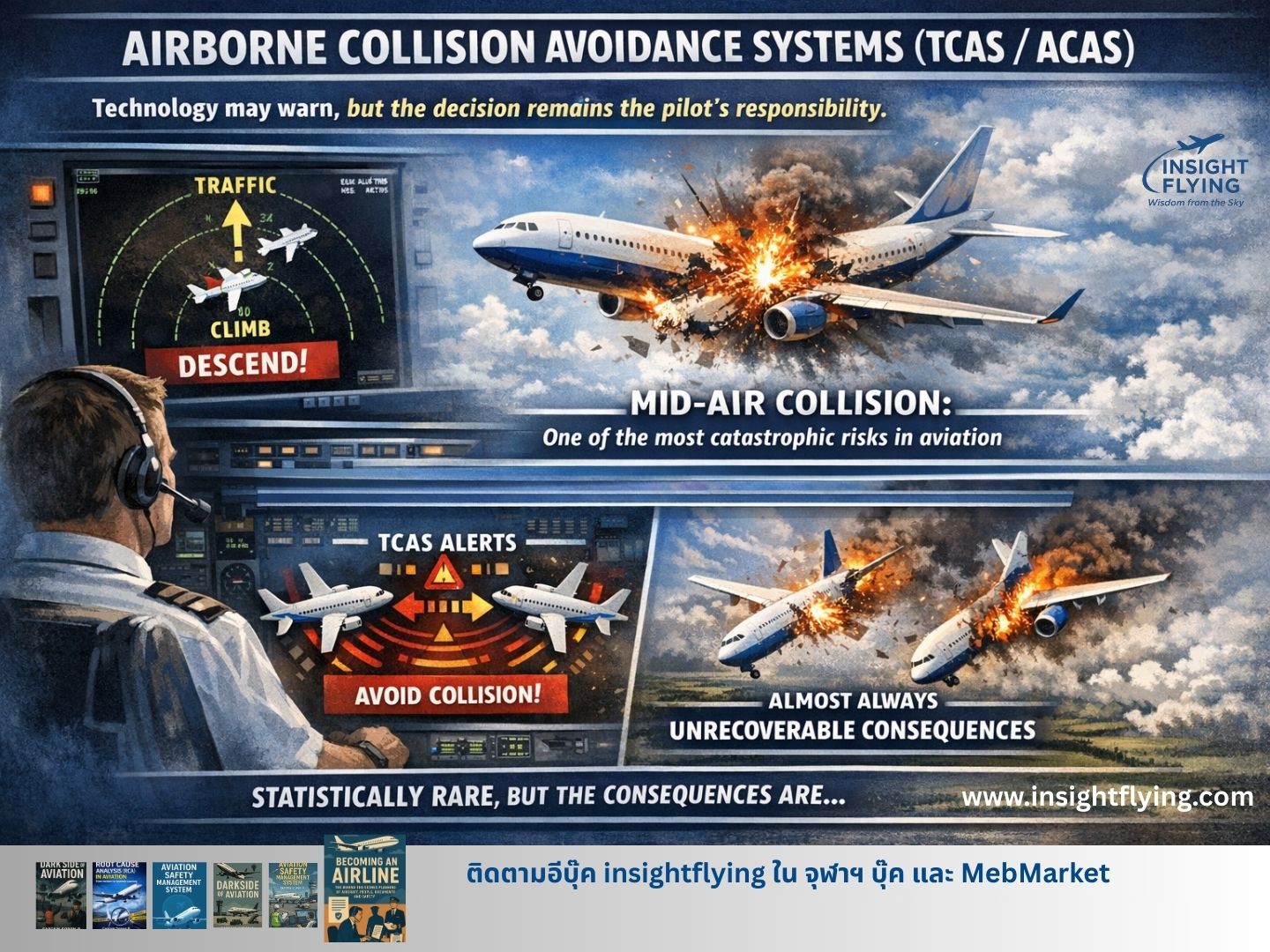
ระบบป้องกันการชนกันกลางอากาศ (TCAS / ACAS)
เทคโนโลยีอาจช่วยเตือน แต่การตัดสินใจยังคงเป็นหน้าที่ของนักบิน
บทนำ
การชนกันกลางอากาศ (Mid-Air Collision) เป็นหนึ่งในความเสี่ยงที่รุนแรงที่สุดในอุตสาหกรรมการบิน แม้โอกาสเกิดจะต่ำมาก แต่ผลลัพธ์แทบไม่มีโอกาสแก้ไข ระบบป้องกันการชนกันกลางอากาศจึงถูกพัฒนาขึ้นเพื่อเป็น “ด่านสุดท้าย” ระหว่างความผิดพลาดของมนุษย์ ความจำกัดของ ATC และความซับซ้อนของสภาพแวดล้อมการบิน
ระบบนั้นคือ TCAS / ACAS — ระบบที่นักบินทุกคนเคยได้ยินเสียงเตือน แต่ไม่ใช่ทุกคนจะเข้าใจปรัชญาและขีดจำกัดของมันอย่างแท้จริง
by Captain Sopon Phikanesuan
Business email: admin@insightflying.com
Support this website

1. แนวคิดของ ACAS: มาตรฐานระดับโลก
ACAS (Airborne Collision Avoidance System) เป็นคำที่ ICAO ใช้ในเชิงมาตรฐาน โดยถูกกำหนดไว้ใน ICAO Annex 10 และเอกสารสนับสนุนอื่น ๆ
จุดสำคัญของ ACAS คือ
- เป็น มาตรฐานขั้นต่ำ ที่รัฐภาคีต้องยึดถือ
- ไม่ได้ผูกกับผู้ผลิตรายใดรายหนึ่ง
- มุ่งเน้นผลลัพธ์ด้านความปลอดภัย ไม่ใช่เทคโนโลยีเฉพาะ
ICAO แบ่ง ACAS ออกเป็นระดับต่าง ๆ โดยระดับที่ใช้งานจริงในเครื่องบินพาณิชย์คือ ACAS II
2. TCAS: การนำมาตรฐานไปใช้งานจริง
TCAS (Traffic Collision Avoidance System) เป็นชื่อที่ใช้ในเชิงปฏิบัติการและเชิงเทคนิค พัฒนาและรับรองโดย FAA และถูกติดตั้งในเครื่องบินโดยสารเกือบทั้งหมดในปัจจุบัน
ความสัมพันธ์ที่นักบินควรเข้าใจคือ:
- ACAS = มาตรฐาน (What must be achieved)
- TCAS = ระบบ (How it is achieved)
- TCAS II = ACAS II ในทางปฏิบัติ
ด้วยเหตุนี้ คู่มือเครื่องบิน (AFM / FCOM) จะใช้คำว่า TCAS ขณะที่เอกสาร ICAO จะใช้คำว่า ACAS
3. ระดับของ ACAS / TCAS
3.1 ACAS I (TCAS I)
- ให้เฉพาะ Traffic Advisory (TA)
- ไม่มีคำสั่งหลบหลีก
- ใช้ในอากาศยานขนาดเล็กหรือ General Aviation
3.2 ACAS II (TCAS II)
- ให้ทั้ง TA และ Resolution Advisory (RA)
- เป็นมาตรฐานบังคับสำหรับเครื่องบินพาณิชย์
- เป็นระบบที่บทนี้กล่าวถึงเป็นหลัก
4. หลักการทำงานของ TCAS II
TCAS ไม่ใช้เรดาร์ภาคพื้น แต่ทำงานโดยการ:
- ส่งสัญญาณสอบถาม (interrogation)
- รับการตอบกลับจาก Transponder ของ aircraft อื่น
- คำนวณระยะทาง แนวโน้ม และเวลาเข้าใกล้ (Time to Closest Point of Approach)
ระบบจะประเมินความเสี่ยงแบบ predictive ไม่ใช่ reactive
5. Mode การทำงานของ TCAS
5.1 Standby
- ระบบเปิด แต่ไม่ทำการตรวจจับ
- ใช้ขณะจอดหรือก่อน taxi
5.2 TA Only Mode
- ให้เฉพาะ Traffic Advisory
- ไม่มีคำสั่งหลบหลีกแนวดิ่ง
การเตือน
- เสียง: “Traffic, Traffic”
- หน้าจอ: สีเหลือง (Amber)
บทบาทนักบิน
- เพิ่ม situational awareness
- มองหา traffic
- เตรียมพร้อมรับ RA
5.3 TA/RA Mode (Normal Operation)
5.3.1 Traffic Advisory (TA)
- แจ้งว่าสถานการณ์เริ่มเป็นภัยคุกคาม
- ไม่ต้องเปลี่ยนระดับบิน
5.3.2 Resolution Advisory (RA)
- ระบบคำนวณว่าการแยกระยะจะไม่เพียงพอ
- ออกคำสั่งหลบหลีก เฉพาะแนวดิ่ง
ตัวอย่าง RA
- “Climb”
- “Descend”
- “Maintain Vertical Speed”
- “Increase Climb”
- “Adjust Vertical Speed”
6. ลำดับความสำคัญ: RA vs ATC
หนึ่งในหลักการที่สำคัญที่สุดของ TCAS คือ
RA มีลำดับความสำคัญสูงกว่า ATC clearance
ICAO กำหนดชัดเจนว่า:
- เมื่อต้องปฏิบัติตาม RA นักบินต้องทำทันที
- หลังเหตุการณ์ ต้องแจ้ง ATC ว่า “TCAS RA”
หลักการนี้ไม่ใช่การลดบทบาท ATC แต่เป็นการยอมรับข้อจำกัดของมนุษย์และเวลาในการตอบสนอง
7. สิ่งที่ TCAS ไม่ได้ทำ
เพื่อป้องกันความเข้าใจผิด
- TCAS ไม่สั่งเลี้ยวซ้ายหรือขวา
- ไม่ใช้ข้อมูลจาก ATC radar
- ไม่ทำงานกับ aircraft ที่ไม่มี transponder
- ไม่ได้ถูกออกแบบให้แทน ATC
TCAS คือ safety net ไม่ใช่ primary separation tool
8. TCAS กับ Human Factors
TCAS เป็นตัวอย่างคลาสสิกของระบบที่ออกแบบโดยคำนึงถึง Human Factors
- คำสั่งสั้น ชัดเจน
- ใช้เสียงนำเพื่อลด visual workload
- จำกัดตัวเลือกเพื่อลด decision paralysis
อย่างไรก็ตาม ระบบจะมีประสิทธิภาพก็ต่อเมื่อนักบิน:
- เข้าใจตรรกะของระบบ
- ไม่ลังเลเมื่อต้องปฏิบัติตาม RA
- ฝึกซ้ำใน simulator อย่างจริงจัง
9. TCAS ในมุมมอง SMS และ TEM
ในบริบทของ Safety Management System (SMS)
- TCAS คือ mitigation ต่อ threat ระดับสูง
- เป็น barrier สุดท้ายก่อนเกิด catastrophic outcome
ในมุม Threat & Error Management (TEM)
- Traffic conflict = Threat
- Misinterpretation of RA = Error
- Correct RA compliance = Recovery
10. Case Study: เมื่อระบบทำงานถูก แต่คนลังเล
หัวข้อนี้ไม่ได้มีไว้เพื่อย้อนรำลึกถึงโศกนาฏกรรม แต่เพื่อถอดบทเรียนเชิงระบบและการตัดสินใจ ภายใต้เวลาที่มีค่าเป็นวินาที
Case Study 1: Überlingen Mid-Air Collision (2002)
บริบทโดยย่อ
- เครื่องบินพาณิชย์สองลำเข้าใกล้กันในเวลากลางคืน
- ระบบ TCAS II ของทั้งสองลำทำงานและออก Resolution Advisory (RA) ที่ “สอดคล้องกัน” (complementary RA)
- ATC ภาคพื้นมีข้อจำกัดด้านภาระงานและสถานการณ์รับรู้
สิ่งที่เกิดขึ้นในเชิงการตัดสินใจ
- TCAS ออก RA อย่างถูกต้องและทันเวลา
- ATC ให้คำสั่งที่ขัดแย้งกับ RA
- นักบินฝ่ายหนึ่งลังเลและเลือกทำตาม ATC แทน RA
บทเรียนหลัก
- ระบบทำงานถูกต้อง แต่ ลำดับความสำคัญในการตัดสินใจ ถูกตีความผิด
- ความเคยชินในการเชื่อ ATC มากกว่าระบบ onboard ทำให้เกิด hesitation
- วินาทีแห่งความลังเล มีผลมากกว่าความรู้เชิงเทคนิค
Key Takeaway
TCAS ไม่ล้มเหลว การสื่อสารเรื่อง “RA มีลำดับสูงกว่า ATC” ต่างหากที่ล้มเหลว
Case Study 2: Japan Airlines Near Mid-Air Collision (2001)
บริบทโดยย่อ
- เครื่องบินโดยสารสองลำเข้าใกล้กันในน่านฟ้าญี่ปุ่น
- TCAS ออก RA ให้ทำการหลบหลีกแนวดิ่ง
- ATC ให้คำสั่งที่ไม่สอดคล้องกับ RA
สิ่งที่เกิดขึ้นในเชิงการตัดสินใจ
- นักบินเลือกปฏิบัติตาม ATC clearance
- การหลบหลีกตาม RA ไม่ได้ถูกดำเนินการอย่างเต็มที่
- เหตุการณ์จบลงโดยไม่มีการชน แต่เกิดการบาดเจ็บในห้องโดยสาร
บทเรียนหลัก
- แม้ไม่เกิดการชน ผลกระทบจากการลังเลยังคงรุนแรง
- Crew Resource Management (CRM) มีบทบาทสำคัญในการยืนยัน RA
Key Takeaway
การ “ไม่ทำตาม RA” ไม่จำเป็นต้องจบด้วยการชน ก็อาจจบด้วยอุบัติเหตุได้
Case Study 3: ตัวอย่างการปฏิบัติตาม RA อย่างถูกต้อง (Anonymized)
บริบทโดยย่อ
- เครื่องบินสองลำใน controlled airspace เกิด traffic conflict จากความคลาดเคลื่อนด้านเวลา
- TCAS ออก TA ตามด้วย RA ให้เปลี่ยน vertical speed
สิ่งที่เกิดขึ้นในเชิงการตัดสินใจ
- นักบินปฏิบัติตาม RA ทันที โดยไม่รอการยืนยันจาก ATC
- แจ้ง ATC หลังเริ่ม maneuver ว่า “TCAS RA”
- การแยกระยะกลับมาอยู่ในเกณฑ์ปลอดภัยภายในไม่กี่วินาที
บทเรียนหลัก
- ไม่มี hesitation
- ไม่มี debate ใน cockpit
- ระบบและมนุษย์ทำงานสอดคล้องกัน
Key Takeaway
TCAS จะมีคุณค่า ก็ต่อเมื่อนักบิน “เชื่อและใช้มันทันที”
บทสรุป
TCAS / ACAS ไม่ได้มีไว้เพื่อแทนที่นักบินหรือ ATC แต่มีไว้เพื่อชดเชยข้อจำกัดของทั้งสอง ระบบนี้ช่วยชีวิตมาแล้วนับไม่ถ้วน แต่ก็ยังต้องการ “ความเข้าใจและความกล้าในการตัดสินใจ” จากนักบิน
ในวินาทีที่เสียง RA ดังขึ้น
ไม่มีเวลาให้ลังเล
ไม่มีพื้นที่ให้ถกเถียง
มีเพียงหน้าที่เดียว — บินให้รอด

|
|
หนังสือการบิน ทางลัดสู่ความเข้าใจที่นำไปใช้งานจริง
|
|

|
|


|
|
|
|
|
|
A350 accident Airbus aircraft airline airmanship Air Traffic Control airworthiness ATC aviation Aviation SMS B787 become a captain become a pilot Boeing captain CAT Crisis Crisis Management emergency engine fatigue flight safety go-around Indigo interview management pilot qualified pilot safety Safety Management System SMS student pilot swiss cheese technology training travel tips turbulence weather การจัดการความปลอดภัย การบิน การสอบสัมภาษณ์ ความปลอดภัย นักบิน สอบนักบิน
ขายดีที่สุด
|
|
|

TCAS / ACAS What is the different?
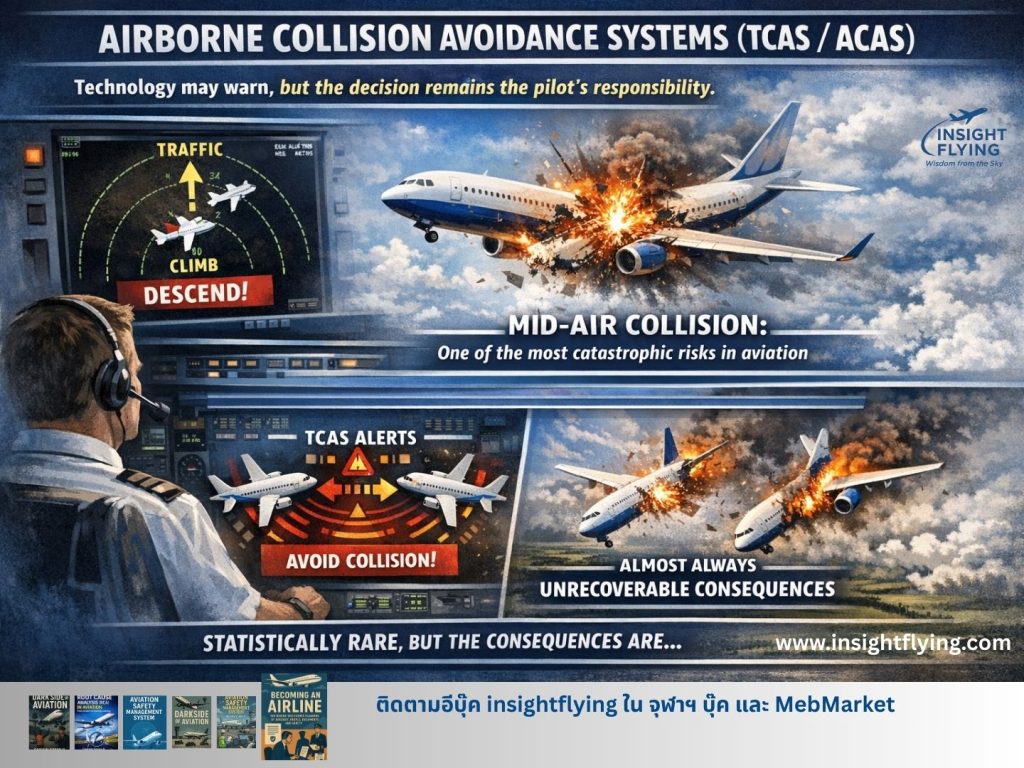
Airborne Collision Avoidance Systems (TCAS / ACAS)
Technology may warn, but the decision remains the pilot’s responsibility.
Introduction
Mid-air collision represents one of the most catastrophic risks in aviation. While statistically rare, the consequences are almost always unrecoverable. For this reason, modern aviation does not rely solely on Air Traffic Control (ATC) to maintain separation. Instead, an independent, airborne safety net was created to compensate for human limitations, system complexity, and time-critical decision-making.
That safety net is TCAS / ACAS.
Every airline pilot has heard the alert. Far fewer truly understand the philosophy, logic, and limitations behind it.
1. ACAS: The ICAO Standard
ACAS (Airborne Collision Avoidance System) is the terminology used by ICAO to describe the global standard for airborne collision avoidance. It is defined primarily in ICAO Annex 10 and supporting ICAO documentation.
Key characteristics of ACAS:
- It defines minimum safety performance requirements.
- It is independent of manufacturers and specific technologies.
- It focuses on safety outcomes rather than implementation details.
ICAO defines several ACAS levels, of which ACAS II is the standard mandated for commercial air transport operations.
2. TCAS: Operational Implementation
TCAS (Traffic Collision Avoidance System) is the operational and technical implementation of the ACAS standard. Developed and certified initially by the FAA, TCAS is installed on virtually all modern commercial transport aircraft.
The relationship is straightforward:
- ACAS defines what must be achieved.
- TCAS defines how it is achieved.
- TCAS II = ACAS II in operational reality.
As a result, aircraft manuals (AFM, FCOM) typically use the term TCAS, while ICAO documentation uses ACAS.
3. Levels of ACAS / TCAS
3.1 ACAS I (TCAS I)
- Provides Traffic Advisories (TA) only.
- No resolution or avoidance commands are issued.
- Commonly installed on general aviation or smaller aircraft.
3.2 ACAS II (TCAS II)
- Provides both Traffic Advisories (TA) and Resolution Advisories (RA).
- Mandatory for commercial air transport aircraft.
- This chapter focuses primarily on ACAS II operations.
4. TCAS II Operating Principles
TCAS does not rely on ground-based radar. Instead, it operates independently by:
- Interrogating transponders of nearby aircraft.
- Receiving replies containing altitude and identity data.
- Predicting future conflict based on closure rate and time to closest point of approach (CPA).
TCAS is therefore a predictive system, not a reactive one.
5. TCAS Operating Modes
5.1 Standby Mode
- System powered but not actively interrogating or displaying traffic.
- Typically used while parked or prior to taxi.
5.2 TA-Only Mode
- Provides Traffic Advisories without resolution commands.
Indications
- Aural alert: “Traffic, Traffic”
- Traffic displayed in amber on the navigation display
Pilot Responsibility
- Increase situational awareness.
- Visually acquire traffic if possible.
- Prepare for potential RA.
5.3 TA/RA Mode (Normal Operation)
5.3.1 Traffic Advisory (TA)
- Indicates that a potential conflict is developing.
- No immediate flight path change is required.
5.3.2 Resolution Advisory (RA)
- Issued when predicted separation will be insufficient.
- Commands vertical maneuvers only.
Typical RA Commands
- “Climb”
- “Descend”
- “Maintain Vertical Speed”
- “Increase Climb”
- “Adjust Vertical Speed”
6. Priority: RA versus ATC
One of the most critical principles of TCAS operation is priority.
A Resolution Advisory has priority over ATC instructions.
ICAO clearly states:
- Pilots must comply immediately with an RA, even if it conflicts with ATC clearance.
- ATC must be informed as soon as practicable using standard phraseology: “TCAS RA.”
This principle does not diminish the role of ATC; it acknowledges human and system limitations under extreme time pressure.
7. What TCAS Does Not Do
To prevent misunderstanding:
- TCAS does not command lateral maneuvers.
- It does not rely on ATC radar inputs.
- It does not function without transponder-equipped aircraft.
- It is not designed to replace ATC separation services.
TCAS is a safety net, not a primary separation tool.
8. TCAS and Human Factors
TCAS represents a classic example of human-centered system design:
- Short, unambiguous commands.
- Aural guidance to reduce visual workload.
- Limited options to prevent decision paralysis.
However, system effectiveness ultimately depends on the pilot’s ability to:
- Understand TCAS logic.
- Trust the system under stress.
- Act decisively without hesitation.
9. TCAS in SMS and TEM Context
Within a Safety Management System (SMS) framework:
- TCAS functions as a high-level mitigation barrier.
- It represents the final defense before catastrophic outcome.
From a Threat and Error Management (TEM) perspective:
- Traffic conflict is the threat.
- Misinterpretation or hesitation is the error.
- Correct RA compliance is the recovery.
10. Case Study: When the System Worked, but Humans Hesitated
This section focuses on decision-making rather than tragedy, highlighting how correct system performance can still fail if human response is delayed or conflicted.
Case Study 1: Überlingen Mid-Air Collision (2002)
Operational Context
- Two commercial aircraft converged during night operations.
- TCAS II on both aircraft issued correct, complementary RAs.
- ATC situational awareness was degraded by workload and system limitations.
Decision-Making Breakdown
- TCAS functioned exactly as designed.
- ATC issued instructions conflicting with the RA.
- One crew hesitated and followed ATC instead of the RA.
Key Lesson
TCAS did not fail. Decision priority failed.
Case Study 2: Japan Airlines Near Mid-Air Collision (2001)
Operational Context
- Two passenger aircraft converged in controlled airspace.
- TCAS issued RAs requiring vertical maneuvers.
- ATC instructions conflicted with TCAS logic.
Decision-Making Breakdown
- RA compliance was delayed or incomplete.
- No collision occurred, but serious cabin injuries resulted.
Key Lesson
The absence of collision does not equal success.
Case Study 3: Correct RA Compliance (Anonymized Event)
Operational Context
- Traffic conflict developed due to timing discrepancies.
- TCAS issued a TA followed by an RA.
Effective Decision-Making
- Immediate RA compliance without awaiting ATC confirmation.
- ATC informed promptly using “TCAS RA.”
- Separation restored within seconds.
Key Lesson
TCAS saves lives only when pilots trust it and act immediately.
Summary
TCAS / ACAS is not designed to replace pilots or controllers. It exists to compensate for inevitable human and system limitations. The technology has saved countless lives, but it remains only as effective as the human decision made in the few seconds after an RA sounds.
When that moment comes, there is no time for debate.
There is no room for hesitation.
There is only one task — fly the aircraft safely.
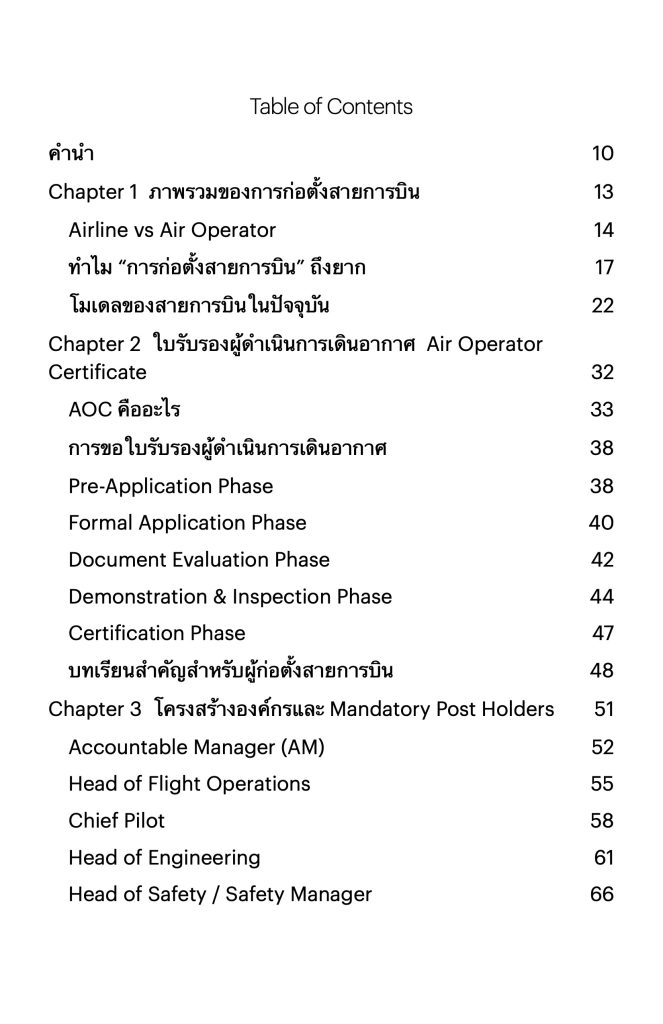
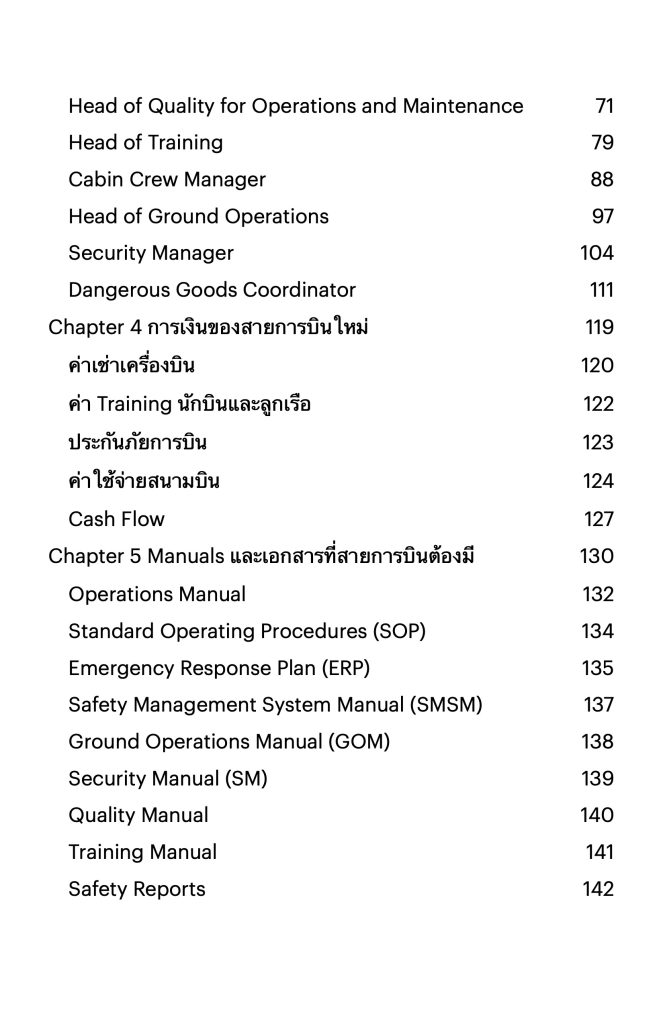
ซื้ออีบุ๊ค “Becoming an Airline” “กว่าจะเป็นสายการบิน” คลิ๊กที่นี่