
Capt. Sopon Insights
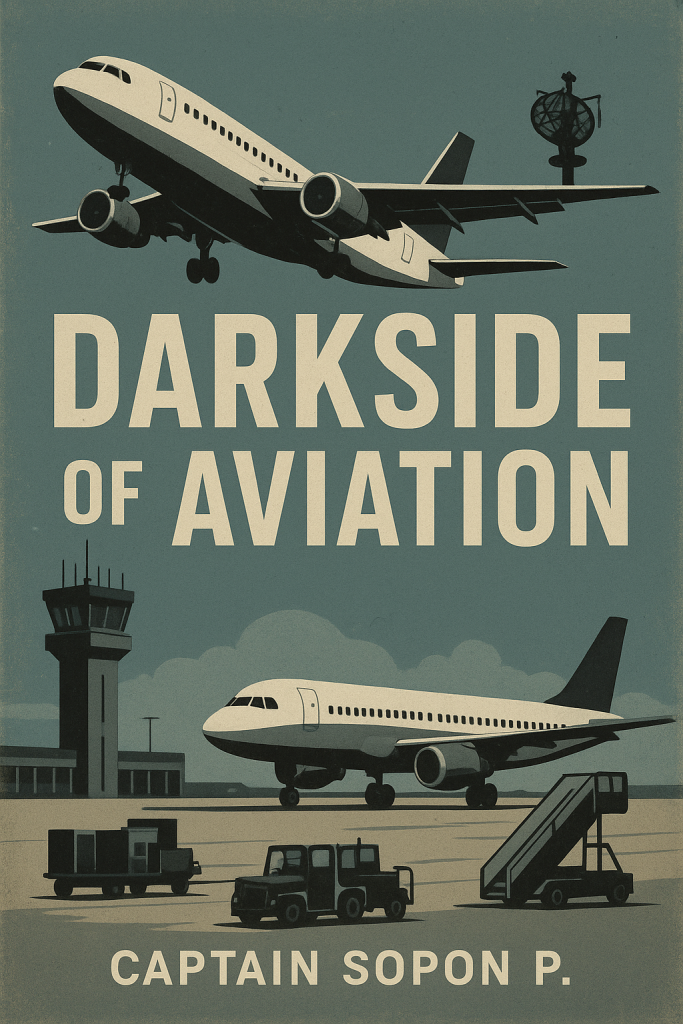
หนังสือ “ด้านมืดของสายการบิน” เรื่องลับ ๆ ในมุมอับที่คนภายนอกไม่ค่อยรู้
บทเรียนด้าน CRM ที่อุตสาหกรรมการบินไม่ควรมองข้าม
ต้นเดือนมกราคม 2026 วงการการบินพาณิชย์ได้รับความสนใจจากรายงานข่าวที่ไม่ปกตินัก เมื่อสายการบิน EVA Air ของไต้หวันยืนยันว่าได้สั่ง ระงับการปฏิบัติหน้าที่นักบินกัปตันรายหนึ่ง หลังเกิดเหตุทำร้ายร่างกาย First Officer ภายในห้องนักบิน ขณะเครื่องบินกำลัง เคลื่อนที่บนพื้นสนามบิน (Taxi) ที่สนามบินนานาชาติลอสแองเจลิส (LAX)
แม้เหตุการณ์จะไม่ได้เกิดขึ้นระหว่างการบินในอากาศ แต่ก็ถือเป็นเรื่องร้ายแรงอย่างยิ่ง เนื่องจากเกิดขึ้นในช่วงเวลาที่ถือเป็น critical phase of operation ซึ่งต้องอาศัยสมาธิ การสื่อสาร และการทำงานเป็นทีมในระดับสูงสุด
เกิดอะไรขึ้นในห้องนักบิน
จากรายงานข่าวหลายแหล่งระบุว่า ขณะเครื่องบินกำลัง taxi เพื่อเตรียมออกเดินทาง
First Officer ได้เตือนกัปตันหลายครั้งว่า ความเร็วในการเคลื่อนที่อาจสูงเกินข้อจำกัดตาม SOP
แต่ไม่ได้รับการตอบสนองอย่างเหมาะสม
เมื่อการเตือนด้วยวาจาไม่ได้ผล First Officer จึงตัดสินใจ ใช้ระบบเบรกตามหน้าที่และขั้นตอนมาตรฐาน เพื่อควบคุมความปลอดภัยของอากาศยานบนพื้นสนามบิน
อย่างไรก็ตาม การกระทำดังกล่าวกลับนำไปสู่ความขัดแย้งอย่างรุนแรง กัปตันเกิดอารมณ์โกรธและมีรายงานว่าได้ ทำร้ายร่างกาย First Officer ภายในห้องนักบิน ส่งผลให้เกิดการร้องเรียนและการสอบสวนในเวลาต่อมา
การตอบสนองของ EVA Air และหน่วยงานกำกับดูแล
EVA Air ระบุว่า หลังได้รับรายงาน ได้ดำเนินการสอบสวนภายในทันที และสั่ง พักการบินกัปตันที่เกี่ยวข้องเป็นการชั่วคราว ระหว่างรอผลการสอบสวน
ข้อมูลจาก Quick Access Recorder (QAR) ถูกนำมาใช้ตรวจสอบพารามิเตอร์การเคลื่อนที่ของเครื่องบิน โดยสายการบินยืนยันว่าในเชิงเทคนิค เครื่องบินยังอยู่ภายใต้ขีดจำกัดด้านความปลอดภัย แต่ประเด็นหลักของคดีนี้ไม่ได้อยู่ที่ “ตัวเครื่องบิน” หากแต่อยู่ที่ พฤติกรรมมนุษย์และการทำงานร่วมกันของลูกเรือ
ขณะเดียวกัน หน่วยงานการบินพลเรือนไต้หวัน (CAA) ได้เริ่มการตรวจสอบในส่วนของกฎระเบียบและมาตรฐานความปลอดภัยเช่นกัน
ประเด็นสำคัญที่อุตสาหกรรมการบินต้องทบทวน
เหตุการณ์นี้สะท้อนประเด็นสำคัญหลายด้าน ได้แก่
1. Crew Resource Management (CRM)
CRM ไม่ได้เป็นเพียงทฤษฎีในห้องเรียน แต่คือวัฒนธรรมการทำงานจริง
การรับฟัง การเคารพซึ่งกันและกัน และการจัดการอารมณ์ เป็นหัวใจของความปลอดภัย
2. Authority Gradient
ความเป็น “กัปตัน” ไม่ได้หมายถึงการใช้อำนาจเหนือเหตุผล
First Officer มีหน้าที่ต้องพูด และกัปตันมีหน้าที่ต้องฟัง โดยเฉพาะเมื่อเกี่ยวข้องกับความปลอดภัย
3. Human Factors สำคัญกว่าที่คิด
เหตุการณ์รุนแรงไม่ได้เกิดจากความล้มเหลวของระบบเครื่องบิน
แต่เกิดจากความล้มเหลวในการจัดการความเครียด อารมณ์ และการสื่อสาร
ไม่ใช่เรื่องซุบซิบ แต่คือบทเรียนความปลอดภัย
เหตุการณ์ของ EVA Air ครั้งนี้ ไม่ควรถูกมองเป็นเพียงข่าวฉาว
แต่ควรถูกใช้เป็น กรณีศึกษาเชิงความปลอดภัย (Safety Case Study)
เพื่อย้ำเตือนว่า
ห้องนักบินไม่ใช่ที่ของการระเบิดอารมณ์ใส่กัน
แต่เป็นพื้นที่จะต้องใช้เหตุผล มีวินัย และความรับผิดชอบสูงสุด
เพราะในท้ายที่สุด ความปลอดภัยของผู้โดยสารหลายร้อยชีวิต
ขึ้นอยู่กับ “การตัดสินใจและการควบคุมตนเอง” ของคนเพียงไม่กี่คนในห้องนักบิน
EVA Air Pilot Suspended After Alleged Cockpit Assault During Taxi at LAX
A Serious Crew Resource Management Lesson for the Aviation Industry
In early January 2026, the global aviation community took notice of an unusual and deeply concerning incident involving EVA Air, Taiwan’s flag carrier. The airline confirmed that it had suspended one of its captains and launched an internal investigation following allegations that the captain physically assaulted a First Officer inside the cockpit while the aircraft was taxiing at Los Angeles International Airport (LAX).
Although the event did not occur during flight, it took place during a critical phase of operation, where situational awareness, discipline, and effective crew coordination are essential to flight safety.
What reportedly happened in the cockpit
According to multiple media reports, while the aircraft was taxiing for departure, the First Officer warned the captain several times that the aircraft’s taxi speed appeared to exceed company or procedural limits.
When verbal warnings did not result in corrective action, the First Officer reportedly applied braking in accordance with standard operating procedures (SOPs) to maintain safe ground operations.
The situation then escalated. Reports allege that the captain became angry and physically struck the First Officer inside the cockpit, leading to visible injuries and a formal complaint. The incident was subsequently reported to the airline and relevant authorities.
EVA Air and regulatory response
EVA Air stated that it immediately initiated an internal investigation and removed the captain from flight duties pending the outcome.
Data from the aircraft’s Quick Access Recorder (QAR) was reviewed and reportedly indicated that, from a purely technical standpoint, the aircraft remained within operational safety parameters during taxi. However, the airline emphasized that the investigation focuses not on aircraft performance, but on human behavior, professionalism, and cockpit conduct.
Taiwan’s Civil Aeronautics Administration (CAA) also opened its own inquiry, noting that any behavior undermining flight safety could result in regulatory action.
Key safety issues highlighted by the incident
This case underscores several critical aviation safety principles:
1. Crew Resource Management (CRM)
CRM is not theoretical training—it is a lived discipline.
Effective CRM requires open communication, mutual respect, and emotional control, especially when safety concerns are raised.
2. Authority Gradient
A steep authority gradient can be hazardous.
First Officers are not only allowed but obligated to speak up, and captains are equally obligated to listen—particularly when safety margins are questioned.
3. Human Factors Matter
No system failure was involved.
The incident highlights how stress, ego, and emotional mismanagement can pose serious risks even when aircraft systems are functioning normally.
Beyond headlines: a safety case, not a scandal
This incident should not be treated as aviation gossip or sensational news.
Instead, it deserves attention as a serious safety case study, reinforcing a fundamental truth in aviation:
The cockpit is not a place for emotion or confrontation.
It is a professional environment governed by discipline, procedure, and responsibility.
Ultimately, the safety of hundreds of passengers depends not only on aircraft technology, but on the judgment, self-control, and professionalism of the flight crew.
References / Source Articles
- Taipei Times – EVA Air probes pilot after alleged assault during taxi at LAX
https://www.taipeitimes.com/News/taiwan/archives/2026/01/05/2003850064 - AirGuide – EVA Air probes pilot after alleged assault during taxi at LAX
https://airguide.info/eva-air-probes-pilot-after-alleged-assault-during-taxi-at-lax/
(Readers are encouraged to consult original sources for ongoing updates.)

|
|
หนังสือการบิน ทางลัดสู่ความเข้าใจที่นำไปใช้งานจริง
|
|

|
|


|
|
|
|
|
|
A350 accident Airbus aircraft airline airmanship Air Traffic Control airworthiness ATC aviation Aviation SMS B787 become a captain become a pilot Boeing captain CAT Crisis Crisis Management emergency engine fatigue flight safety go-around interview management pilot qualified pilot safety Safety Management System SMS student pilot swiss cheese TCAS technology training travel tips turbulence weather การจัดการความปลอดภัย การบิน การสอบสัมภาษณ์ ความปลอดภัย นักบิน สอบนักบิน
ขายดีที่สุด
|
|
|