
Click HERE for English version
ในโลกของการบินพาณิชย์ เรามักพูดถึงเรื่อง Safety, Standardization, และ Professionalism อยู่เสมอ แต่มีเครื่องมือสำคัญอย่างหนึ่งที่ช่วยให้ทั้งสามสิ่งนี้เกิดขึ้นได้จริง นั่นคือ Briefing และ Debriefing
แม้จะดูเหมือนเป็นเพียงการพูดคุยก่อนและหลังการปฏิบัติงาน แต่แท้จริงแล้ว ทั้งสองกระบวนการนี้คือหัวใจของการสร้างความปลอดภัยในการบิน และเป็นส่วนหนึ่งของวัฒนธรรมองค์กรที่เข้มแข็ง
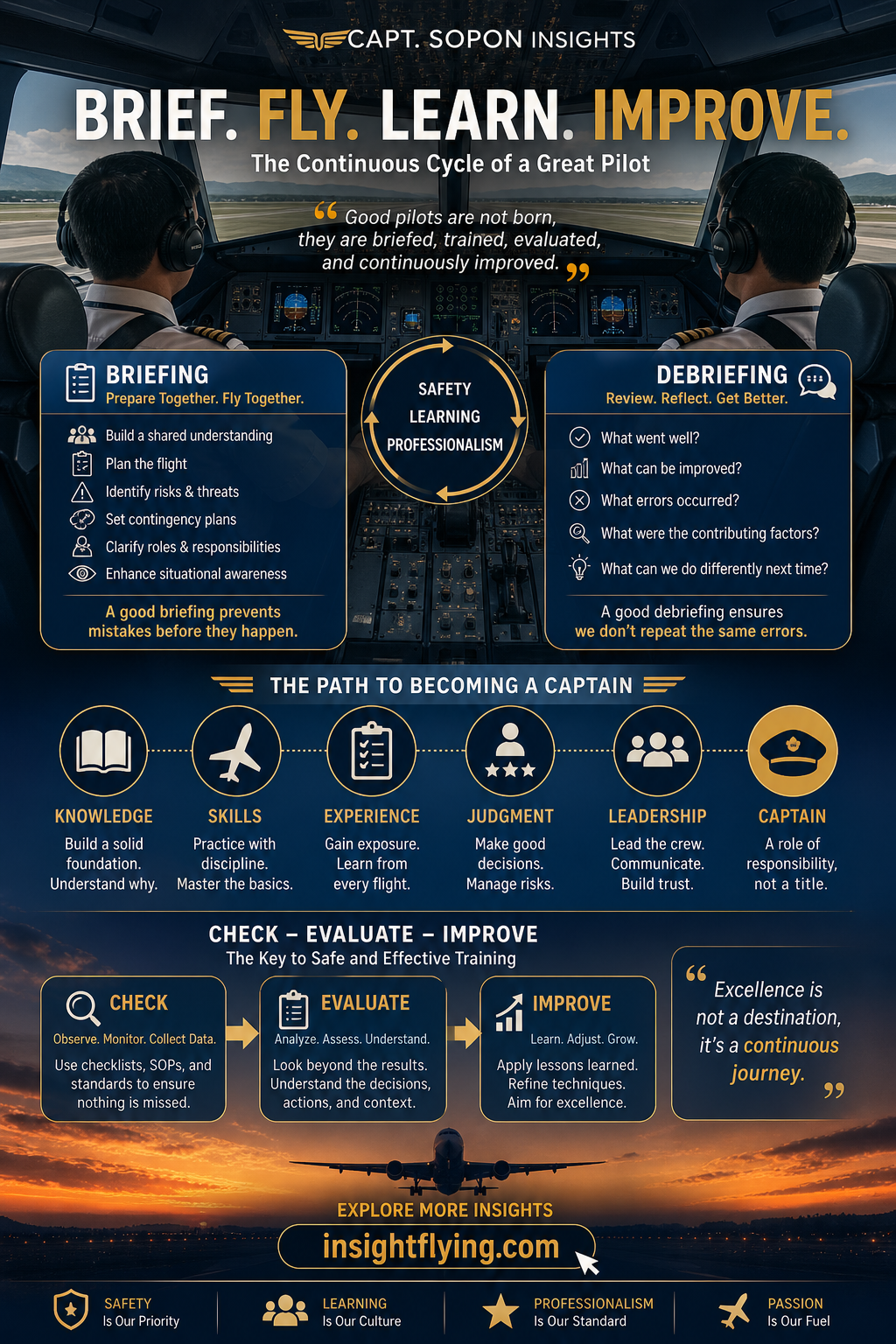
Briefing คืออะไร
Briefing คือการสื่อสารก่อนเริ่มปฏิบัติการ เพื่อให้ทุกคนมี “ภาพเดียวกัน” หรือ Shared Mental Model
ในการบินพาณิชย์ Briefing อาจเกิดขึ้นหลายช่วง เช่น
- Pre-flight Briefing
- Departure Briefing
- Approach Briefing
- Cabin Crew Briefing
- Dispatcher Briefing
- Maintenance Coordination Briefing
วัตถุประสงค์หลักคือ
- สร้างความเข้าใจร่วมกัน
- กำหนดแผนการปฏิบัติ
- ระบุความเสี่ยงล่วงหน้า
- กำหนดทางเลือกสำรอง
- ลดความคลุมเครือในการตัดสินใจ
พูดง่าย ๆ คือ
“เราต้องรู้ว่าเรากำลังจะทำอะไร
ถ้าเกิดสิ่งไม่คาดคิด เราจะทำอย่างไร”
นี่คือพื้นฐานของการป้องกันอุบัติเหตุ
Debriefing คืออะไร
Debriefing คือการทบทวนหลังการปฏิบัติงาน
ไม่ใช่เพื่อหาคนผิด
แต่เพื่อเรียนรู้และพัฒนา
สิ่งที่มักเกิดขึ้นในการ Debrief เช่น
- สิ่งที่ทำได้ดี
- สิ่งที่ควรปรับปรุง
- ความผิดพลาดที่เกิดขึ้น
- ปัจจัยที่นำไปสู่ปัญหา
- แนวทางป้องกันในอนาคต
Debriefing ที่ดีจะสร้าง
- Continuous Improvement
- Learning Culture
- Just Culture
- Operational Excellence
องค์กรที่ไม่มี Debriefing
มักจะ “ทำผิดเรื่องเดิมซ้ำ ๆ”
|
|
ทำไม Briefing จึงสำคัญมาก
1. ลด Human Error
อุบัติเหตุส่วนใหญ่ไม่ได้เกิดจากเครื่องบินเสีย
แต่เกิดจาก Human Factors
Briefing ช่วยลด
- Assumption
- Miscommunication
- Confirmation Bias
- Authority Gradient
- Situational Awareness Loss
โดยเฉพาะใน Multi-Crew Operations
หาก Captain และ First Officer เข้าใจไม่ตรงกัน
ความเสี่ยงจะเพิ่มขึ้นทันที
2. สร้าง Standardization
การบินต้องอาศัย Standards
ไม่ใช่ “ต่างคนต่างเก่ง”
แต่คือ
“ทุกคนทำในมาตรฐานเดียวกัน”
Briefing ช่วยย้ำ SOPs
และทำให้ Crew Coordination เป็นระบบ
นี่คือหัวใจของ CRM
(Crew Resource Management)
3. เตรียมพร้อมสำหรับ Abnormal Situation
ไม่มีใครรู้ว่าเครื่องยนต์จะขัดข้องเมื่อไร
หรือสภาพอากาศจะเปลี่ยนอย่างไร
แต่การ Brief ที่ดีทำให้
เมื่อเหตุการณ์เกิดขึ้น
เราไม่เริ่มคิดตอนนั้น
เราเตรียมคิดไว้แล้ว
นี่คือความแตกต่างระหว่างมืออาชีพ
กับการแก้ปัญหาเฉพาะหน้าแบบไร้ระบบ
ทำไม Debriefing จึงสำคัญไม่แพ้กัน
1. ประสบการณ์จะมีค่า เมื่อถูกนำมาทบทวน
การบินหลายพันชั่วโมง
ไม่ได้แปลว่าเก่งขึ้นเสมอไป
หากไม่มีการสะท้อนกลับ (Reflection)
ประสบการณ์อาจเป็นเพียง
การทำสิ่งเดิมซ้ำ ๆ หลายพันครั้ง
Debriefing เปลี่ยน “ประสบการณ์”
ให้กลายเป็น “บทเรียน”
2. สร้างวัฒนธรรมความปลอดภัย
องค์กรที่ดี
ไม่ใช่องค์กรที่ไม่มีความผิดพลาด
แต่คือองค์กรที่
กล้ายอมรับความผิดพลาด
และเรียนรู้จากมัน
นี่คือพื้นฐานของ Safety Culture
3. พัฒนาคนรุ่นต่อไป
Senior ถ่ายทอดให้ Junior
Instructor ถ่ายทอดให้ Trainee
Captain ถ่ายทอดให้ First Officer
สิ่งนี้ไม่เกิดจากตำราเพียงอย่างเดียว
แต่มาจากการ Debrief อย่างมีคุณภาพ
Briefing ที่ดี ต้องไม่ใช่การ “อ่าน Checklist”
หลายครั้ง Briefing กลายเป็นเพียง
“พูดให้ครบตามฟอร์ม”
แต่ไม่ได้เกิดการสื่อสารจริง
Briefing ที่ดีต้อง
- Relevant
- Specific
- Interactive
- Threat-based
- Decision-oriented
ไม่ใช่การพูดคนเดียว
แต่คือการสร้างการรับรู้ร่วมกัน
Debriefing ที่ดี ต้องไม่ใช่การตำหนิ
หาก Debrief กลายเป็นการจับผิด
คนจะเริ่ม
- ปิดบังข้อมูล
- ไม่กล้าพูด
- ไม่กล้ายอมรับความผิดพลาด
และนั่นคือจุดเริ่มต้นของอุบัติเหตุ
Debriefing ที่ดีต้องอยู่บนพื้นฐานของ
Respect + Trust + Learning
ไม่ใช่ Fear
บทสรุป
Briefing คือการป้องกัน
Debriefing คือการพัฒนา
หนึ่งช่วยลดความผิดพลาดก่อนเกิด
อีกหนึ่งช่วยไม่ให้ความผิดพลาดเกิดซ้ำ
ทั้งสองอย่างรวมกันคือ
Professional Aviation Operation
นักบินที่ดี
ไม่ใช่คนที่บินเก่งที่สุด
แต่คือคนที่
- เตรียมตัวดีที่สุด
- เรียนรู้เร็วที่สุด
- และไม่หยุดพัฒนาตัวเอง
เพราะในโลกของการบิน
Safety ไม่ได้เกิดจากโชค
แต่เกิดจากระบบ
และ Briefing กับ Debriefing
คือหนึ่งในระบบที่สำคัญที่สุดนั้น
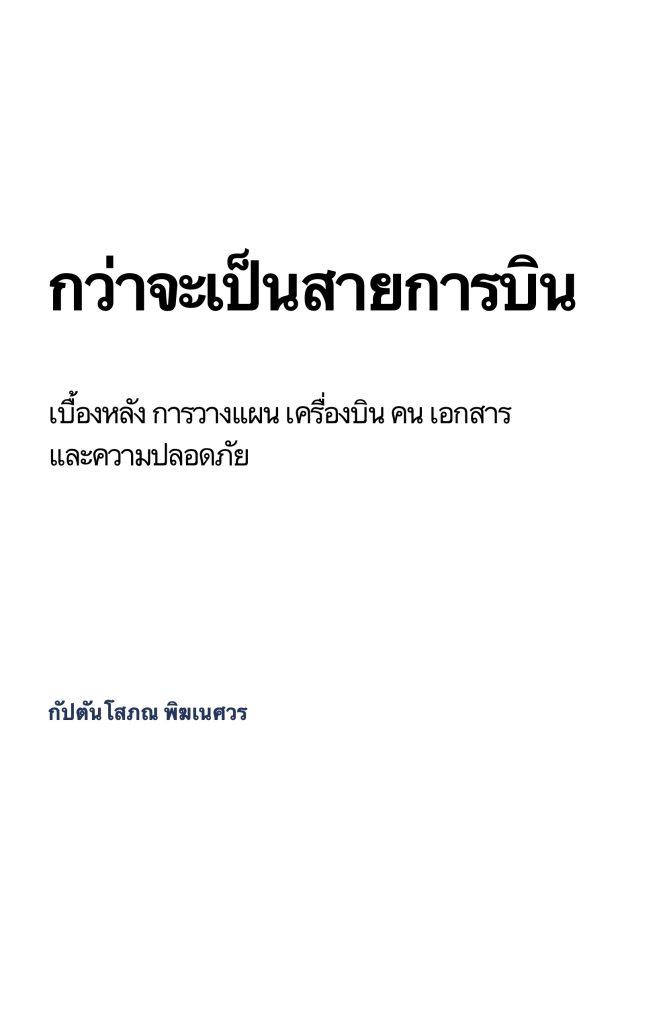
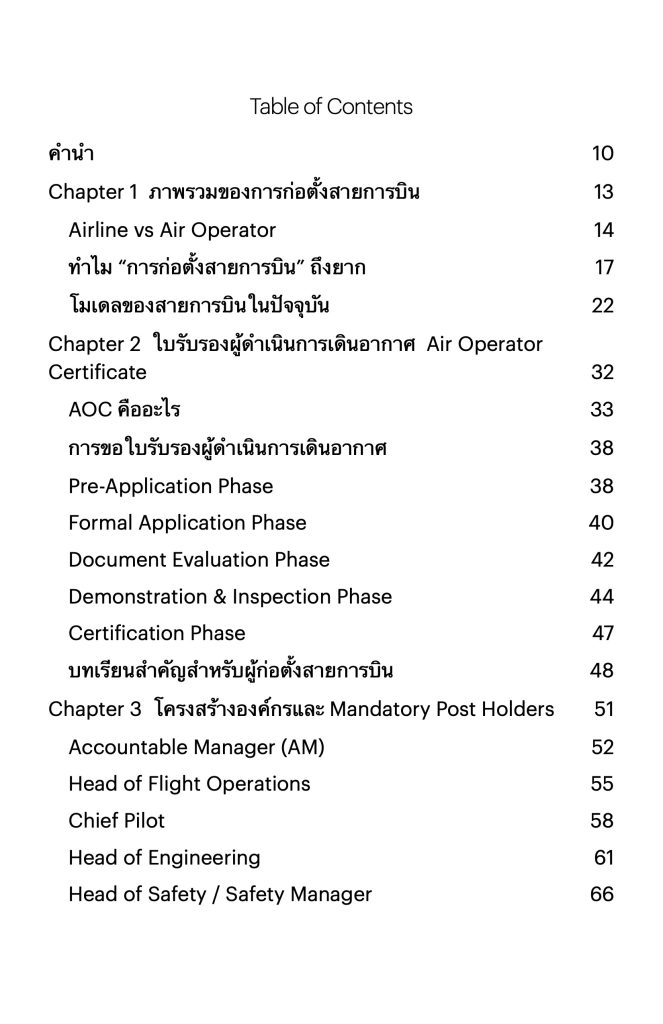
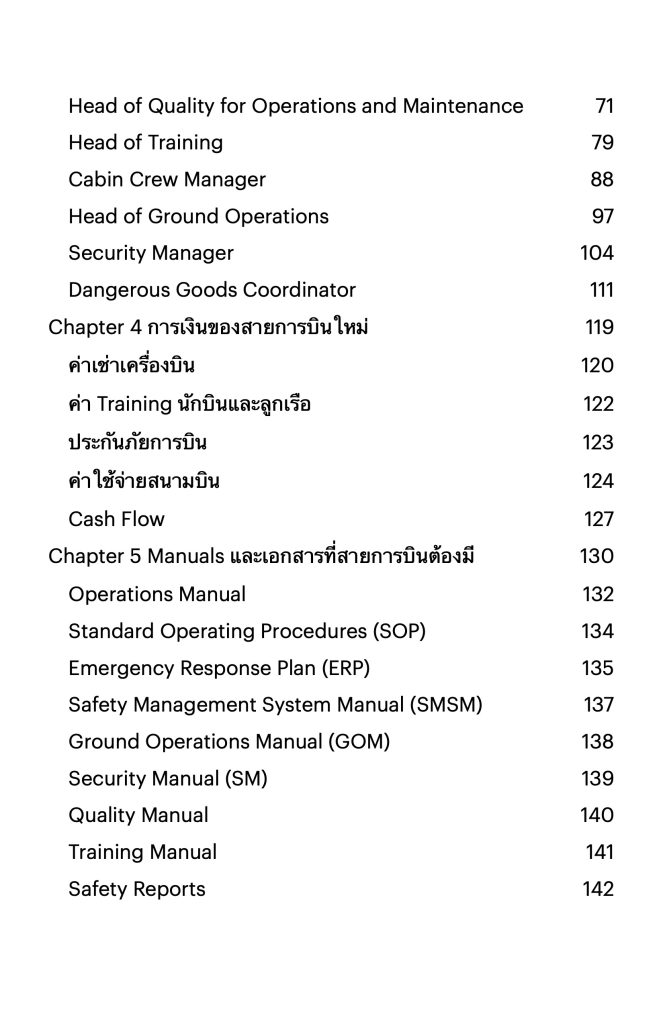
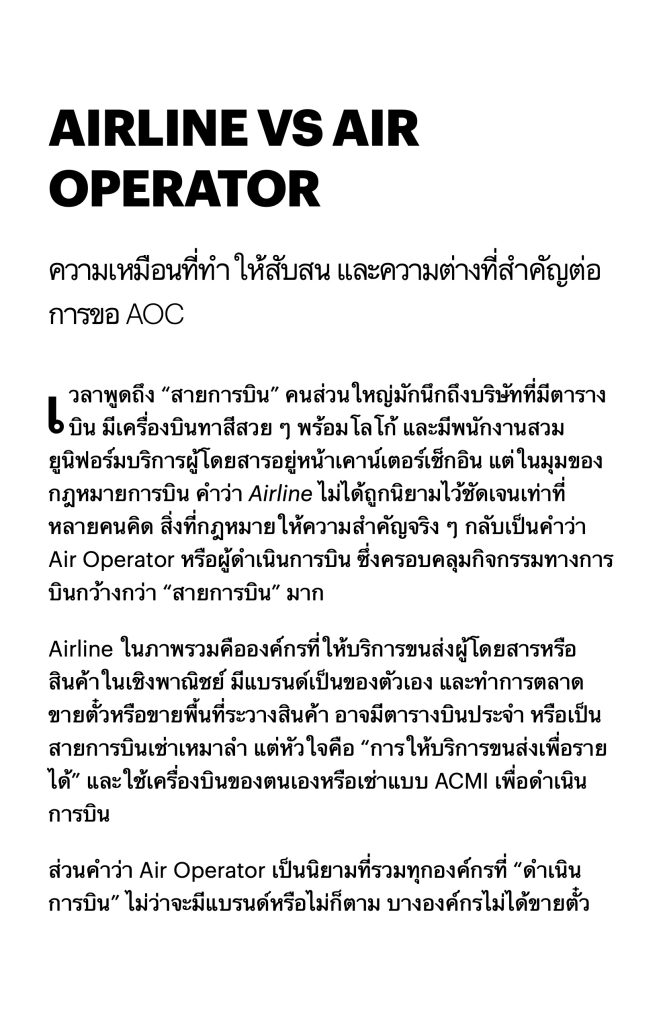
ซื้ออีบุ๊ค “Becoming an Airline” “กว่าจะเป็นสายการบิน” คลิ๊กที่นี่
The Importance of Briefing and Debriefing in Commercial Aviation
In commercial aviation, we constantly talk about Safety, Standardization, and Professionalism. However, one of the most powerful tools that makes all three truly effective is Briefing and Debriefing.
Although they may seem like simple conversations before and after operations, these two processes are actually at the heart of aviation safety and a strong organizational culture.
What is Briefing?
Briefing is communication conducted before an operation begins to ensure that everyone shares the same understanding — what we call a Shared Mental Model.
In commercial aviation, briefing may take place at several stages, such as:
- Pre-flight Briefing
- Departure Briefing
- Approach Briefing
- Cabin Crew Briefing
- Dispatcher Briefing
- Maintenance Coordination Briefing
The main objectives are to:
- Build common understanding
- Establish the operational plan
- Identify risks in advance
- Define contingency options
- Reduce ambiguity in decision-making
Simply put:
“We must know what we are about to do.
And if something unexpected happens, we must know what we will do.”
This is the foundation of accident prevention.
What is Debriefing?
Debriefing is the review conducted after an operation.
Its purpose is not to find someone to blame,
but to learn and improve.
Typical debriefing topics include:
- What went well
- What should be improved
- Errors that occurred
- Contributing factors
- Preventive actions for the future
Good debriefing creates:
- Continuous Improvement
- Learning Culture
- Just Culture
- Operational Excellence
Organizations without debriefing
often repeat the same mistakes.
Why Briefing is So Important
1. Reduces Human Error
Most aviation accidents are not caused by aircraft failure,
but by human factors.
Briefing helps reduce:
- Assumptions
- Miscommunication
- Confirmation Bias
- Authority Gradient
- Loss of Situational Awareness
Especially in multi-crew operations,
if the Captain and First Officer do not share the same understanding, risk increases immediately.
2. Builds Standardization
Aviation depends on Standards
—not on “everyone being good in their own way.”
It means:
“Everyone operates to the same standard.”
Briefing reinforces SOPs
and makes crew coordination systematic.
This is one of the core principles of CRM
(Crew Resource Management).
eBook at Kobo “Aviation Safety Management System.”

3. Prepares for Abnormal Situations
No one knows when an engine failure may occur
or when weather conditions may suddenly change.
But a good briefing ensures that:
When the event happens,
we do not start thinking at that moment —
we have already thought about it.
This is the difference between professionals
and reactive problem-solving without structure.
Why Debriefing is Equally Important
1. Experience Only Has Value When It Is Reviewed
Flying thousands of hours
does not automatically make someone better.
Without reflection,
experience may simply become:
Doing the same thing repeatedly for thousands of hours.
Debriefing transforms “experience”
into “lessons learned.”
2. Creates a Strong Safety Culture
A good organization
is not one without mistakes.
It is one that:
Is willing to acknowledge mistakes
and learn from them.
This is the foundation of Safety Culture.
3. Develops the Next Generation
Senior pilots pass knowledge to juniors.
Instructors guide trainees.
Captains develop First Officers.
This does not happen through manuals alone.
It happens through quality debriefing.
Good Briefing is Not Just Reading a Checklist
Many times, briefing becomes nothing more than
“saying the required words.”
But no real communication happens.
A good briefing must be:
- Relevant
- Specific
- Interactive
- Threat-based
- Decision-oriented
It should not be a monologue,
but a process of building shared awareness.
Good Debriefing is Not Blame
If debriefing becomes fault-finding,
people will begin to:
- Hide information
- Avoid speaking up
- Refuse to admit mistakes
And that is where accidents begin.
Good debriefing must be built on:
Respect + Trust + Learning
—not fear.
Conclusion
Briefing is prevention.
Debriefing is improvement.
One helps prevent errors before they happen.
The other ensures errors do not happen again.
Together, they form:
Professional Aviation Operations
A good pilot
is not the one who flies the best.
It is the one who:
- Prepares the best
- Learns the fastest
- Never stops improving
Because in aviation,
Safety does not happen by luck.
It happens by system.
And Briefing and Debriefing
are among the most important parts of that system.