
ย้อนกลับไปก่อนเข้าสู่เส้นทางนักบินฝึกหัด การสอบคัดเลือกนักเรียนทุนในอดีตมีข้อกำหนดบางอย่างแตกต่างจากปัจจุบัน เช่น อายุและความสามารถด้านภาษาอังกฤษ แต่หลักการทั่วไปคือ ปริญญาตรีสาขาใดก็ได้
เพื่อนร่วมรุ่นของผมจบมาหลากหลายสาขา ตั้งแต่สัตวแพทย์ วิศวกรรม สถาปัตยกรรม นิเทศศาสตร์ ฯลฯ
ขั้นตอนการสอบคัดเลือก (ปี 1992)
การสอบแบ่งเป็น 5 ขั้นตอนหลัก ดังนี้
- สมัครและตรวจคุณสมบัติ
- ข้อกำหนดสมัยนั้นคือ หากผ่านทุกขั้นตอนแล้ว จะไม่สามารถสมัครสอบใหม่อีกในชีวิตนี้
- ปัจจุบันมีการเปลี่ยนแปลง เช่น ต้องรอ 3–5 ปี ขึ้นอยู่กับขั้นตอนที่ผ่าน
- สอบข้อเขียน
- วิชาคณิตศาสตร์ วิทยาศาสตร์ และภาษาอังกฤษ
- ปัจจุบันมีการเพิ่ม aptitude test เพื่อวัดความถนัดด้านต่าง ๆ เช่น short-term memory, spatial orientation, multi-tasking
- ตรวจร่างกาย
- ทำที่สถาบันเวชศาสตร์การบิน กองทัพอากาศ
- สอบสัมภาษณ์กับกัปตันการบินไทย
- รอบนี้สำคัญมากสำหรับวัด บุคลิกภาพ ความมั่นใจ และความรู้ทั่วไป
- ตัวผมเองเคยตอบคำถามกัปตันไม่รู้เรื่องเครื่องบินเลย แต่โชคดีที่สามารถอธิบายสิ่งที่เขียนในใบสมัคร เช่น sense of direction ได้ถูกจุด
- Aptitude Test สุดท้าย (สอบ “professor”)
- ทำกับนักจิตวิทยาจาก Scandinavian Institute of Aviation Psychology (SIAP)
- การสอบแบ่งเป็น 2 วัน: paper test และสอบตัวต่อตัว
- รอบนี้วัดทั้ง ความจำ, พื้นฐานพฤติกรรมทางสังคม, spatial orientation, การแก้ไขสถานการณ์กะทันหัน
ประสบการณ์ของผม
ตอนสอบสัมภาษณ์ในขั้นตอนที่ 4 ผมไม่มีความมั่นใจเลย เพราะไม่เคยรู้เรื่องเครื่องบินมาก่อน กัปตันถามเกี่ยวกับเครื่องบิน ผมตอบไม่ถูก แต่โชคดีที่สามารถอธิบายเรื่อง ทิศทางและการอ่านแผนที่ ได้อย่างมั่นใจ ซึ่งตรงกับการวัด Spatial Orientation ของนักบิน
การสอบรอบสุดท้ายถือเป็น ด่านหิน สำหรับทุกคน แต่ผมกลับสนุกมาก เพราะได้เรียนรู้ว่าอาชีพนักบินนั้นมีมิติให้ศึกษามากมาย
จากกว่าพันคนที่สมัคร รอบสุดท้ายมีผู้ผ่านเพียง 14 คน
ใคร ๆ ก็บินได้จริงหรือ?
คำตอบสั้น ๆ คือ ไม่ใช่ทุกคน
แม้ทุกคนจะมีความฝัน แต่การเป็นนักบินต้องผ่าน การคัดเลือกเข้มข้นหลายชั้น ทั้งด้านร่างกาย ความรู้ ความสามารถเฉพาะด้าน และทัศนคติ
ประสบการณ์และการสอบรอบต่าง ๆ สอนให้รู้ว่า การเป็นนักบินพาณิชย์ไม่ใช่เรื่องง่าย และไม่ใช่ใครก็ทำได้เหมือนกัน
Becoming a Commercial Pilot: Can “Anyone Fly” Really Be True?
Before stepping into pilot training, candidates for the student pilot scholarship faced a rigorous selection process. While the exact requirements have changed over time—such as age limits and English proficiency—the core principle remains: a bachelor’s degree in any field is acceptable.
In my cohort, classmates came from diverse backgrounds: veterinary science, engineering, architecture, communication arts, and more.
The Selection Process (Back in 1992)
The selection process consisted of five main stages:
- Application and Eligibility Check
- At that time, once you completed all stages, you were not allowed to reapply in your lifetime.
- Today, the rules vary; you may need to wait 3–5 years depending on how far you progressed in the previous attempt.
- Written Exam
- Covered mathematics, science, and English.
- Modern tests often include aptitude assessments, measuring short-term memory, spatial orientation, and multitasking skills.
- Medical Examination
- Conducted at the Air Force Institute of Aviation Medicine.
- Interview with Thai Airways Captains
- This stage evaluates personality, confidence, and general knowledge.
- I remember struggling to answer technical questions about aircraft, but I could explain my claim of “sense of direction” in my application, which reflected my ability to read maps and navigate confidently in unfamiliar terrain.
- Final Aptitude Test (“Professor Test”)
- Conducted by psychologists from the Scandinavian Institute of Aviation Psychology (SIAP).
- Lasted two days: a paper-based test and one-on-one interviews.
- Assessed memory, social behavior, spatial orientation, stress response, and problem-solving skills.
My Experience
During the fourth stage interview, I felt completely unprepared because I had no prior knowledge of aircraft. But I managed to explain my sense of direction confidently, which aligned with the evaluation of spatial orientation—an essential skill for pilots.
The final “professor” stage was the toughest yet most fascinating part of the process. It revealed how multidimensional a pilot’s role really is, far beyond just flying an airplane.
From over a thousand initial applicants, only 14 candidates successfully made it through to the end.
Can Anyone Really Become a Pilot?
The short answer is no.
While many people dream of flying, becoming a commercial pilot requires passing multiple rigorous assessments of physical ability, knowledge, specific skills, and attitude.
The experience and evaluation at each stage underscore an essential truth: being a commercial pilot is challenging, and not everyone can do it.
Key Takeaways for Aspiring Pilots
- Solid Foundations Matter: Mathematics, physics, and English form the backbone of aviation knowledge.
- Continuous Learning is Essential: Aviation rules, technologies, and procedures evolve constantly; a pilot must never stop studying.
- Discipline and Resilience: The journey is long and demanding, but perseverance shapes a professional pilot.
- The Right Mindset: A great pilot is measured not by rank or aircraft type but by professionalism, teamwork, and prioritizing safety at all times.
✈️ “Flying is a dream, but becoming a pilot is a journey. It requires preparation, focus, and resilience. Few will reach the cockpit, but every challenge along the way is part of the adventure.”
-

ใบอนุญาตนักบิน (Pilot Licence) ประเภทและรายละเอียดในแต่ละภูมิภาค: ไทย (CAAT), FAA, EASA
เส้นทางการเป็นนักบินที่ได้รับใบอนุญาตอย่างเป็นทางการ (certificated pilot) ทั่วโลก มีขั้นตอนคล้ายกัน คือ เริ่มจากการเรียนการบินพื้นฐาน → ได้ใบอนุญาต Private/Commercial → สะสมประสบการณ์ → สอบ/ฝึกจนได้ Airline Transport Licence แต่รายละเอียดปลีกย่อย เช่น อายุขั้นต่ำ จำนวนชั่วโมงบิน การตรวจแพทย์ ระบบการอบรม และการแปลงใบอนุญาต (conversion/validation) จะแตกต่างกันไปตามหน่วยงานกำกับดูแลบทความนี้จะเปรียบเทียบ ประเทศไทย (CAAT), สหรัฐอเมริกา (FAA) และ ยุโรป (EASA / Part-FCL) คำศัพท์พื้นฐาน 1) ประเภทใบอนุญาตหลัก (ที่ทุกระบบมีเหมือนกัน) 2) อายุขั้นต่ำ ชั่วโมงบิน และการสอบ FAA (สหรัฐอเมริกา) EASA (ยุโรป – Part-FCL) Thailand (CAAT) สรุป: จุดต่างที่เห็นชัดคือ FAA มี…
-
Flight Data Monitoring Program (FDM): เครื่องมือสำคัญในการยกระดับความปลอดภัยการบิน
บทนำ การบินพาณิชย์ในปัจจุบันมีความซับซ้อนและเต็มไปด้วยความท้าทายต่อความปลอดภัยของเที่ยวบิน องค์การการบินพลเรือนระหว่างประเทศ (ICAO) และหน่วยงานกำกับดูแลด้านการบินของแต่ละประเทศ ต่างให้ความสำคัญกับการพัฒนา ระบบการจัดการความปลอดภัย (Safety Management System: SMS) ซึ่งหนึ่งในเครื่องมือสำคัญที่ช่วยสนับสนุนการทำงานของ SMS คือ Flight Data Monitoring Program (FDM) หรือที่บางครั้งเรียกว่า Flight Operations Quality Assurance (FOQA) ความหมายและวัตถุประสงค์ Flight Data Monitoring (FDM) คือ กระบวนการเก็บรวบรวม วิเคราะห์ และประเมินข้อมูลการบินที่ได้จาก Flight Data Recorder (FDR) หรืออุปกรณ์บันทึกการบินอื่น ๆ โดยมีเป้าหมายหลักเพื่อ องค์ประกอบหลักของ FDM ประโยชน์ของ Flight Data Monitoring Program กรณีศึกษา (Case Studies) 1. FAA FOQA Program…
-

นกแอร์ถูก “กพท.” เบรกบินต่างประเทศ
นกแอร์ถูก “กพท.” เบรกบินต่างประเทศ-ห้ามขยายรูท ชั่วคราว เหตุพบช่องโหว่ความปลอดภัยหลายมิติ เกิดอะไรขึ้น: 25 ส.ค. 2568 กพท. (CAAT) ทำหนังสือคำสั่งถึงนกแอร์ให้ เหตุผลหลักที่กพท.อ้างถึง (จากหนังสือคำสั่ง): สิ่งที่กพท.สั่งให้นกแอร์ทำ (Deadlines ชัดเจน): นกแอร์ชี้แจงว่า: ทำไม “SMS/FDM/RCA + สภาพบุคลากร” จึงเป็นแกนสำคัญ ผลกระทบระยะสั้น–กลาง ไทม์ไลน์ย่อ (อ้างอิงวันที่สำคัญ) ตัวชี้วัดความคืบหน้า แหล่งอ้างอิงหลัก Nok Air Ordered to Halt International Flights & Route Expansion — Safety Oversight Cited Ahead of ICAO Audit What happened:On 25 Aug 2025, Thailand’s Civil Aviation Authority…
-
กว่าจะเป็นนักบินพาณิชย์ : “ใคร ๆ ก็บินได้” จริงหรือ?
ย้อนกลับไปก่อนเข้าสู่เส้นทางนักบินฝึกหัด การสอบคัดเลือกนักเรียนทุนในอดีตมีข้อกำหนดบางอย่างแตกต่างจากปัจจุบัน เช่น อายุและความสามารถด้านภาษาอังกฤษ แต่หลักการทั่วไปคือ ปริญญาตรีสาขาใดก็ได้ เพื่อนร่วมรุ่นของผมจบมาหลากหลายสาขา ตั้งแต่สัตวแพทย์ วิศวกรรม สถาปัตยกรรม นิเทศศาสตร์ ฯลฯ ขั้นตอนการสอบคัดเลือก (ปี 1992) การสอบแบ่งเป็น 5 ขั้นตอนหลัก ดังนี้ ประสบการณ์ของผม ตอนสอบสัมภาษณ์ในขั้นตอนที่ 4 ผมไม่มีความมั่นใจเลย เพราะไม่เคยรู้เรื่องเครื่องบินมาก่อน กัปตันถามเกี่ยวกับเครื่องบิน ผมตอบไม่ถูก แต่โชคดีที่สามารถอธิบายเรื่อง ทิศทางและการอ่านแผนที่ ได้อย่างมั่นใจ ซึ่งตรงกับการวัด Spatial Orientation ของนักบิน การสอบรอบสุดท้ายถือเป็น ด่านหิน สำหรับทุกคน แต่ผมกลับสนุกมาก เพราะได้เรียนรู้ว่าอาชีพนักบินนั้นมีมิติให้ศึกษามากมาย จากกว่าพันคนที่สมัคร รอบสุดท้ายมีผู้ผ่านเพียง 14 คน ใคร ๆ ก็บินได้จริงหรือ? คำตอบสั้น ๆ คือ ไม่ใช่ทุกคนแม้ทุกคนจะมีความฝัน แต่การเป็นนักบินต้องผ่าน การคัดเลือกเข้มข้นหลายชั้น ทั้งด้านร่างกาย ความรู้ ความสามารถเฉพาะด้าน และทัศนคติ…
-
30 ปีบนเส้นทางนักบิน : จากวันปล่อยเดี่ยวที่หัวหิน สู่การเป็นกัปตัน
กว่า 30 ปีมาแล้วที่ผมก้าวเข้าสู่เส้นทางนักบิน อาชีพที่เริ่มต้นจากความฝันในวัยหนุ่ม สู่ความจริงที่เต็มไปด้วยการเรียนรู้ การทดสอบ และการเดินทางทั้งใกล้และไกลไปทั่วโลก จุดเริ่มต้น : วันปล่อยเดี่ยวที่หัวหิน ผมเริ่มเรียนการบินที่ ศูนย์ฝึกการบินพลเรือน หัวหิน ด้วยทุน Student Pilot Scholarship ใช้เวลาหนึ่งปีเต็ม ๆ อยู่กินนอนและเรียนกับเพื่อนร่วมรุ่นที่นั่น ภาคพื้น (Ground School) เราเรียนพื้นฐานทุกอย่างของการบิน—Meteorology, Navigation, Aerodynamics, Power Plants, Radio Communication ฯลฯภาคบิน (Flight Training) เริ่มจากเครื่องบินใบพัดเครื่องยนต์เดียว ก่อนขยับไปเครื่องยนต์คู่ ฝึกบินกลางวัน กลางคืน และ Instrument Flying ที่ต้องอาศัยเครื่องวัดนำร่องเพียงอย่างเดียว และวันที่น่าจดจำที่สุดสำหรับนักบินฝึกหัดทุกคนคือวัน “ปล่อยเดี่ยว” วันที่ครูอนุญาตให้บินคนเดียวครั้งแรก—ตื่นเต้นสุด ๆ และเป็นเหมือนพิธีการก้าวเข้าสู่โลกของนักบินอย่างแท้จริง จากนักบินฝึกหัดสู่ Co-Pilot เมื่อเรียนจบ ผมได้รับ Commercial Pilot License (CPL) ที่ต้องมีชั่วโมงบินอย่างน้อย…
-
ใคร ๆ ก็บินได้ จริงหรือ?
(Insight จากห้องนักบิน โดย Capt. Sopon) ในช่วง 20-30 ปีที่ผ่านมา การบินพาณิชย์พัฒนาก้าวกระโดด เทคโนโลยีมากมายถูกออกแบบมาเพื่อทำให้ การบินง่ายขึ้น ปลอดภัยขึ้น และประหยัดขึ้น จนหลายคนอาจเผลอคิดว่า “ใคร ๆ ก็บินได้” เทคโนโลยีที่ทำให้การบินง่ายขึ้น วันนี้ เรามีแม้กระทั่ง อากาศยานไร้คนขับ (Drone) ที่สามารถบินได้โดยไม่ต้องมีนักบินนั่งอยู่บนเครื่อง ยักษ์ใหญ่อย่าง Amazon เริ่มใช้ Drone ขนส่งสินค้า และในอนาคตอาจมี eVTOL หรือ Air Taxi บินรับส่งผู้โดยสารในเมืองใหญ่ แต่…การบินไม่ใช่เกมคอนโซล แม้เทคโนโลยีจะล้ำหน้าแค่ไหน การบินก็ไม่เหมือนกับการขับรถหรือรถไฟที่สามารถจอดข้างทางได้ หากเกิดเหตุขัดข้อง นักบินคือคนที่ต้องแก้ไขสถานการณ์วินาทีชีวิต กรณีที่นักบินหมดสติ หรือเครื่องยนต์ขัดข้องระหว่างวิ่งขึ้น นักบินที่เหลือต้องตัดสินใจภายในไม่กี่วินาทีว่าจะ “หยุดหรือบินต่อ” และการตัดสินใจครั้งนั้นคือเส้นแบ่งระหว่างความปลอดภัยกับหายนะ ทำไมยังต้องมีนักบินสองคน ในสถานการณ์ปกติ ระบบอัตโนมัติช่วยให้ใคร ๆ ก็บินได้ แต่ในสถานการณ์ไม่ปกติ — เช่น ระบบขัดข้องหลายจุดพร้อมกัน — ไม่มีอะไรแทนที่…
-
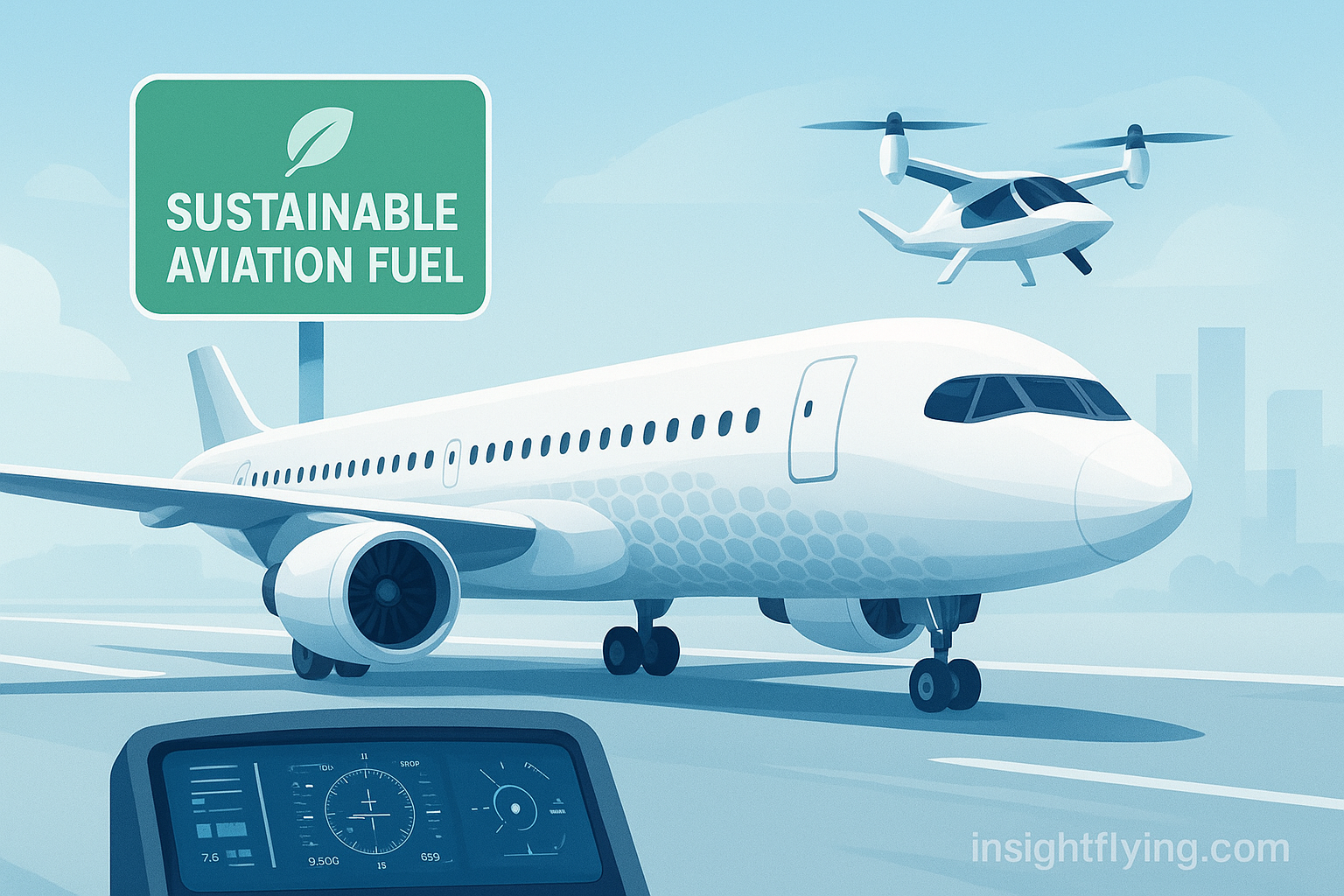
Aircraft New Technology
เทคโนโลยีใหม่ในอากาศยาน บทนำ การบินถือเป็นอุตสาหกรรมที่ผสมผสานระหว่างศาสตร์และศิลป์ของวิศวกรรม เทคโนโลยี และการจัดการอย่างซับซ้อน ตลอดกว่าศตวรรษที่ผ่านมา เทคโนโลยีการบินได้ก้าวหน้าอย่างไม่หยุดยั้ง จากยุคเครื่องบินไม้ผ้าใบ มาสู่เครื่องบินเจ็ตความเร็วสูง และในปัจจุบันกำลังเข้าสู่ยุคของความยั่งยืนและระบบดิจิทัล เทคโนโลยีใหม่ไม่เพียงแต่ทำให้การเดินทางปลอดภัยและสะดวกสบายขึ้น แต่ยังตอบโจทย์ความท้าทายด้านสิ่งแวดล้อมและต้นทุนการดำเนินงานที่สายการบินทั่วโลกต้องเผชิญ เทคโนโลยีสำคัญที่น่าจับตามอง 1. Sustainable Aviation Fuel (SAF)เชื้อเพลิงการบินที่ผลิตจากแหล่งพลังงานทดแทน เช่น พืชพลังงาน ของเสียอินทรีย์ หรือแม้กระทั่งน้ำมันใช้แล้ว SAF สามารถลดการปล่อยก๊าซเรือนกระจกได้ถึง 80% เมื่อเทียบกับ Jet A-1 เชื้อเพลิงแบบดั้งเดิม ปัจจุบันสายการบินใหญ่ ๆ เริ่มทยอยนำมาใช้มากขึ้น 2. More Electric Aircraft (MEA)แนวคิดการแทนที่ระบบไฮดรอลิกและนิวเมติกด้วยระบบไฟฟ้า เช่น ปั๊มไฮดรอลิกไฟฟ้า ระบบเบรกไฟฟ้า หรือแม้กระทั่งเครื่องยนต์เสริมพลังงานไฟฟ้า (Electric Taxiing) สิ่งนี้ช่วยลดน้ำหนัก ลดการซ่อมบำรุง และเพิ่มประสิทธิภาพการใช้พลังงาน 3. Composite Materialsโครงสร้างเครื่องบินยุคใหม่ เช่น Boeing 787 และ Airbus A350…
-
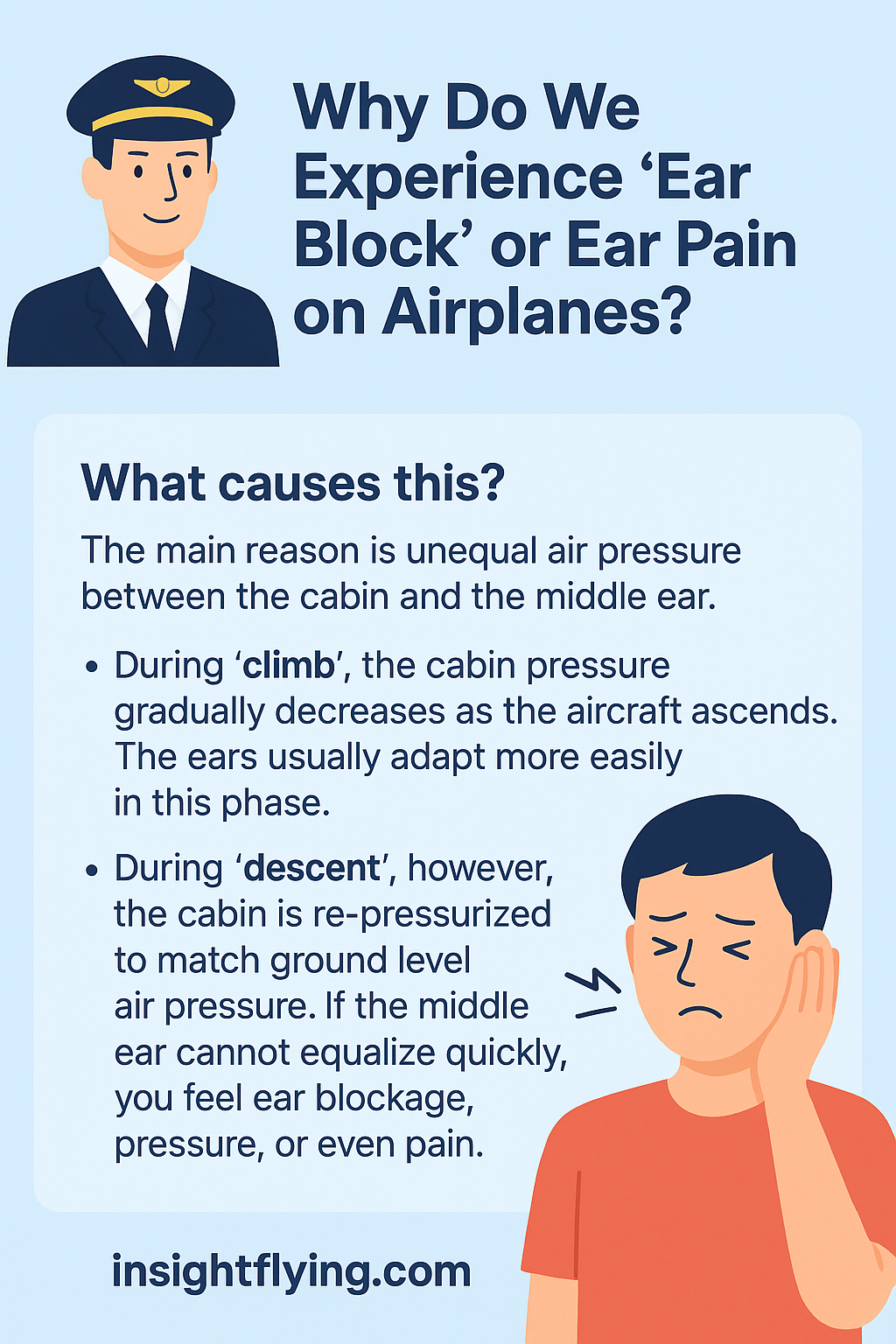
ทำไมขึ้นเครื่องบินแล้ว “หูอื้อ” หรือ “ปวดหู”
เพื่อนท่านหนึ่งเล่าให้ฟังว่า เวลาขึ้นเครื่องบินจากดอนเมืองไปอุดรฯ ช่วงเครื่องขึ้นรู้สึกหูอื้ออยู่สักพักแล้วหาย แต่ระหว่างทางกลับมีอาการหูอื้อและบางครั้งปวดแก้วหู จนกระทั่งเครื่องลงก็ยังไม่หาย ต้องใช้เวลาหลายชั่วโมงหลังถึงบ้านอาการจึงดีขึ้น ทั้งที่ปกติเคยบินก็ไม่เคยมีอาการรุนแรงแบบนี้ เกิดจากอะไร? อาการหูอื้อบนเครื่องบิน เกิดจาก ความดันอากาศระหว่างห้องโดยสารกับหูชั้นกลางไม่สมดุล กรณีที่เป็นรุนแรง เช่น ปวดมากหรือหูดับนาน ๆ อาจเรียกว่า Airplane Ear (Barotrauma) ซึ่งถ้าหนักอาจทำให้เยื่อแก้วหูบาดเจ็บหรือฉีกขาดได้ วิธีช่วยบรรเทาอาการ เมื่อใดควรไปพบแพทย์ ทำไมบางคนเป็น บางคนไม่เป็น? ขึ้นอยู่กับสภาพร่างกายและสุขภาพขณะนั้น เช่น ✈️ ในมุมของนักบิน ผมอยากให้ผู้โดยสารทุกท่านทราบว่า อาการหูอื้อบนเครื่องบินถือเป็นเรื่องปกติที่เกิดขึ้นได้ แต่ถ้าหนักผิดปกติ ควรใส่ใจและปรึกษาแพทย์ เพราะหูคืออวัยวะสำคัญที่เกี่ยวข้องกับการทรงตัวและการรับเสียง การดูแลให้พร้อมก่อนการเดินทาง จะช่วยให้การบินสบายและปลอดภัยยิ่งขึ้นครับ Why Do We Experience “Ear Block” or Ear Pain on Airplanes? A friend once asked me why, during a short…
-
สิ่งที่ผู้สัมภาษณ์นักบินต้องการเห็น
กระบวนการสอบคัดเลือกนักบิน โดยเฉพาะในกรณีของการบินไทย มีขั้นตอนที่แตกต่างจากสายการบินอื่นในบางประเด็น ขั้นตอนสุดท้ายคือ การประเมินโดยผู้เชี่ยวชาญด้านจิตวิทยาการบิน ซึ่งการบินไทยเลือกใช้ผู้เชี่ยวชาญจากแถบสแกนดิเนเวีย ผู้ที่ได้รับการยอมรับในระดับสากลและมีประสบการณ์ยาวนานในการคัดเลือกนักบิน ขั้นตอนนี้เป็นที่รู้จักกันอย่างไม่เป็นทางการว่า “การสอบกับ Professor” อย่างไรก็ตาม เนื่องจากมีผู้สมัครจำนวนมากในแต่ละปี การให้ทุกคนเข้าสอบกับ Professor ทันทีหลังการตรวจสุขภาพจะก่อให้เกิดค่าใช้จ่ายสูงอย่างมาก จึงมีความจำเป็นต้องมีกระบวนการ “คัดออก” ก่อน เพื่อกลั่นกรองผู้สมัครที่มีโอกาสผ่านเกณฑ์น้อยที่สุด ในขั้นตอนนี้ กัปตันของการบินไทยจะเป็นผู้สัมภาษณ์ แม้จะไม่ได้เป็นนักจิตวิทยามืออาชีพ แต่ก็สามารถช่วยคัดกรองผู้สมัครได้ในระดับหนึ่ง อย่างไรก็ดี การประเมินโดยกัปตันไม่สามารถสะท้อนความสามารถของผู้สมัครได้ครบถ้วนทั้งหมด ผู้สมัครบางรายอาจมีคุณสมบัติที่ดี แต่ถูกมองข้ามเพราะวันนั้นไม่สามารถแสดงศักยภาพได้เต็มที่ ด้วยเหตุนี้ ผู้ที่ไม่ผ่านรอบดังกล่าวจึงได้รับสิทธิ์ในการสมัครและเข้าสอบใหม่อีกครั้ง เพื่อให้การคัดเลือกมีความแม่นยำมากขึ้น กัปตันผู้ทำหน้าที่สัมภาษณ์จึงได้รับการอบรมจาก Professor โดยตรง เพื่อเรียนรู้หลักการประเมินบุคลิกภาพและคุณสมบัติพื้นฐานของผู้สมัคร ข้อแนะนำสำคัญที่ได้จากการอบรมคือ ผู้สมัครควร “แสดงตัวตนที่แท้จริง” ออกมาในการสัมภาษณ์ สิ่งนี้ไม่ได้หมายความว่าผู้สมัครต้องเสแสร้งเพื่อสร้างความประทับใจ เพราะหากกล่าวสิ่งที่ไม่ตรงกับความจริง ย่อมส่งผลเสียในภายหลัง ยกตัวอย่างเช่น หากถูกถามว่าเล่นดนตรีอะไรได้ และผู้สมัครตอบว่า “เล่นกีตาร์” ทั้งที่เล่นไม่เป็น อาจเกิดสถานการณ์ที่กรรมการหยิบกีตาร์ขึ้นมาขอให้ลองเล่น ซึ่งจะกลายเป็นการเปิดเผยความไม่จริงใจของผู้สมัครทันที นอกจากนี้ การกล่าวอ้างว่ามีทักษะที่ตนไม่เคยฝึกฝน เช่น “เล่นกลองเป็น” ก็อาจสะท้อนถึงความไม่พร้อมในการทำงานที่ต้องใช้การประสานประสาทสัมผัสหลายด้าน ซึ่งจะถูกตรวจสอบซ้ำในการทดสอบถัดไปอยู่แล้ว ดังนั้น…
-
ขั้นตอนการสอบสัมภาษณ์นักบิน
การเข้ารับการสอบสัมภาษณ์นักบิน การสอบคัดเลือกนักบินพาณิชย์ของสายการบินต่าง ๆ เป็นกระบวนการที่มีหลายขั้นตอน เพื่อประเมินความรู้ ความสามารถ บุคลิกภาพ และความพร้อมในการประกอบอาชีพที่มีความรับผิดชอบสูง กระบวนการโดยทั่วไปสามารถแบ่งออกได้เป็น 4 ขั้นตอนหลัก ดังนี้ 1. การสอบข้อเขียน ผู้สมัครจะต้องผ่านการทดสอบวิชาพื้นฐาน ได้แก่ คณิตศาสตร์ วิทยาศาสตร์ และภาษาอังกฤษ การสอบในขั้นนี้มีวัตถุประสงค์เพื่อประเมินความรู้ความเข้าใจด้านวิชาการที่จำเป็นต่อการเรียนการบินและการปฏิบัติการบินในอนาคต 2. การตรวจสุขภาพ ผู้สมัครจะต้องมีผลการตรวจสุขภาพตามมาตรฐานที่กำหนด โดยส่วนใหญ่จะเข้ารับการตรวจที่สถาบันเวชศาสตร์การบิน กรมแพทย์ทหารอากาศ หรือโรงพยาบาลที่สายการบินกำหนด ทั้งนี้เพื่อยืนยันว่าผู้สมัครมีสุขภาพร่างกายและจิตใจที่เหมาะสมต่อการปฏิบัติหน้าที่นักบิน 3. การสอบสัมภาษณ์ การสอบสัมภาษณ์ถือเป็นขั้นตอนที่สำคัญในการประเมินคุณสมบัติของผู้สมัคร โดยคณะกรรมการผู้สัมภาษณ์ (ซึ่งอาจเป็นนักบินอาวุโสหรือผู้แทนของสายการบิน) จะทำการประเมินทั้งด้านบุคลิกภาพ ทัศนคติ การสื่อสาร และความเหมาะสมต่อการทำงานในองค์กรการบินพาณิชย์ 4. การสอบความถนัด (Aptitude Test) การทดสอบความถนัดจะมีรูปแบบแตกต่างกันไปตามแต่ละสายการบิน โดยมีจุดประสงค์เพื่อวัดศักยภาพทางด้านสติปัญญา การคิดวิเคราะห์ การตัดสินใจ และความสามารถในการทำงานภายใต้สภาวะกดดัน บางสายการบิน เช่น การบินไทย จะดำเนินการสอบโดยนักจิตวิทยาผู้เชี่ยวชาญจากต่างประเทศ การบรรจุและเงื่อนไขทุนการบิน ผู้ที่ผ่านการคัดเลือกครบทุกขั้นตอนจะได้รับทุนการฝึกนักบิน (Student Pilot หรือ Cadet…