

by Captain Sopon Phikanesuan
Business email: admin@insightflying.com
Support this website

ชีวิตนักบินไม่ได้เริ่มตอนเครื่องออก แต่เริ่มตั้งแต่ก่อนฟ้าสาง
หลายคนมองอาชีพนักบินผ่านภาพในโฆษณา
ยูนิฟอร์มเรียบ เท่ห์ เดินผ่านสนามบินอย่างมั่นใจ
แต่สิ่งที่ไม่ค่อยมีใครพูดถึง คือ “ชีวิตจริงก่อนเที่ยวบิน” โดยเฉพาะเที่ยวบินเช้า
ลองนึกภาพเที่ยวบินที่ออกเวลา 06:00 น.
สำหรับผู้โดยสาร นั่นอาจหมายถึงการตื่นตีสี่ รีบไปสนามบิน
แต่สำหรับนักบิน การทำงานวันนั้นเริ่มเร็วกว่านั้นมาก
เที่ยวบินหกโมงเช้า นักบินตื่นกี่โมง?
โดยทั่วไป นักบินต้อง รายงานตัว (report for duty) ประมาณ 60–90 นาที ก่อนเวลาเครื่องออก
หากเป็นสนามบินใหญ่ หรือเที่ยวบินระหว่างประเทศ เวลาเตรียมตัวอาจนานกว่านั้น
ดังนั้น เที่ยวบิน 06:00 น.
เวลารายงานตัวอาจอยู่ที่ 04:30 น.
แต่การรายงานตัวไม่ใช่เวลาที่นักบินตื่น
นักบินต้องเผื่อเวลาให้กับ
- การตื่นนอน
- การเตรียมร่างกาย
- การเดินทางไปสนามบิน
- การตรวจสอบสภาพร่างกายและความพร้อม
ในความเป็นจริง นักบินจำนวนมากต้อง ตื่นตั้งแต่ประมาณ 02:30–03:00 น.
และนั่นคือ ถ้าคืนนั้น “นอนหลับได้ตามแผน”
การนอนของนักบิน ไม่ได้วัดแค่จำนวนชั่วโมง
หนึ่งในความท้าทายที่สุดของอาชีพนักบิน คือ
การทำงานที่ไม่เป็นเวลา (irregular schedule)
- วันนี้บินเช้า
- พรุ่งนี้บินดึก
- อีกวันบินข้ามคืน
- สัปดาห์หน้าเปลี่ยนโซนเวลา
ร่างกายมนุษย์ถูกออกแบบให้มีนาฬิกาชีวิต (circadian rhythm)
แต่งานของนักบินกลับบังคับให้ต้อง “ฝืน” นาฬิกานั้นอยู่เสมอ
นักบินจึงไม่สามารถวัดความพร้อมแค่
“นอนกี่ชั่วโมง”
แต่ต้องดูว่า
- นอนช่วงเวลาใด
- หลับลึกหรือไม่
- ตื่นมาพร้อมหรือยัง
- มีความล้า (fatigue) สะสมหรือไม่
นี่คือเหตุผลที่อุตสาหกรรมการบินให้ความสำคัญกับ Fatigue Risk Management (FRM) อย่างจริงจัง
“Dark Side of Aviation” is available in Apple Books

เรื่องกิน… ไม่ใช่เรื่องเล็กของนักบิน
ผู้โดยสารอาจเลือกกินเมื่อไหร่ก็ได้
แต่นักบินต้อง วางแผนการกินล่วงหน้าเสมอ
เหตุผลไม่ใช่เรื่องความหิวอย่างเดียว แต่เกี่ยวข้องกับ
- สมาธิ
- ระดับน้ำตาลในเลือด
- อาการง่วง
- ระบบย่อยอาหารในสภาวะแรงดันอากาศ
เที่ยวบินเช้า นักบินบางคนต้องกิน “มื้อแรกของวัน” ตั้งแต่ตีสาม
บางคนเลือกไม่กินหนัก เพื่อหลีกเลี่ยงอาการง่วงหรือไม่สบายท้อง
บางวัน ไม่มีเวลาพักจริง ๆ จนกว่าจะถึงปลายทาง
การกินของนักบินจึงไม่ใช่เรื่องตามใจ
แต่เป็นส่วนหนึ่งของ การบริหารความพร้อมในการทำงาน (fitness for duty)
ทำงานในเวลาที่คนอื่นพัก

ในขณะที่คนส่วนใหญ่นอน
นักบินจำนวนมากกำลัง
- เตรียมแผนการบิน
- วิเคราะห์สภาพอากาศ
- ตรวจสอบ NOTAM
- คำนวณเชื้อเพลิง
- และรับผิดชอบชีวิตของผู้โดยสารหลายร้อยคน
และเมื่อเที่ยวบินจบ
ก็ไม่ได้แปลว่างานจบเสมอไป
บางวันต้องพักในโรงแรมที่ต่างประเทศ
นอนกลางวัน ตื่นกลางคืน
ใช้ชีวิตสวนกับโลกภายนอก
นี่คืออีกด้านของคำว่า “อาชีพในฝัน”
อาชีพนักบินเป็นอาชีพที่น่าภูมิใจ
แต่ไม่ใช่อาชีพที่สบาย
มันต้องแลกด้วย
- เวลา
- สุขภาพ
- วินัย
- และความเข้าใจในขีดจำกัดของตนเอง
คนที่บินได้ดี ไม่ใช่แค่คนที่ควบคุมเครื่องเก่ง
แต่คือคนที่ บริหารชีวิตตัวเองได้ดีพอ
จะตื่นเมื่อไหร่ กินอย่างไร พักตอนไหน และหยุดเมื่อควรหยุด
เพราะบนฟ้า
ไม่มีพื้นที่สำหรับความล้า…
แม้เพียงเล็กน้อย
eBook at Kobo “Aviation Safety Management System.”

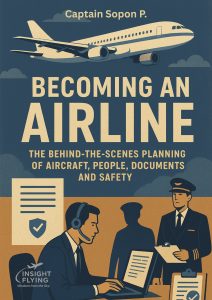
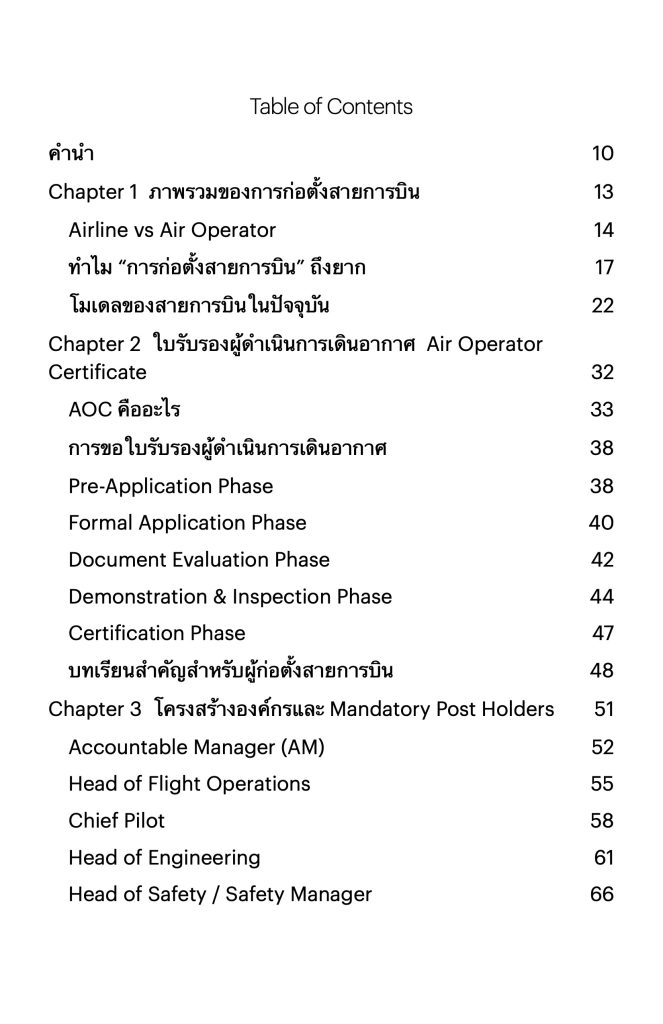
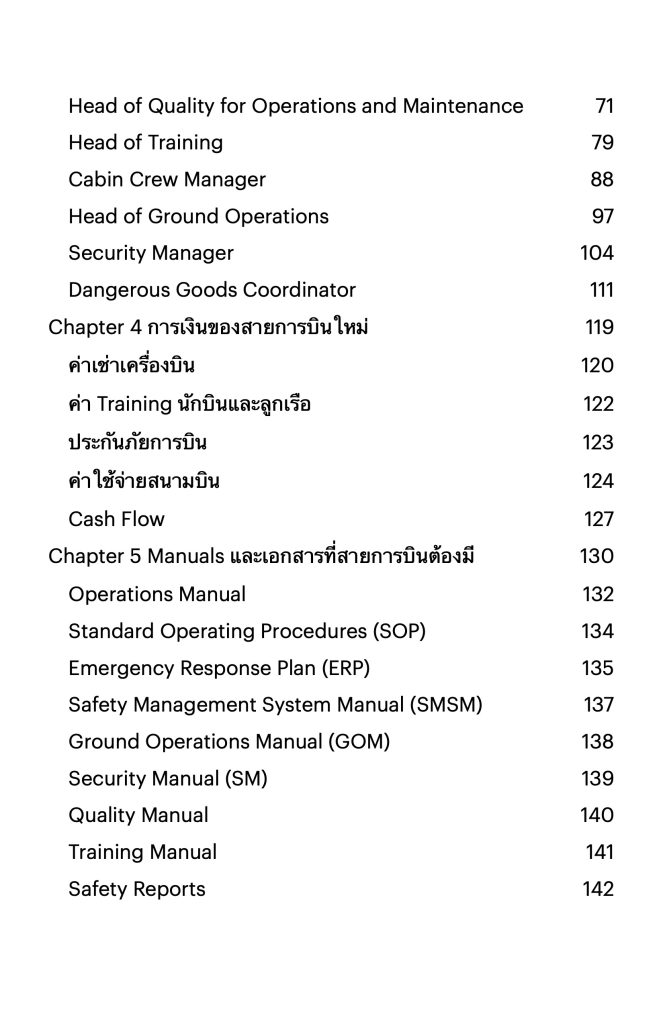
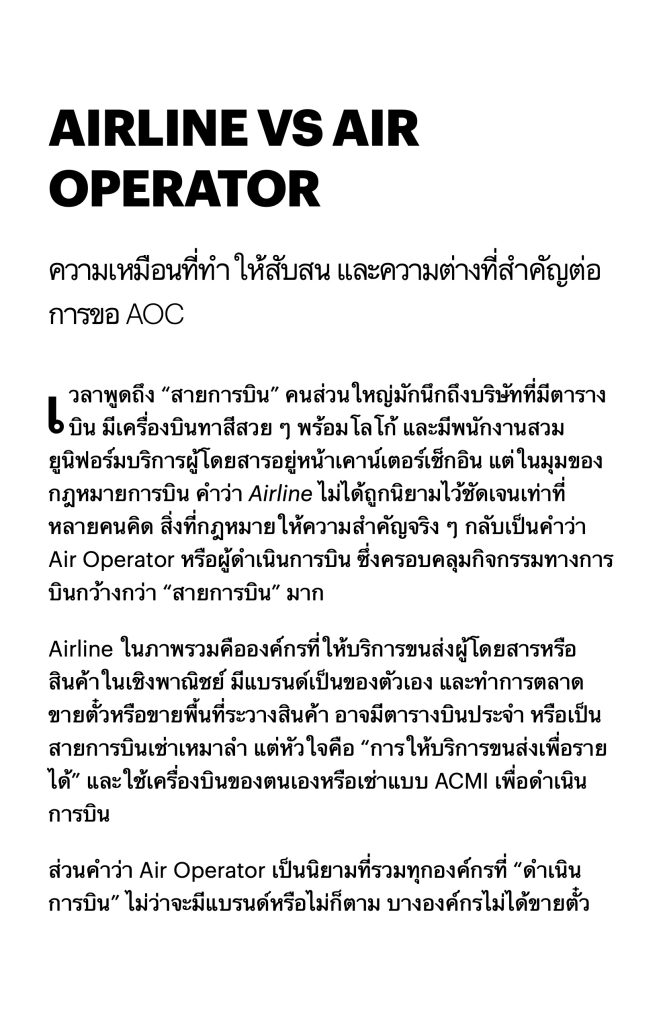
ซื้ออีบุ๊ค “Becoming an Airline” “กว่าจะเป็นสายการบิน” คลิ๊กที่นี่



|
|
หนังสือการบิน ทางลัดสู่ความเข้าใจที่นำไปใช้งานจริง

|
|

|
|


|
|
|
|

|
|
accident Airbus aircraft airline airmanship aviation Aviation SMS become a captain become a pilot Boeing captain Crisis Crisis Management diversion emergency engine fatigue flight safety flood go-around hydroplane Indigo interview judgement management motivation pilot pilot interview qualified pilot safety Safety Management System safety report self-knowledge SMS student pilot technology turbulence weather weather radar การจัดการภาวะวิกฤติ การบิน การสอบสัมภาษณ์ นักบิน ระบบบริหารความปลอดภัย สอบนักบิน
ขายดีที่สุด
|
|
|

The other side of a “Dream Job”
The Hidden Hardships of Flying: A Pilot’s Day Starts Long Before Takeoff
When people think of a pilot’s life, they often picture a polished uniform, confidence, and the glamour of travel.
What is rarely discussed is the reality behind the scenes—especially when it comes to early morning flights.
Consider a flight scheduled to depart at 06:00 AM.
For passengers, this may mean waking up at 4:00 AM and rushing to the airport.
For pilots, however, the workday begins much earlier.
A 6:00 AM Departure: What Time Does a Pilot Wake Up?
Pilots typically report for duty 60–90 minutes before departure.
At major airports or on international flights, preparation time can be even longer.
For a 06:00 AM flight, report time is often around 04:30 AM.
But reporting time is not wake-up time.
Pilots must allow time for:
- Waking up and personal preparation
- Assessing physical and mental readiness
- Traveling to the airport
- Ensuring full alertness before duty begins
In reality, many pilots wake up around 02:30–03:00 AM for an early departure—assuming they were able to sleep properly the night before.
Pilot Sleep Is Not Just About Hours Logged
One of the most difficult aspects of being a pilot is the irregular work schedule.
- Early mornings today
- Late-night flights tomorrow
- Overnight sectors the next day
- Time-zone changes the following week
The human body is designed around a circadian rhythm, yet a pilot’s job frequently requires working against it.
As a result, pilot readiness cannot be measured simply by asking,
“How many hours did you sleep?”
More important questions are:
- When did you sleep?
- Was the sleep deep and restorative?
- How do you feel upon waking?
- Is there accumulated fatigue?
This is why modern aviation places strong emphasis on Fatigue Risk Management (FRM).
Meal Planning: A Critical but Overlooked Factor
Passengers eat when it is convenient.
Pilots must plan meals strategically.
This is not just about hunger—it directly affects:
- Concentration and cognitive performance
- Blood sugar stability
- Alertness levels
- Digestive comfort in a pressurized environment
On early morning flights, some pilots eat their first meal at 3:00 AM.
Others deliberately avoid heavy meals to prevent drowsiness or discomfort.
There are days when a proper meal is not possible until after landing.
For pilots, eating is not a personal preference—it is part of fitness for duty.
Working While the World Sleeps
While most people are asleep, pilots may be:
- Reviewing weather systems
- Studying NOTAMs
- Calculating fuel and performance data
- Preparing contingency plans
All of this happens before passengers even arrive at the airport.
And when the flight ends, the work does not always end with it.
Layovers in foreign cities, sleeping during daylight hours, and living out of sync with local time are routine parts of the job.
The Other Side of a “Dream Job”
Flying is a privileged and respected profession—but it is not an easy one.
It demands sacrifices in:
- Time
- Health
- Personal routines
- Self-discipline
A good pilot is not defined only by technical flying skills.
A good pilot is someone who can manage themselves—knowing when to sleep, when to eat, when to push, and when to stop.
Because in the sky,
there is no margin for fatigue—
not even a small one.
accident Airbus aircraft airline airmanship aviation Aviation SMS become a captain become a pilot Boeing captain Crisis Crisis Management diversion emergency engine fatigue flight safety flood go-around hydroplane Indigo interview judgement management motivation pilot pilot interview qualified pilot safety Safety Management System safety report self-knowledge SMS student pilot technology turbulence weather weather radar การจัดการภาวะวิกฤติ การบิน การสอบสัมภาษณ์ นักบิน ระบบบริหารความปลอดภัย สอบนักบิน