
by Captain Sopon Phikanesuan
Business email: admin@insightflying.com
Support this website

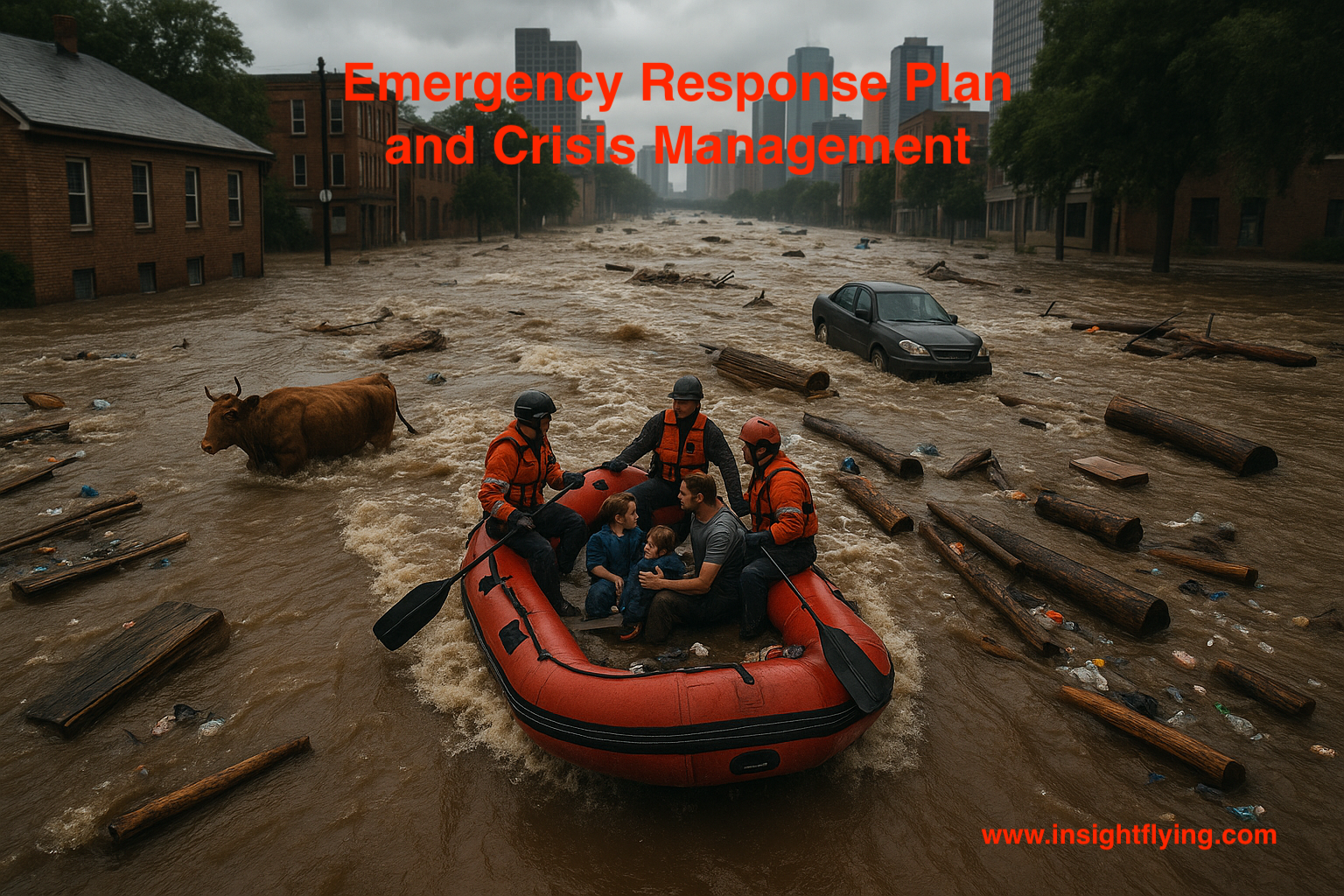
(จากมุมมอง ERP และ Crisis Management สำหรับองค์กรด้านการบิน)
อุทกภัยเป็นหนึ่งในเหตุการณ์วิกฤติที่ “คาดการณ์ได้ล่วงหน้า” มากที่สุด แต่ทุกปีผลกระทบกลับไม่เหมือนกัน เพราะขึ้นอยู่กับความพร้อม การสื่อสาร และการประสานงานขององค์กร
ด้านล่างนี้คือบทเรียนสำคัญที่สกัดจากการปฏิบัติจริงและหลักการ ERP & Crisis Management
1) ต้องมี Trigger ที่ชัดเจนสำหรับการแจ้งเตือนล่วงหน้า (Early Detection)
บทเรียน: หลายองค์กรรับมือช้า เพราะไม่กำหนดเกณฑ์การประกาศเตือนที่ชัดเจน
ควรทำ:
- กำหนด ตัวชี้วัดน้ำท่วม เช่น ปริมาณฝน 24 ชม., ระดับน้ำแม่น้ำ, ความสามารถของระบบระบายน้ำ
- Dispatcher / Duty Manager ต้องมี SOP ในการ escalate ทันที
- การรอ “ข้อมูลครบถ้วนก่อน” มักทำให้เสียเวลาอันมีค่า
เหตุผล: น้ำท่วมเกิดแบบค่อยเป็นค่อยไป → มีเวลาเตรียมตัว ถ้าตรวจจับเร็วพอ
2) ความล้มเหลวด้านการสื่อสาร คือรากเหง้าของปัญหาเกือบทุกวิกฤติ
บทเรียน: เมื่อมีน้ำท่วม ระบบการสื่อสารหลายช่องทางมักล่มหรือขัดข้อง
ควรปรับปรุง:
- เตรียม ช่องทางสำรอง (Primary + Backup)
- ทำ Flood Situation Board อัปเดตทุก 30–60 นาที
- ให้ทุกฝ่าย (Ops, Engineering, Facilities, Airport Authority) เห็นข้อมูลสถานการณ์เดียวกัน
เหตุผล:
ในวิกฤติ ความสามารถไม่สำคัญเท่า การมีข้อมูลร่วมกันแบบ Real-Time
3) การเข้าถึงสถานที่ (Access) เป็น Pain Point ใหญ่ในน้ำท่วม
บทเรียน: เส้นทางหลักถูกปิด น้ำท่วมบ้านพนักงาน หรือขาดรถสาธารณะ ทำให้เจ้าหน้าที่ไปทำงานไม่ได้
สิ่งที่ ERP ควรระบุชัด:
- ตำแหน่งงานที่ต้องอยู่ onsite (OCC, ATC, ARFF, Engineering)
- มี ยานพาหนะสำรอง เช่น รถ 4×4, เรือ, หรือ carpool
- เตรียม พื้นที่พักผ่อน สำหรับพนักงานที่ต้องอยู่ต่อเนื่อง 24–48 ชม.
เหตุผล:
ERP ต้องคำนึงว่า น้ำท่วมกระทบ “คน” ก่อนจะกระทบ “ระบบ”

|
|
4) ต้องปกป้องอุปกรณ์สำคัญทางเทคนิคเป็นลำดับแรก
บทเรียน: ห้องเซิร์ฟเวอร์ ตู้ไฟ ระบบปั๊มน้ำมัน และสายสื่อสารมักเสียหายจากน้ำ เพราะไม่ถูกยกสูงหรือป้องกันไว้ก่อน
สิ่งที่ควรทำ:
- ยก Server / UPS / ตู้ควบคุมให้อยู่เหนือระดับน้ำ
- เตรียมแนวกั้นน้ำและถุงทรายไว้ก่อนฤดูฝน
- ทดสอบระบบปั๊มและไฟสำรอง
- ระบุ “พื้นที่ปลอดภัย” สำหรับย้ายอุปกรณ์
เหตุผล:
ถ้าระบบไฟ + สื่อสารรอด = องค์กรยังรักษา 70% ของศักยภาพการปฏิบัติการได้
5) การประกาศ Crisis Level มักช้าเกินไป
บทเรียน: หลายองค์กรมี mindset ว่า “เราน่าจะเอาอยู่” จึงไม่ยอมประกาศวิกฤติ
ผลที่เกิดขึ้น:
- ไม่มีการบัญชาการรวมศูนย์
- แผนกต่าง ๆ ทำงานไม่พร้อมเพรียง
- การตัดสินใจล่าช้า
ควรทำ:
- กำหนด ระดับวิกฤติ (Flood Crisis Level 1–3) ล่วงหน้า
- ให้อำนาจ Duty Manager / Director สามารถประกาศได้ทันที
เหตุผล:
ประกาศเร็ว ≠ ตื่นตระหนก
ประกาศช้า = รับมือไม่ทัน
6) การประสานงานกับหน่วยงานภายนอกต้องเตรียมก่อนเกิดวิกฤติ
น้ำท่วมต้องประสานกับ:
- อปท. และหน่วยงานท้องถิ่น
- ปภ.
- ท่าอากาศยาน
- ตำรวจ / กู้ภัย
- การทางพิเศษ / กรมทางหลวง
- ผู้ให้บริการยูทิลิตี้ (ไฟฟ้า ประปา)
บทเรียน:
วิกฤติไม่ใช่เวลามาสร้างความสัมพันธ์ใหม่
ข้อแนะนำ:
บันทึก รายชื่อผู้ประสานงาน (Liaison) ไว้ใน ERP พร้อมเบอร์สำรอง
7) ต้องดูแลพนักงานและครอบครัวพนักงานด้วย
บทเรียน: หากพนักงานกังวลบ้านตัวเองถูกท่วม → สมาธิในการทำงานจะลดลงทันที
สิ่งที่ควรมีในแผน:
- การอนุญาตให้ลางานฉุกเฉิน
- สนับสนุนที่พักชั่วคราวสำหรับครอบครัว
- อาหาร/น้ำสำหรับผู้ปฏิบัติงานแบบ extended shift
- รถรับส่งกรณีจำเป็น
เหตุผล:
องค์กรไม่สามารถเดินต่อได้ หาก “คน” ยังไม่ปลอดภัย

|
|
8) การสื่อสารกับสาธารณะต้องรวดเร็ว ชัดเจน และสม่ำเสมอ
บทเรียน: ข่าวลือแพร่เร็วมาก โดยเฉพาะเมื่อมีผลต่อเที่ยวบินหรือการเดินทาง
สิ่งที่ควรทำ:
- กำหนดรอบอัปเดตสถานการณ์ (ทุก 1–2 ชม.)
- ใช้แผนที่สภาพเส้นทางเข้าออกสนามบิน
- ให้ Crisis Communication Team เป็นแหล่งข้อมูล “แหล่งเดียว”
- ใช้ข้อความง่าย กระชับ มองเห็นภาพ
เหตุผล:
ความเชื่อมั่นของผู้โดยสารขึ้นอยู่กับ “ความชัดเจนของข้อมูล” มากกว่า “ความสมบูรณ์แบบของสถานการณ์”
9) แผนฟื้นฟู (Recovery) ต้องเริ่มร่างตั้งแต่วิกฤติยังไม่จบ
บทเรียน: หลายองค์กรรอให้น้ำลดค่อยคิด → ทำให้ล่าช้า
แนะนำให้มี:
- Recovery Lead ตั้งแต่วันแรกของวิกฤติ
- แผนฟื้นฟูเป็นเฟส เช่น
- Phase 1: ตรวจสอบความปลอดภัย
- Phase 2: เปิดระบบสำคัญ
- Phase 3: กลับสู่การปฏิบัติการ
- Phase 4: ทบทวนบทเรียนและปรับปรุง ERP
ร่วมสนับสนุนเว็บไซต์
We need your support
10) ต้องทำ After-Action Review (AAR) ทันทีหลังเหตุการณ์
บทเรียน: องค์กรจำนวนมากทำ AAR ช้าเกินไป → ข้อมูลสำคัญหายไป
ควรบันทึก:
- เกิดอะไรขึ้น
- อะไรทำได้ดี
- อะไรล้มเหลว
- แก้ไขเร่งด่วนข้อไหน
- ส่วนใดควรเพิ่มใน ERP
- จุด trigger ใดควรปรับให้ชัดเจนขึ้น
เหตุผล:
น้ำท่วมเกิดทุกปี →
องค์กรที่ “เรียนรู้ทุกปี” = มีความยืดหยุ่นสูง
องค์กรที่ “ผิดซ้ำทุกปี” = เสี่ยงพังซ้ำ
สรุปบทเรียนสำคัญ
- แจ้งเตือนล่วงหน้าด้วย Trigger ที่ชัด
- สื่อสารหลายช่องทาง และสื่อสารแบบ Real-Time
- ดูแลการเข้าถึงพื้นที่ของพนักงาน
- ป้องกันระบบไฟ/สื่อสาร/อุปกรณ์สำคัญก่อน
- ประกาศ Crisis Level ให้เร็ว
- ประสานงานภายนอกล่วงหน้า
- ดูแลพนักงานและครอบครัว
- อัปเดตข้อมูลสาธารณะอย่างสม่ำเสมอ
- วางแผนฟื้นฟูตั้งแต่ช่วงวิกฤติ
- ทำ AAR และอัปเดต ERP ทันทีหลังสถานการณ์คลี่คลาย
|
|
|
ร่วมสนับสนุนเว็บไซต์
We need your support
Lessons Learned from Flooding Events
(Applying ERP & Crisis Management Principles)
Flooding is one of the most recurrent and predictable crises in Thailand. Yet, every year the impact varies depending on preparedness, communication, and coordination. The following lessons learned are derived from actual crisis patterns and ERP/Crisis Management frameworks.
1) Early Detection Must Be Clear and Trigger-Based
Lesson: Many organizations react too late because there is no objective activation trigger.
What should be done:
- Define flood alert triggers (e.g., 24-hour rainfall > X mm, river level > threshold, drainage capacity < 60%, red/yellow warnings from TMD).
- Duty Managers / Dispatchers (พนักงานอำนวยการบิน) must have SOP to escalate the alert immediately.
- “Waiting for confirmation” often leads to loss of response time.
Why important: Floods develop gradually → You actually have time, if you detect early.
2) Communication Failure Is the #1 Root Cause of Escalation
Lesson: During floods, communication lines (internal chat groups, radios, or even physical access) often break down.
Required improvements:
- Establish multiple channels (Primary + Backup).
- Create Flood Situation Board updated every 30–60 minutes (even simple Google Sheet/Line broadcast works).
- Ensure cross-department visibility (Ops, Engineering, Facilities, Airport Authority).
Why important:
Most flood-time errors occur not because people lack capability, but because they lack shared situational awareness.
3) Physical Access Planning Is Critical
Lesson: Staff cannot reach the airport/office due to blocked highways, submerged local roads, or no public transport.
What ERP should include:
- Identify critical positions that must be on-site (e.g., OCC, ATC, Fire & Rescue).
- Pre-assign transportation backup (4×4 vehicles, boats, coordinated carpool routes).
- Prepare sleeping/resting areas for staff who must remain on-site for 24–48 hours.
Why important:
ERP must acknowledge that the crisis affects not only the facility but the people themselves.
4) Protecting Critical Equipment Is Often Overlooked
Lesson: Server rooms, power panels, fuel pumps, and comms lines are vulnerable.
Actions to prevent failures:
- Elevate key equipment (UPS, servers, radios, fuel control panels).
- Sandbags and water barriers must be pre-positioned before monsoon season.
- Ensure drainage pumps work and have backup power.
- Pre-identify “high ground” zones where equipment or vehicles can be relocated.
Why important:
If your comms + power survive, 70% of operational capability is preserved.
5) Crisis Command Center Activation Should Be Faster
Lesson: Many organizations hesitate to declare a crisis, thinking “เราพอเอาอยู่.”
This leads to:
- Delayed coordination
- No central command
- Multiple departments working inconsistently
Improvement:
- Pre-define Flood Crisis Levels (Level 1–3).
- Empower Duty Manager/Director to declare without waiting for top management.
Why important:
Declaring early ≠ overreacting
Declaring late = guaranteed chaos
6) Stakeholder Coordination Must Be Pre-Empowered
Flood management requires coordination with:
- Local municipalities
- Provincial disaster command (ปภ.)
- Airport Authority
- Highways / Police
- Neighboring operators
- Airlines / Ground handlers
- Utility providers
Lesson:
In floods, you cannot “build relationships” on the spot.
Action:
Have pre-agreed contact lists and liaison roles in ERP.
7) Staff & Family Support Is Mandatory
Floods affect your employees’ homes, families, and mobility.
Lesson: If staff are stressed about their own home situation, operational performance declines.
Improvement:
- Immediate allowance for emergency leave
- Temporary accommodation for families
- Facilitate transport or relocation support
- Provide food/water for staff on extended shifts
Why important:
An organization cannot operate if its people are not personally safe.
8) Public Communication Must Be Timely and Consistent
Floods often disrupt:
- Flight schedules
- Airport access
- Road connectivity
- Service timelines
Lesson:
Silence creates frustration; misinformation spreads quickly.
Improve by:
- Providing predictable update intervals (e.g., every 1–2 hours)
- Sharing simple and visual updates (maps showing closed roads, alternate routes)
- Using one consistent source (Crisis Communication Team)
Why important:
Passenger trust depends on communication clarity, not perfection.
9) Post-Flood Recovery Must Be Planned During the Crisis
Lesson: Most organizations “wait until the water recedes” before planning recovery.
This causes delays such as:
- Aircraft repositioning
- Staff return
- Restarting utilities
- Reopening terminals
- Documentation backlog
Action:
- During the crisis → assign a Recovery Lead
- Prepare a phased Recovery Plan:
- Phase 1: Safety checks
- Phase 2: Restart critical operations
- Phase 3: Normal operations
- Phase 4: Debrief + ERP revision
10) After-Action Review (AAR) Must Be Documented Immediately
Lesson: Experience is lost if not documented.
Use AAR template:
- What happened
- What went well
- What failed
- What needs immediate repair
- What must be added to ERP
- Which KPI or threshold should be updated
Why important:
Flooding happens every year →
Organizations that learn every year = resilient.
Organizations that repeat mistakes every year = vulnerable.
Summary of Key Lessons
- Early warning triggers prevent surprise.
- Redundant communication prevents chaos.
- Staff access + wellbeing = operational continuity.
- Protect critical systems first.
- Declare a crisis early.
- Build stakeholder coordination BEFORE the crisis.
- Support staff families.
- Communicate frequently and simply.
- Plan recovery while still in crisis.
- Capture lessons learned immediately.


|
|
หนังสือการบิน ทางลัดสู่ความเข้าใจที่นำไปใช้งานจริง
|
|
|
|
|
|


|
|

|
|

|
|
A350 accident Airbus aircraft airline airmanship airworthiness aviation Aviation SMS become a captain become a pilot Boeing captain CAT Crisis Crisis Management emergency engine ERP fatigue flight safety go-around Indigo interview management pilot qualified pilot safety safety management Safety Management System SMS student pilot technology training travel tips turbulence weather weather radar wet runway การจัดการความปลอดภัย การบิน การสอบสัมภาษณ์ ความปลอดภัย นักบิน สอบนักบิน
ขายดีที่สุด
|
|
|