

ย้อนกลับไปก่อนเข้าสู่เส้นทางนักบินฝึกหัด การสอบคัดเลือกนักเรียนทุนในอดีตมีข้อกำหนดบางอย่างแตกต่างจากปัจจุบัน เช่น อายุและความสามารถด้านภาษาอังกฤษ แต่หลักการทั่วไปคือ ปริญญาตรีสาขาใดก็ได้
เพื่อนร่วมรุ่นของผมจบมาหลากหลายสาขา ตั้งแต่สัตวแพทย์ วิศวกรรม สถาปัตยกรรม นิเทศศาสตร์ ฯลฯ
ขั้นตอนการสอบคัดเลือก (ปี 1992)
การสอบแบ่งเป็น 5 ขั้นตอนหลัก ดังนี้
- สมัครและตรวจคุณสมบัติ
- ข้อกำหนดสมัยนั้นคือ หากผ่านทุกขั้นตอนแล้ว จะไม่สามารถสมัครสอบใหม่อีกในชีวิตนี้
- ปัจจุบันมีการเปลี่ยนแปลง เช่น ต้องรอ 3–5 ปี ขึ้นอยู่กับขั้นตอนที่ผ่าน
- สอบข้อเขียน
- วิชาคณิตศาสตร์ วิทยาศาสตร์ และภาษาอังกฤษ
- ปัจจุบันมีการเพิ่ม aptitude test เพื่อวัดความถนัดด้านต่าง ๆ เช่น short-term memory, spatial orientation, multi-tasking
- ตรวจร่างกาย
- ทำที่สถาบันเวชศาสตร์การบิน กองทัพอากาศ
- สอบสัมภาษณ์กับกัปตันการบินไทย
- รอบนี้สำคัญมากสำหรับวัด บุคลิกภาพ ความมั่นใจ และความรู้ทั่วไป
- ตัวผมเองเคยตอบคำถามกัปตันไม่รู้เรื่องเครื่องบินเลย แต่โชคดีที่สามารถอธิบายสิ่งที่เขียนในใบสมัคร เช่น sense of direction ได้ถูกจุด
- Aptitude Test สุดท้าย (สอบ “professor”)
- ทำกับนักจิตวิทยาจาก Scandinavian Institute of Aviation Psychology (SIAP)
- การสอบแบ่งเป็น 2 วัน: paper test และสอบตัวต่อตัว
- รอบนี้วัดทั้ง ความจำ, พื้นฐานพฤติกรรมทางสังคม, spatial orientation, การแก้ไขสถานการณ์กะทันหัน
ประสบการณ์ของผม
ตอนสอบสัมภาษณ์ในขั้นตอนที่ 4 ผมไม่มีความมั่นใจเลย เพราะไม่เคยรู้เรื่องเครื่องบินมาก่อน กัปตันถามเกี่ยวกับเครื่องบิน ผมตอบไม่ถูก แต่โชคดีที่สามารถอธิบายเรื่อง ทิศทางและการอ่านแผนที่ ได้อย่างมั่นใจ ซึ่งตรงกับการวัด Spatial Orientation ของนักบิน
การสอบรอบสุดท้ายถือเป็น ด่านหิน สำหรับทุกคน แต่ผมกลับสนุกมาก เพราะได้เรียนรู้ว่าอาชีพนักบินนั้นมีมิติให้ศึกษามากมาย
จากกว่าพันคนที่สมัคร รอบสุดท้ายมีผู้ผ่านเพียง 14 คน
ใคร ๆ ก็บินได้จริงหรือ?
คำตอบสั้น ๆ คือ ไม่ใช่ทุกคน
แม้ทุกคนจะมีความฝัน แต่การเป็นนักบินต้องผ่าน การคัดเลือกเข้มข้นหลายชั้น ทั้งด้านร่างกาย ความรู้ ความสามารถเฉพาะด้าน และทัศนคติ
ประสบการณ์และการสอบรอบต่าง ๆ สอนให้รู้ว่า การเป็นนักบินพาณิชย์ไม่ใช่เรื่องง่าย และไม่ใช่ใครก็ทำได้เหมือนกัน
Becoming a Commercial Pilot: Can “Anyone Fly” Really Be True?
Before stepping into pilot training, candidates for the student pilot scholarship faced a rigorous selection process. While the exact requirements have changed over time—such as age limits and English proficiency—the core principle remains: a bachelor’s degree in any field is acceptable.
In my cohort, classmates came from diverse backgrounds: veterinary science, engineering, architecture, communication arts, and more.
The Selection Process (Back in 1992)
The selection process consisted of five main stages:
- Application and Eligibility Check
- At that time, once you completed all stages, you were not allowed to reapply in your lifetime.
- Today, the rules vary; you may need to wait 3–5 years depending on how far you progressed in the previous attempt.
- Written Exam
- Covered mathematics, science, and English.
- Modern tests often include aptitude assessments, measuring short-term memory, spatial orientation, and multitasking skills.
- Medical Examination
- Conducted at the Air Force Institute of Aviation Medicine.
- Interview with Thai Airways Captains
- This stage evaluates personality, confidence, and general knowledge.
- I remember struggling to answer technical questions about aircraft, but I could explain my claim of “sense of direction” in my application, which reflected my ability to read maps and navigate confidently in unfamiliar terrain.
- Final Aptitude Test (“Professor Test”)
- Conducted by psychologists from the Scandinavian Institute of Aviation Psychology (SIAP).
- Lasted two days: a paper-based test and one-on-one interviews.
- Assessed memory, social behavior, spatial orientation, stress response, and problem-solving skills.
My Experience
During the fourth stage interview, I felt completely unprepared because I had no prior knowledge of aircraft. But I managed to explain my sense of direction confidently, which aligned with the evaluation of spatial orientation—an essential skill for pilots.
The final “professor” stage was the toughest yet most fascinating part of the process. It revealed how multidimensional a pilot’s role really is, far beyond just flying an airplane.
From over a thousand initial applicants, only 14 candidates successfully made it through to the end.
Can Anyone Really Become a Pilot?
The short answer is no.
While many people dream of flying, becoming a commercial pilot requires passing multiple rigorous assessments of physical ability, knowledge, specific skills, and attitude.
The experience and evaluation at each stage underscore an essential truth: being a commercial pilot is challenging, and not everyone can do it.
Key Takeaways for Aspiring Pilots
- Solid Foundations Matter: Mathematics, physics, and English form the backbone of aviation knowledge.
- Continuous Learning is Essential: Aviation rules, technologies, and procedures evolve constantly; a pilot must never stop studying.
- Discipline and Resilience: The journey is long and demanding, but perseverance shapes a professional pilot.
- The Right Mindset: A great pilot is measured not by rank or aircraft type but by professionalism, teamwork, and prioritizing safety at all times.
✈️ “Flying is a dream, but becoming a pilot is a journey. It requires preparation, focus, and resilience. Few will reach the cockpit, but every challenge along the way is part of the adventure.”
-
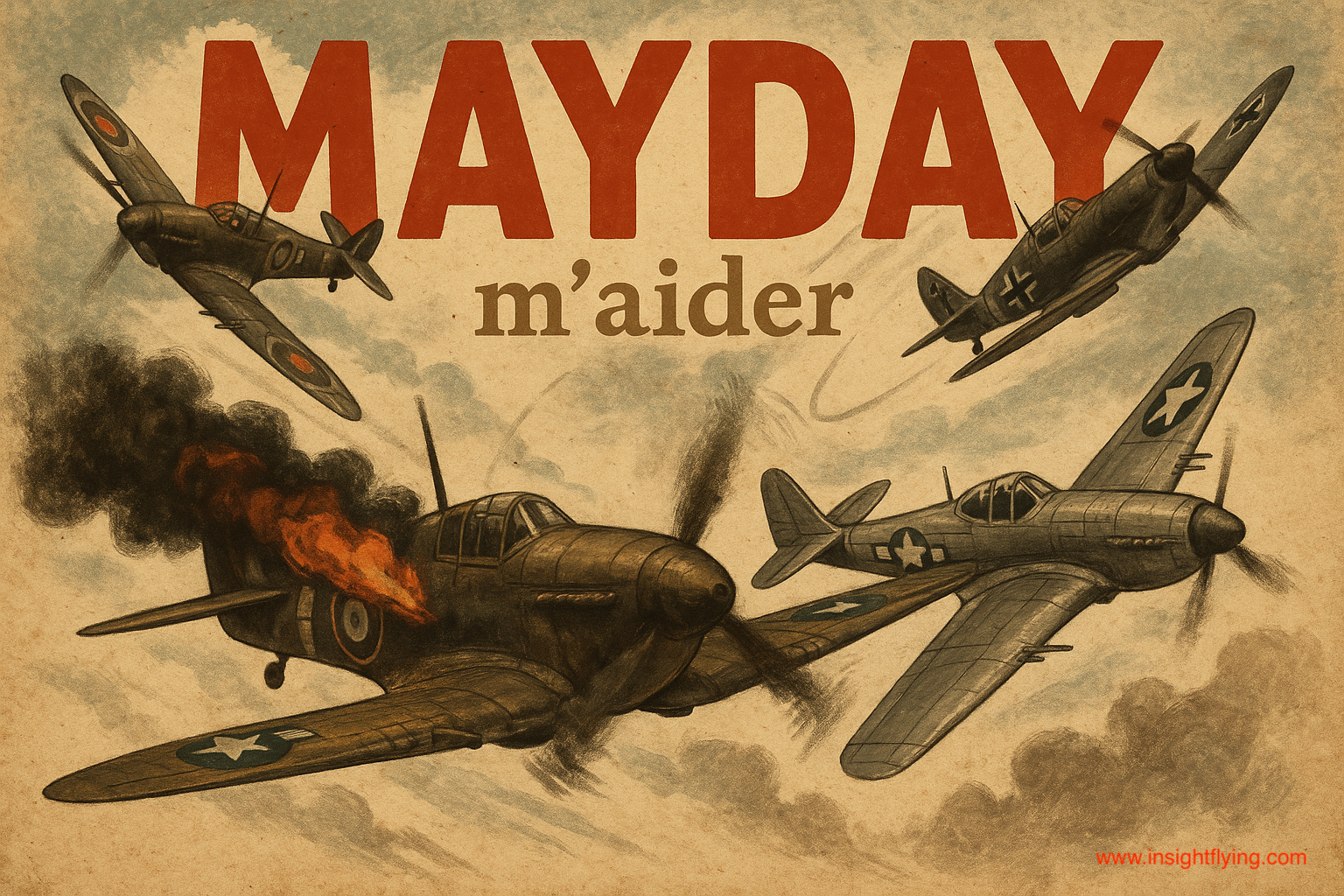
Mayday คืออะไร? ทำไมคำนี้สำคัญมากในโลกการบิน
(บทความความรู้ทั่วไป – เข้าใจง่าย) Click here for ENG version เวลาได้ยินคำว่า “Mayday” หลายคนอาจนึกถึงฉากในหนังที่นักบินตะโกนใส่วิทยุ เครื่องบินสั่นไหว และมีเสียงไซเรนดังขึ้นแต่ในโลกความจริง คำนี้มีความหมายลึกซึ้งกว่านั้นมาก “Mayday” คือคำแจ้งเหตุฉุกเฉินระดับสูงสุดที่ใช้กันทั่วโลกทั้งในอากาศและทางทะเล เพื่อให้หน่วยควบคุมหรือหน่วยกู้ภัยรู้ทันทีว่ามีชีวิตกำลังตกอยู่ในอันตราย และต้องได้รับความช่วยเหลือด่วนที่สุด บทความนี้อธิบายแบบง่าย ๆ แต่ครบถ้วน ว่า Mayday คืออะไร ใช้เมื่อไหร่ ใช้อย่างไร และทำไมมันจึงถูกสร้างขึ้นมาเพื่อช่วยชีวิตนับล้าน 1. Mayday คืออะไร? Mayday คือ คำเรียกขอความช่วยเหลือในสถานการณ์ฉุกเฉินร้ายแรงที่สุดหมายถึงมีอันตรายถึงชีวิต ทั้งผู้โดยสาร ลูกเรือ หรือความปลอดภัยของอากาศยาน คำนี้มาจากภาษาฝรั่งเศส “m’aidez” (เม-เด) แปลว่า “ช่วยฉันด้วย”และถูกกำหนดให้ใช้เป็นสัญญาณสากลตั้งแต่ปี 1920s เพื่อให้ทุกประเทศ เข้าใจตรงกันบนคลื่นวิทยุ 2. นักบินใช้ Mayday เมื่อไหร่? จะประกาศ Mayday เมื่อเหตุการณ์นั้นเป็นภัยคุกคาม ทันทีและรุนแรง เช่น: เหตุฉุกเฉินที่คุกคามชีวิต สาเหตุภายนอก…
-
10 Management Fails in Aviation SMS
10 Management Failures in Aviation SMS Safety Management System (SMS) is not just a regulatory requirement under ICAO Annex 19. It is a management system that must be actively led, enabled, and modelled by the organization’s leadership. Many aviation organizations invest heavily in documentation, training, and compliance audits — yet still struggle to reduce operational…
-
10 ความล้มเหลวของผู้บริหารในการบริหาร Aviation SMS
ระบบการจัดการด้านความปลอดภัย (Safety Management System – SMS) ไม่ใช่เพียงข้อกำหนดจาก ICAO Annex 19 หรือข้อบังคับของรัฐ แต่เป็น “ระบบบริหาร” ที่ต้องได้รับการขับเคลื่อนจากผู้บริหารระดับสูงลงสู่ปฏิบัติการจริง หากผู้บริหารมอง SMS เป็นเพียงงานความปลอดภัยส่วนกลาง หรือเป็นงานที่ต้องทำตามกฎหมาย ระบบนี้จะกลายเป็นเพียงงานเชิงเอกสารที่ไม่สามารถลดความเสี่ยงในปฏิบัติการได้จริง ในบทนี้ เราจะเจาะลึก 10 ความล้มเหลวที่พบบ่อยที่สุดของผู้บริหารในอุตสาหกรรมการบินทั่วโลก พร้อมตัวอย่างจริงที่เกิดขึ้นในสายการบิน, MRO, ANSP และผู้ให้บริการภาคพื้น เพื่อให้ผู้อ่านเข้าใจว่าเพราะเหตุใด SMS ขององค์กรบางแห่ง “ทำงานไม่ขึ้น” แม้จะมีเอกสารครบตามข้อกำหนด 1) มอง SMS เป็นงานเอกสาร เพื่อให้ผ่าน Audit มากกว่าการบริหารความเสี่ยง นี่เป็นปัญหาที่พบในหลายองค์กร โดยเฉพาะองค์กรที่เพิ่งได้รับ requirement จาก Regulator ภาพลักษณ์ที่เห็นบ่อย ตัวอย่างในโลกจริง สายการบินแห่งหนึ่งมีผู้ตรวจจากหน่วยงานรัฐมาทำ Audit ทุกปี ก่อนตรวจจริง 2 เดือน ทีม SMS ต้องรวบรวมหลักฐานจำนวนมาก…
-

Precipitation / การตกของฝนหรือหิมะ
What is Precipitation? / ความหมายของ Precipitation Precipitation is any form of water particle that falls from the atmosphere to the Earth’s surface. It forms when water vapor in the atmosphere condenses into droplets or ice crystals large enough to fall under gravity.Precipitation คือรูปแบบใด ๆ ของหยดน้ำหรือผลึกน้ำแข็งที่ตกจากบรรยากาศลงสู่พื้นโลก เกิดขึ้นเมื่อไอน้ำในอากาศควบแน่นจนกลายเป็นหยดน้ำหรือผลึกน้ำแข็งขนาดใหญ่พอที่จะตกลงตามแรงโน้มถ่วง How It Develops (Formation Process) / การเกิดและพัฒนาการของ Precipitation The…
-

ภาวะผู้นำกับบทบาทต่อความปลอดภัย
Leadership: Principles and Safety Importance in Aviation ภาวะผู้นำ: หลักการและความสำคัญต่อความปลอดภัยในการบิน 1. Leadership in Aviation ภาวะผู้นำในโลกการบิน Leadership in aviation is more than authority or rank — it is the ability to influence safe behavior, protect operational integrity, and maintain a culture where everyone prioritizes safety above convenience.ภาวะผู้นำในโลกการบินไม่ใช่แค่ตำแหน่งหรือยศ แต่คือความสามารถในการชี้นำพฤติกรรมที่ปลอดภัย รักษามาตรฐานการปฏิบัติงาน และสร้างวัฒนธรรมที่ทุกคนให้ความสำคัญกับความปลอดภัยเหนือสิ่งอื่นใด Good leaders reduce uncertainty in a complex…
-
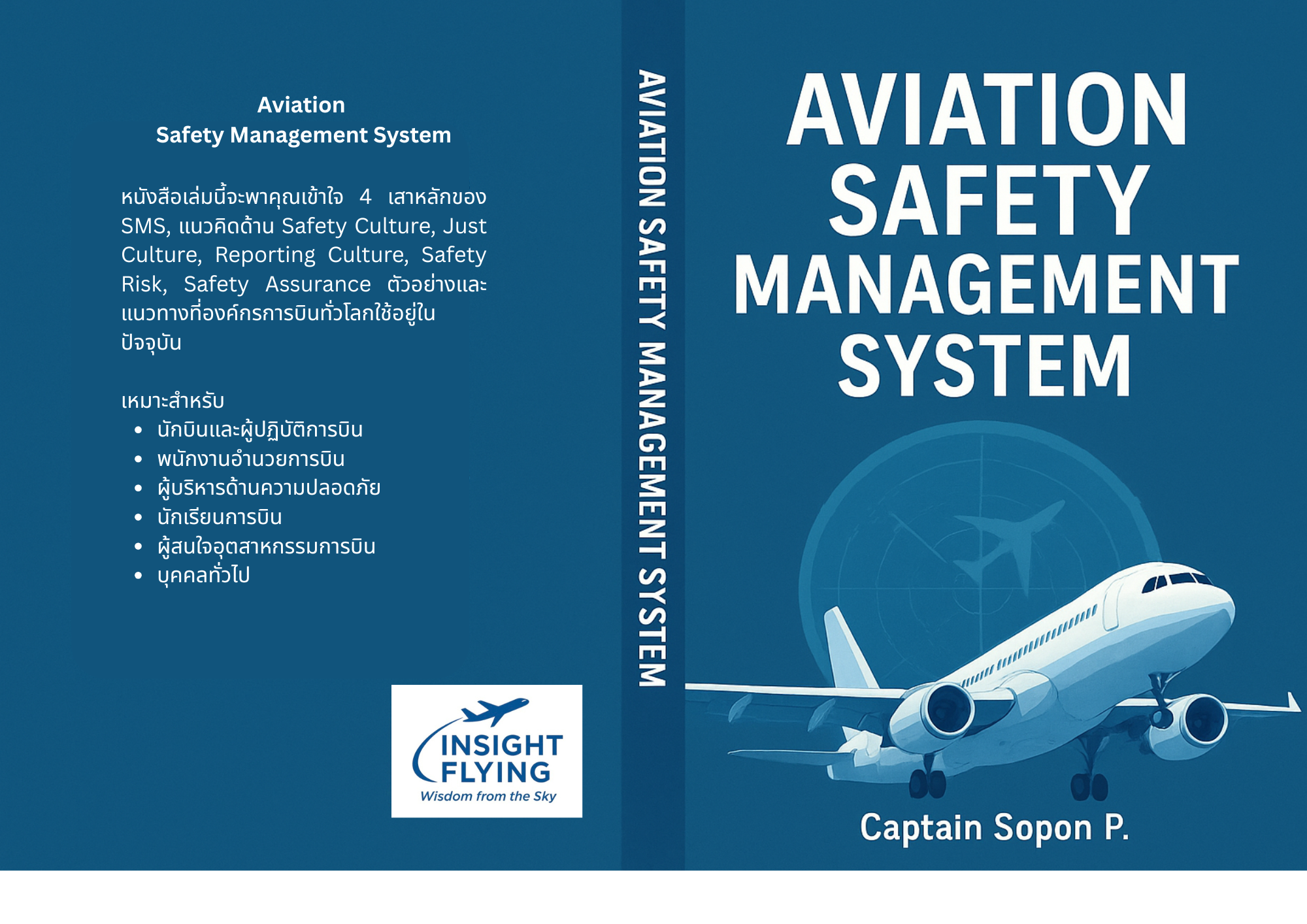
อีบุ๊คใหม่ของ insightflying: Aviation SMS
อยากรู้ ชอบการบิน อยากเป็นนักบิน ทำงานสายการบิน โอกาสในการเพิ่มความรู้มาอยู่ที่นี่แล้ว เรื่องย่อ หนังสือเล่มนี้พาผู้อ่านเข้าสู่โลกของ Safety Management System (SMS) ผ่านสายตาและประสบการณ์ของนักบินที่คลุกคลีอยู่กับความปลอดภัยในการบินมาหลายทศวรรษ แทนที่จะอธิบายด้วยภาษาทางการหรือทฤษฎีที่ซับซ้อน ผู้เขียนเลือกเล่าเรื่องด้วยภาษาที่เข้าถึงง่าย เชื่อมโยงหลักการ SMS กับสถานการณ์จริงที่เกิดขึ้นในการปฏิบัติการบิน ทั้งบนฟ้าและภาคพื้น เพื่อให้ผู้อ่านเข้าใจว่าความปลอดภัยไม่ได้เป็นเพียงหน้าที่ของหน่วยงานใดหน่วยงานหนึ่ง หากแต่เป็นส่วนหนึ่งของวัฒนธรรมที่ทุกคนมีบทบาทร่วมกัน ด้วยตัวอย่างที่เกิดขึ้นจริง วิธีคิดแบบนักบิน การตัดสินใจในสถานการณ์คับขัน และการมองระบบความปลอดภัยแบบองค์รวม หนังสือเล่มนี้จะช่วยให้ผู้อ่านเห็นภาพว่าทำไม SMS ถึงสำคัญ และจะนำไปใช้ในการทำงานหรือชีวิตจริงได้อย่างไร ไม่ว่าคุณจะอยู่ในอุตสาหกรรมการบินหรือไม่ก็ตาม หนังสือเล่มนี้จึงเหมาะทั้งสำหรับนักบิน พนักงานอำนวยการบิน ผู้ปฏิบัติด้านความปลอดภัย บุคลากรในองค์กรการบิน นักศึกษาการบิน ไปจนถึงผู้อ่านทั่วไปที่อยากเข้าใจโลกเบื้องหลังที่ทำให้การบินเป็นหนึ่งในระบบที่ปลอดภัยที่สุดในโลก “ประสบการณ์ที่ซื้อได้ด้วยเงิน” อีบุ๊คใหม่ล่าสุด Safety Management System ใครว่าเข้าใจยากอ่านเล่มนี้แล้วจะหลงรัก Aviation มากขึ้น ระบบจัดการความปลอดภัยทางการบิน (ภาษาไทย) ทดลองอ่านได้ใน MebMarket และ PintoBook ระบบบริหารความปลอดภัยการบิน กัปตันโสภณ พิฆเนศวร www.mebmarket.com เข้าใจ ระบบบริหารความปลอดภัยการบิน…
-

มาทำความรู้จักเมฆแต่ละชนิดกันครับ
1. Cirrus Clouds (เมฆซีรัส) เมฆซีรัสเป็นเมฆบาง ๆ และเป็นเส้นใยที่เกิดสูงในชั้นบรรยากาศ ปกติสูงกว่า 20,000 ฟุต (6,000 เมตร) เมฆชนิดนี้ประกอบด้วยผลึกน้ำแข็งเป็นหลัก และมักบ่งบอกถึงสภาพอากาศดี แต่เมื่อเมฆซีรัสหนาขึ้นและกระจายออก ก็สามารถเป็นสัญญาณว่ากำลังจะมีการเปลี่ยนแปลงของอากาศ เช่น แนวความกดอากาศอุ่นหรือพายุใกล้เข้ามา Cirrus clouds are thin, wispy clouds that form high in the sky, typically above 20,000 feet (6,000 meters). They are composed mostly of ice crystals and usually indicate fair weather. However, when they thicken and spread out,…
-
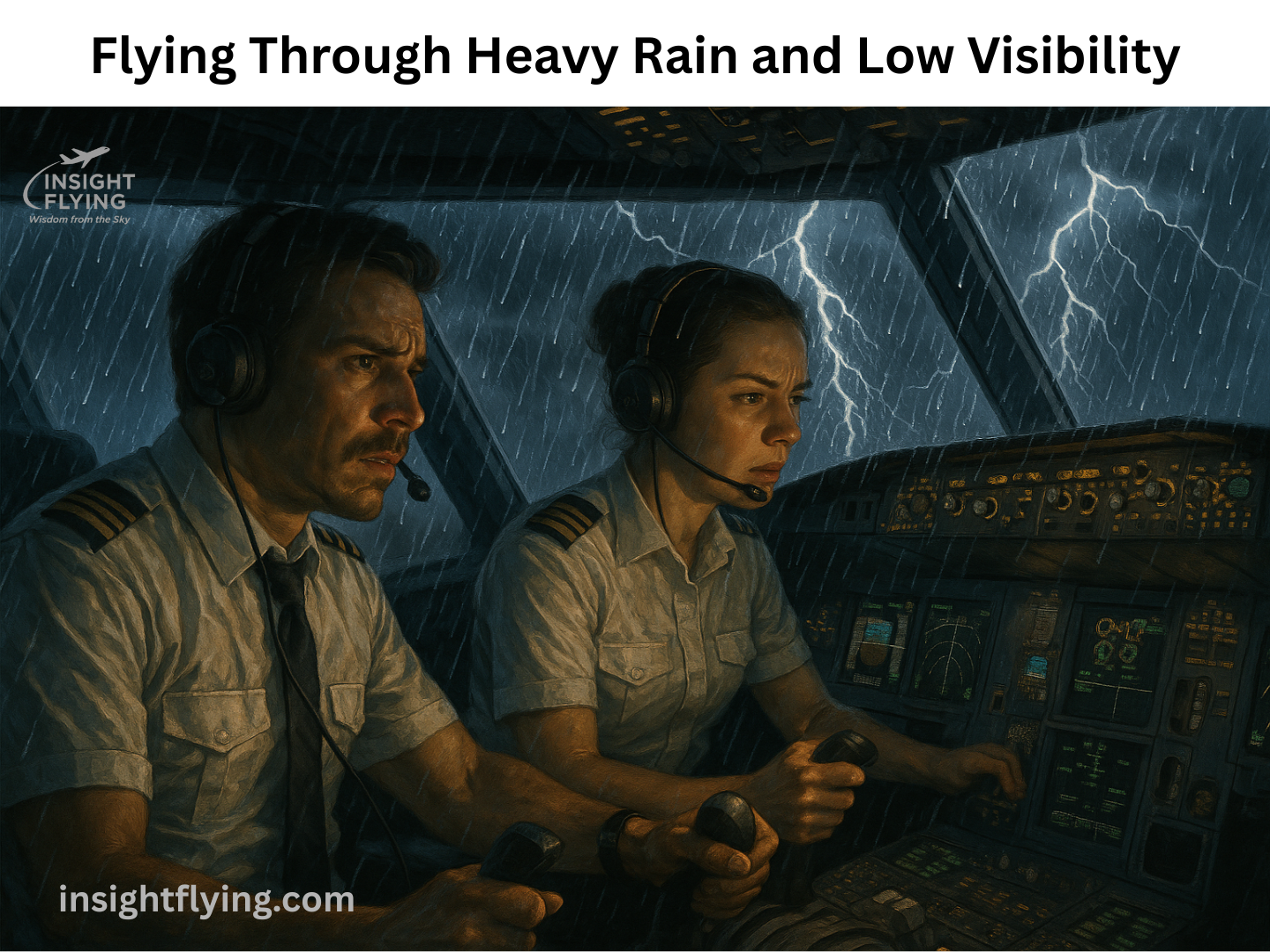
Flying Through Heavy Rain and Low Visibility
✈️ ถ้าฝนตกหนักเครื่องบินลงไม่ได้… นักบินทำอะไรได้บ้าง? #เล่าเรื่องจากห้องนักบิน หลายคนอาจเคยมีประสบการณ์นั่งเครื่องใกล้จะถึงปลายทาง แต่จู่ ๆ กัปตันประกาศว่า“เนื่องจากสภาพอากาศไม่เอื้ออำนวย เครื่องบินยังไม่สามารถทำการร่อนลงได้ ขอให้ผู้โดยสารรอสักครู่ครับ” สำหรับผู้โดยสาร นั่นอาจทำให้รู้สึกกังวลแต่สำหรับนักบิน—นี่คือสถานการณ์ที่เราฝึกซ้อมมาเป็นร้อยเป็นพันครั้ง 🌧️ ฝนตกหนัก เมฆต่ำ ลงไม่ได้ นักบินทำอย่างไร? เวลามีฝนตกหนักแบบ “ผืนใหญ่” บดบังทั้งสนามบิน นักบินจะต้องตัดสินใจอย่างเป็นขั้นตอน โดยมีหลายตัวเลือกที่ปลอดภัย: 1) บินวนรอ (Holding) อยู่บนฟ้า ถ้าพยากรณ์บอกว่าฝนจะซาลงในไม่กี่นาทีนักบินจะนำเครื่องเข้าระบบ Holding Pattern—เหมือนบินวนเป็นลูปใหญ่ ๆ ที่กำลังดี ไม่ชันไม่หักโค้งเราจะลดความเร็วลงเพื่อประหยัดน้ำมัน และคอยฟังข้อมูลอากาศจากหอบังคับการบินทุกนาที ผู้โดยสารบางคนอาจรู้สึกว่าเครื่องบิน “ลอย ๆ” หรือ “ค่อย ๆ เลี้ยว” นั่นคือช่วง holding นั่นเอง 2) ขึ้นไปใหม่แล้วค่อยมาลองครั้งที่สอง (Second Approach) ถ้าผ่าน approach แรกแล้วไม่เห็นรันเวย์ตามเกณฑ์ นักบินจะดันคันเร่งขึ้น “Go-Around”แล้วค่อยกลับเข้ามาใหม่ด้วยเส้นทางที่ปลอดภัยที่สุดนี่ไม่ใช่เหตุฉุกเฉิน แต่เป็นการบินปกติที่ทำทุกวัน—เพียงแต่ผู้โดยสารบางคนไม่คุ้นเคยเท่านั้น(อ่านเรื่อง Go-Around ทำไมถึงสำคัญที่นี่)…
-
สรุปเหตุการณ์เครื่องคาร์โก้ไถลออกนอกรันเวย์ที่ฮ่องกง
สรุปรายงานเบื้องต้นของเหตุการณ์ ข้อสังเกต (Analysis / จุดเสี่ยงที่น่าสนใจ) จากข้อมูลเบื้องต้น เหตุการณ์นี้เปิดจุดอ่อนและประเด็นเสี่ยงหลายด้าน ดังนี้: ข้อคิดเห็น / แนวทางเป็นประโยชน์ (สำหรับผู้สนใจด้านการบิน /ความปลอดภัย) แหล่งข่าว apnews.com A cargo aircraft skids off a Hong Kong runway into the sea, killing 2 airport workers apnews.com Hong Kong runway reopens after cargo plane crash, but it won’t be used regularly for now สรุปเหตุการณ์ (ย่อ) — สถานะปัจจุบัน ไทม์ไลน์เชิงเหตุการณ์ (จากรายงานเบื้องต้น) ข้อสังเกตเชิงเทคนิค…
-

คู่มือปฏิบัติการบิน
🇹🇭 Operation Manuals (คู่มือปฏิบัติการบิน) Operation Manuals คือชุดเอกสารหลักที่ใช้กำกับมาตรฐาน ขั้นตอน และข้อปฏิบัติทั้งหมดของสายการบิน ทั้งด้านความปลอดภัย การปฏิบัติการบิน การบำรุงรักษา และการจัดการ โดยจะต้องเป็นไปตามข้อกำหนดของ ICAO และกฎหมายการบินพลเรือนของประเทศนั้นๆ เช่น CAAT ของประเทศไทย คู่มือเหล่านี้เป็นพื้นฐานสำคัญที่ช่วยให้นักบิน ลูกเรือ พนักงานอำนวยการบิน ผู้บังคับบัญชา และบุคลากรภาคพื้น ทำงานได้อย่างถูกต้อง ปลอดภัย และสอดคล้องตามมาตรฐานสากล ประเภทของ Operation Manuals ที่ใช้กันทั่วไป 🇬🇧 Operation Manuals (Explanation in English) Operation Manuals are an essential set of documents that define all operational standards, procedures, responsibilities, and safety requirements…